
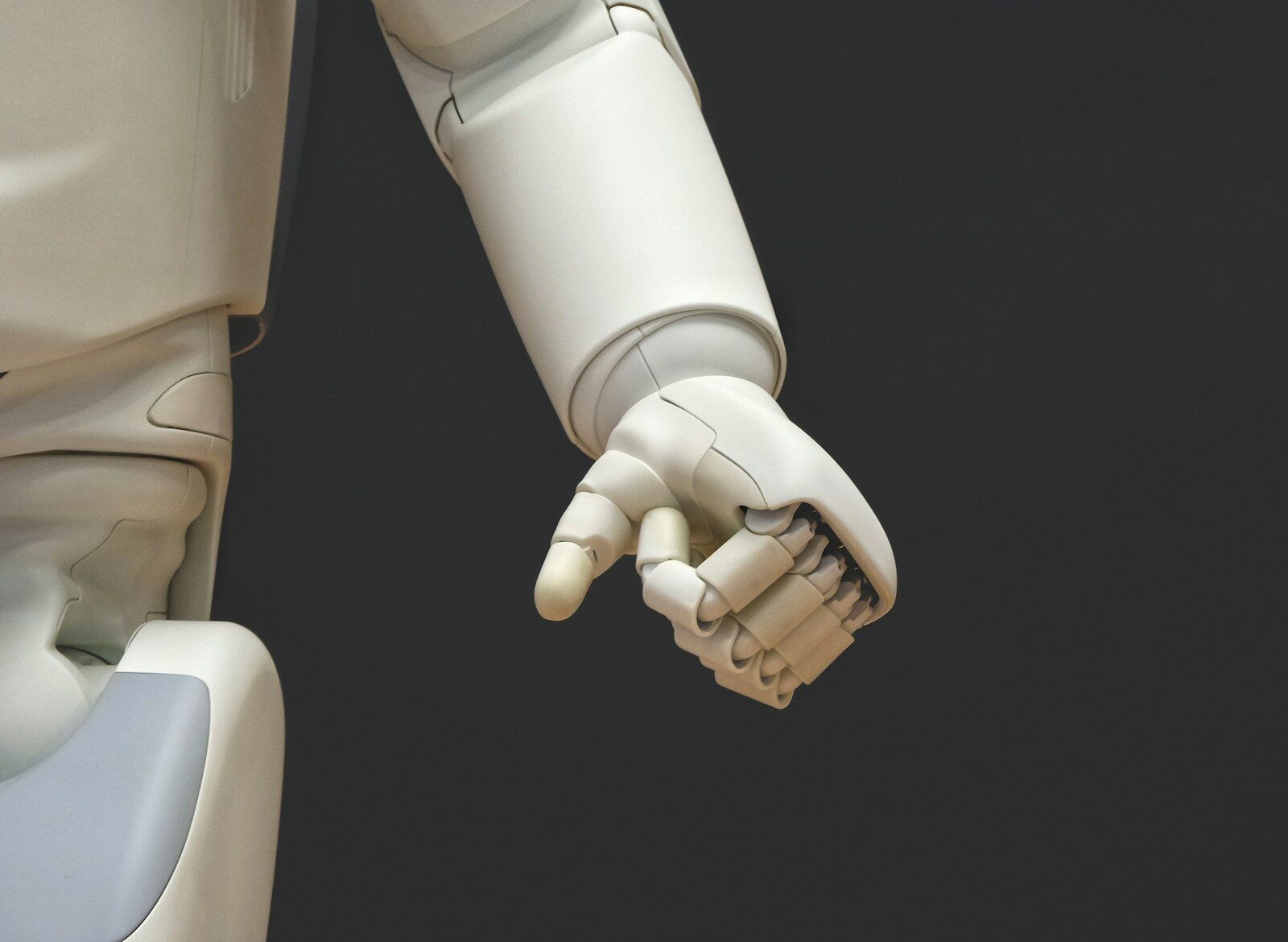
The idea of owning a humanoid robot butler once belonged firmly to science fiction. But today, that future is closer than many realize. Advances in artificial intelligence, robotics and hardware engineering are bringing us to a moment where personal robots—capable of assisting with daily tasks—are becoming commercially viable.
Yet while headlines promise a world of robotic assistants managing our homes, the reality is more nuanced. Buying a humanoid robot today is not like purchasing a smartphone or even a smart home device. It requires understanding what these machines can—and cannot—actually do.
So what does it really mean to own a robot butler in 2026? And are we truly ready for them?
What Is a Humanoid Robot Butler?
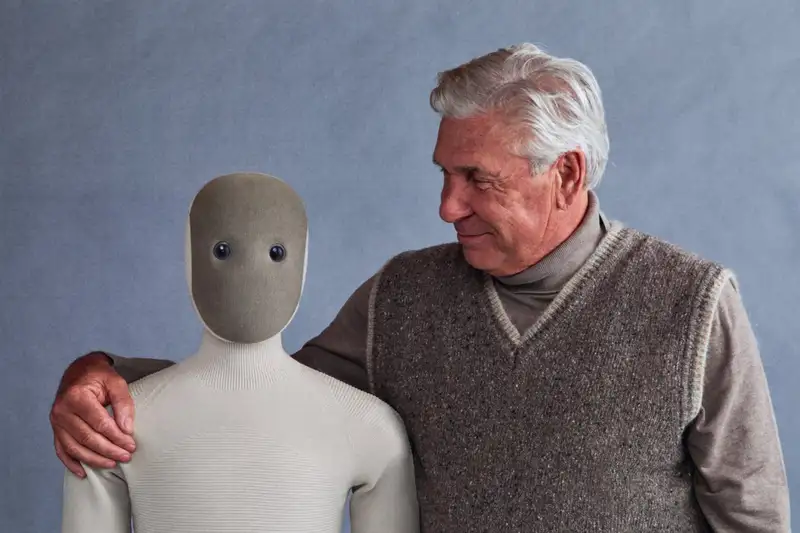
A humanoid robot butler is a machine designed to resemble the human form and perform tasks typically handled by people.
Unlike industrial robots used in factories, these systems are built for environments like homes, offices and hospitality settings.
Typical capabilities include:
- basic object manipulation (carrying items, organizing spaces)
- voice interaction and task execution
- navigation within indoor environments
- integration with smart home systems
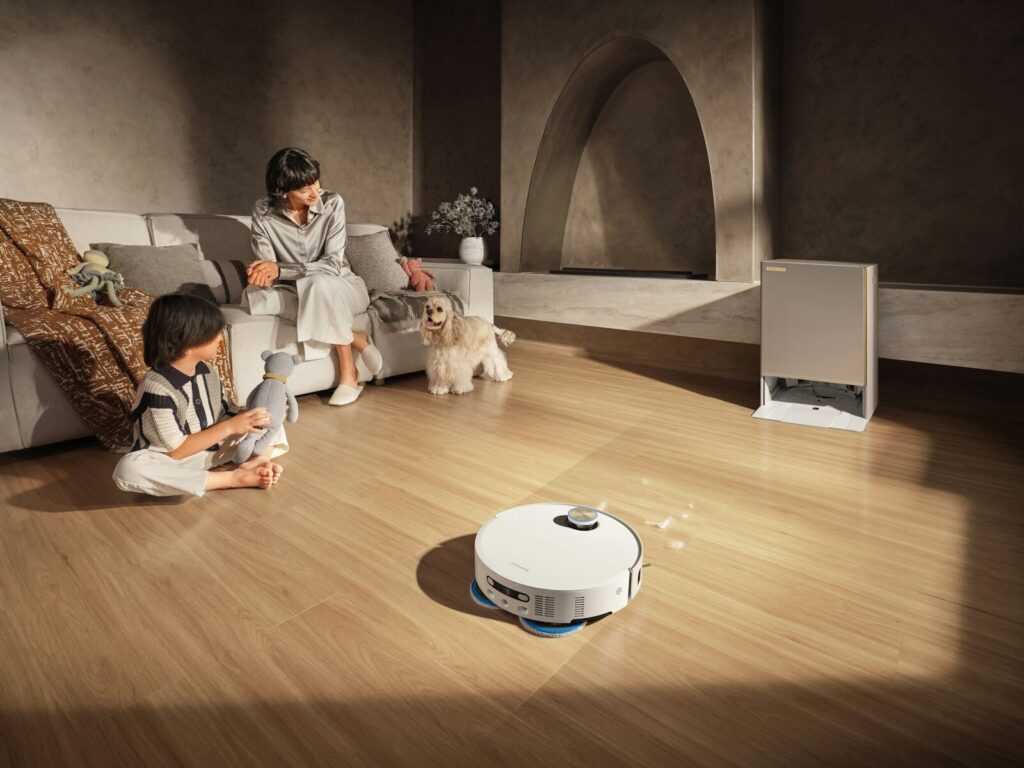
- simple cleaning or delivery tasks
However, most current robots are still limited compared to human workers.
The Technology Behind Modern Robot Butlers
Humanoid robots combine several advanced technologies:
Artificial Intelligence
AI enables robots to understand commands, recognize objects and adapt to tasks.
Computer Vision
Cameras and sensors allow robots to identify objects, people and environments.
Motion and Control Systems
Robotic limbs rely on motors and actuators to replicate human-like movement.
Sensor Fusion
Robots use multiple sensors—such as lidar, cameras and touch sensors—to navigate safely.
Cloud Connectivity
Many robots rely on cloud computing to process data and improve performance over time.
These systems must work together seamlessly, which is one reason humanoid robots remain expensive and complex.
What Robot Butlers Can Actually Do Today
Despite rapid progress, current humanoid robots are best suited for structured tasks.
They can:
- deliver items within a home or office
- assist with simple household chores
- provide reminders and scheduling assistance
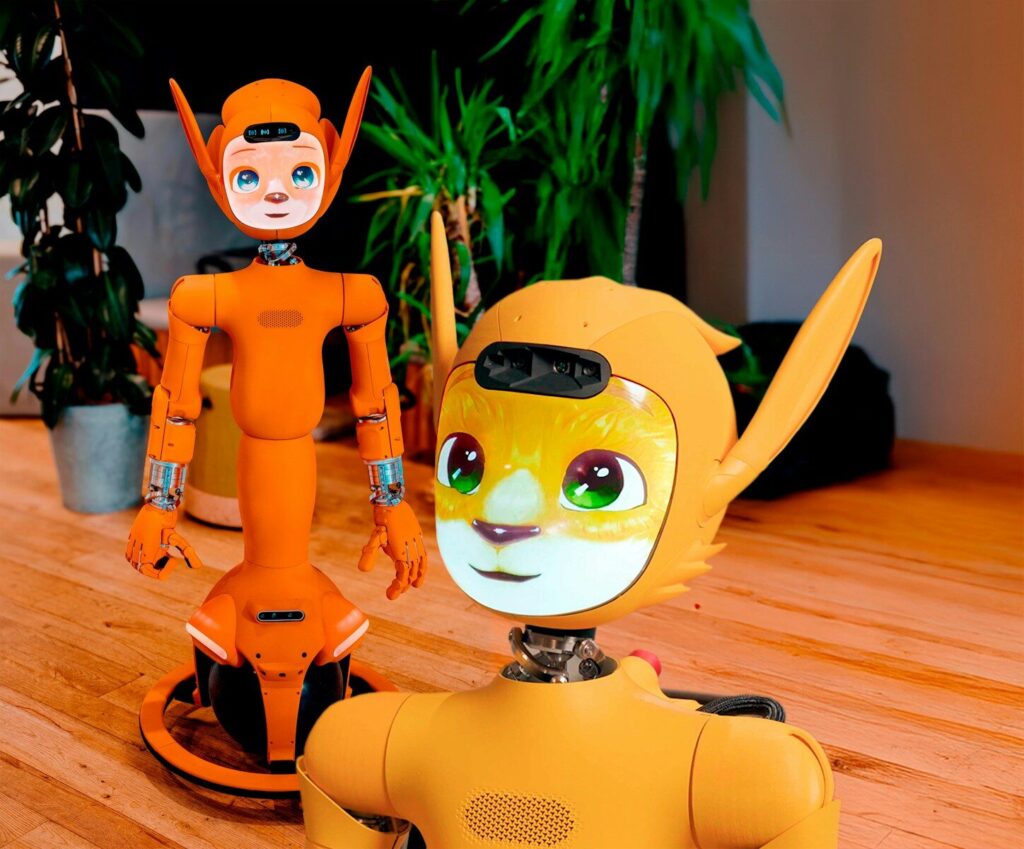
- act as companions or customer service agents
- integrate with smart home devices
Some robots are already used in:
- hotels for guest services
- hospitals for logistics support
- retail environments for customer interaction
But they still struggle with unpredictable tasks that humans perform easily.
What They Can’t Do (Yet)
Humanoid robots are far from fully autonomous household assistants.
Limitations include:
- difficulty handling complex or delicate objects
- limited understanding of context and nuance
- inability to perform multi-step tasks reliably
- high dependence on controlled environments
For example, folding laundry or cooking a full meal remains extremely challenging for current robots.
Human homes are highly variable and cluttered—conditions that are difficult for robots to navigate.
The Cost of Owning a Robot Butler
One of the biggest barriers to adoption is cost.
Humanoid robots can range from:
- tens of thousands of dollars for basic models
- to hundreds of thousands for advanced systems
In addition to the purchase price, owners must consider:
- maintenance and repairs
- software updates
- energy consumption
- potential subscription services for AI features
Over time, costs are expected to decrease as technology improves and production scales.
Who Is Buying Robot Butlers First?
Early adopters of humanoid robots are not typical households.
They include:
- corporations using robots for logistics
- hotels and hospitality businesses
- healthcare providers
- research institutions
- wealthy individuals interested in cutting-edge technology
These environments are often more structured, making it easier for robots to operate effectively.
The Rise of AI-Powered Robotics
Recent breakthroughs in generative AI and large language models are accelerating progress in robotics.
AI systems can now:
- understand natural language instructions
- adapt to new tasks more quickly
- learn from demonstrations
This makes robots more flexible and easier to interact with.
Instead of programming every action, users can simply tell the robot what to do.
This shift is critical for making robot butlers more practical in everyday life.
Ethical and Social Considerations
The introduction of humanoid robots raises important questions.
Job Displacement
Robots could replace certain roles in hospitality, cleaning and caregiving.
Privacy
Robots equipped with cameras and microphones may collect sensitive data inside homes.
Human Interaction
Overreliance on robots could change how people interact with each other.
Safety
Ensuring that robots operate safely around humans is a major engineering challenge.
As adoption increases, these issues will become more prominent.
The Future of Robot Butlers
The next decade is likely to bring significant improvements.
Future robot butlers may include:
- advanced dexterity for handling complex tasks
- improved autonomy in dynamic environments
- better emotional interaction through AI
- lower costs due to mass production
Some experts believe humanoid robots could become as common as smartphones in the long term.
However, widespread adoption will depend on solving key technical and economic challenges.
Should You Buy One Today?
For most people, the answer is: not yet.
While the technology is impressive, current robots are still:
- expensive
- limited in capability
- best suited for specific use cases
For enthusiasts or businesses, early adoption may offer advantages.
But for the average household, waiting for the next generation of robots may be the smarter choice.
Frequently Asked Questions (FAQ)
Q: Are robot butlers available for purchase today?
Yes, but they are expensive and limited in functionality compared to science fiction expectations.
Q: How much does a humanoid robot cost?
Prices range from tens of thousands to hundreds of thousands of dollars depending on capabilities.
Q: Can robot butlers replace human workers?
They can assist with certain tasks but are not yet capable of replacing humans in complex roles.
Q: Are robot butlers safe?
Manufacturers design safety features, but ensuring safe interaction with humans remains a key challenge.
Q: Do robots require internet connectivity?
Many rely on cloud-based AI systems, though some processing can occur locally.
Q: Will robots become affordable?
Costs are expected to decrease over time as technology improves and production scales.
Q: When will robot butlers become common?
Widespread adoption may take several years or even decades, depending on technological progress.
Conclusion
The dream of owning a humanoid robot butler is no longer science fiction—it is an emerging reality. But like many transformative technologies, the present is a transitional phase.
Today’s robots offer a glimpse of what’s possible, but they are still far from replacing human versatility and intelligence.
For now, robot butlers are best viewed not as household replacements, but as early prototypes of a future where machines may one day become an integral part of daily life.
The real question is not whether robot butlers will arrive—but how quickly we are ready to live with them.
Sources New Science

