
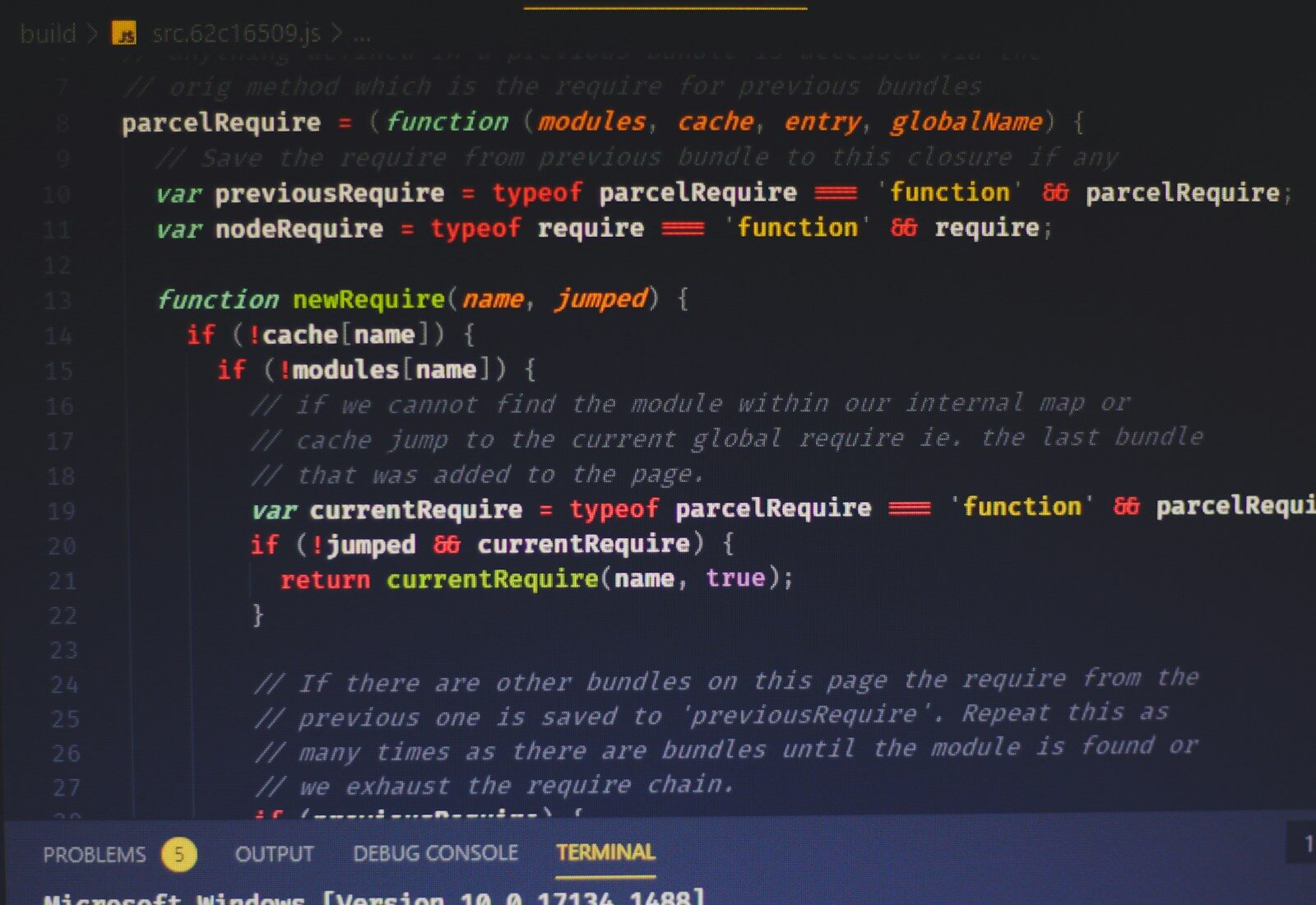
More Code Than Ever… But Less Clarity
I think we messed up…
We built AI to write code faster—and now we’re drowning in it.
What once took days now takes minutes. Entire applications can be generated instantly. But instead of making software simpler, this explosion is creating a new problem:
👉 Too much code, not enough understanding.
Welcome to the era of code overload.
💻 The Boom: AI Turned Everyone Into a Developer
AI tools like copilots and code generators have changed the game:
- Non-programmers can now build apps
- Developers can ship code 10x faster
- Startups can launch with minimal teams
Sounds great, right?
Yes—but there’s a hidden cost.
👉 The barrier to creating code has collapsed.
👉 The barrier to understanding it has not.
📈 What “Code Overload” Really Means
Code overload isn’t just about quantity.
It’s about:
- Massive volumes of auto-generated code
- Poorly understood systems
- Rapidly growing technical complexity
The result:
- More bugs
- Harder maintenance
- Fragile systems
👉 We’re producing code faster than we can manage it.
🧠 The Core Problem: Speed Without Comprehension
AI can generate:
- Functions
- APIs
- Entire architectures
But it doesn’t guarantee:
- Clean logic
- Long-term scalability
- Deep understanding
Developers are now asking:
- “What does this code actually do?”
- “Can we trust it?”
- “Who owns this logic?”
👉 Writing code is easy.
👉 Owning it is hard.
⚠️ The Hidden Risks of AI-Generated Code
1. Maintenance Nightmare
Codebases are growing rapidly—but often without:
- Documentation
- Consistent structure
- Clear intent
👉 Future developers inherit systems they didn’t design—and can’t easily understand.
2. Debugging Gets Harder
When AI writes code:
- Bugs can be subtle
- Logic can be opaque
- Fixes may introduce new issues
👉 You’re debugging something you didn’t fully think through.
3. Security Risks Increase
AI-generated code may:
- Include vulnerabilities
- Use outdated patterns
- Expose sensitive data
👉 Speed can compromise safety.
4. Skill Atrophy in Developers
If developers rely too much on AI:
- Problem-solving skills weaken
- Deep understanding declines
👉 You risk becoming a code operator, not a code thinker.
🔍 What the Original Article Didn’t Fully Explore
Let’s go deeper into the long-term implications:
1. The Rise of “Disposable Code”
AI makes it cheap to create code.
So teams may:
- Write more
- Rewrite often
- Discard quickly
👉 Code becomes temporary—not carefully crafted.
2. Technical Debt Is Growing Exponentially
Technical debt = future problems caused by quick decisions today.
With AI:
- More shortcuts
- Less planning
- Faster accumulation
👉 The bill will come later—and it will be expensive.
3. The Shift From Writing Code → Reviewing Code
Developers are no longer just builders.
They’re becoming:
- Reviewers
- Editors
- Validators
👉 The skill of the future isn’t coding—it’s judging code quality.
4. AI Will Force Better Engineering Standards
Ironically, code overload may lead to:
- Stricter review processes
- Better documentation practices
- Stronger testing systems
👉 Chaos forces discipline.
5. The Emergence of “AI-Native” Development
New workflows are forming:
- Prompt → generate → review → refine
- Continuous AI-assisted iteration
👉 Coding becomes more conversational than manual.
🧩 Who Is Most Affected?
1. Startups
- Faster development
- Higher risk of messy codebases
2. Large Tech Companies
- Massive scaling challenges
- Need for governance and standards
3. Junior Developers
- Faster entry into coding
- Risk of shallow understanding
4. Senior Engineers
- Shift toward architecture and oversight
- Increased responsibility for quality
🛠️ How to Survive the Code Overload Era
✅ 1. Focus on Understanding, Not Just Output
Ask:
- Why does this code exist?
- How does it fit into the system?
✅ 2. Enforce Strong Code Reviews
Human oversight is more important than ever.
✅ 3. Invest in Documentation
If AI writes code, humans must explain it.
✅ 4. Build Testing Into Everything
Automated tests = safety net for AI-generated code.
✅ 5. Train Developers to Think, Not Just Prompt
Prompting is a tool—not a replacement for reasoning.
🔮 The Future: Too Much Code—or Smarter Systems?
Two possible outcomes:
Scenario 1: Chaos
- Bloated systems
- Fragile infrastructure
- Constant debugging
Scenario 2: Evolution
- Better tools to manage code
- AI that explains its own logic
- Smarter development workflows
👉 The difference depends on how we adapt.
❓ Frequently Asked Questions
1. What is “code overload”?
It’s the rapid increase in AI-generated code that exceeds our ability to manage, understand, and maintain it.
2. Is AI making developers obsolete?
No.
👉 It’s changing their role—from writing code to managing and understanding it.
3. Is AI-generated code reliable?
Sometimes—but it requires:
- Review
- Testing
- Validation
4. What is the biggest risk of AI coding tools?
👉 Creating systems no one fully understands.
5. Should beginners use AI to learn coding?
Yes—but carefully.
👉 Use AI as a guide, not a crutch.
6. Will this problem get worse?
Short term: Yes.
Long term: Likely solved with better tools and practices.
🔥 Final Thought
We wanted AI to help us write code faster.
It did.
But now we face a new challenge:
👉 Not how to build software…
But how to control what we’ve built.
Sources The New York Times

