
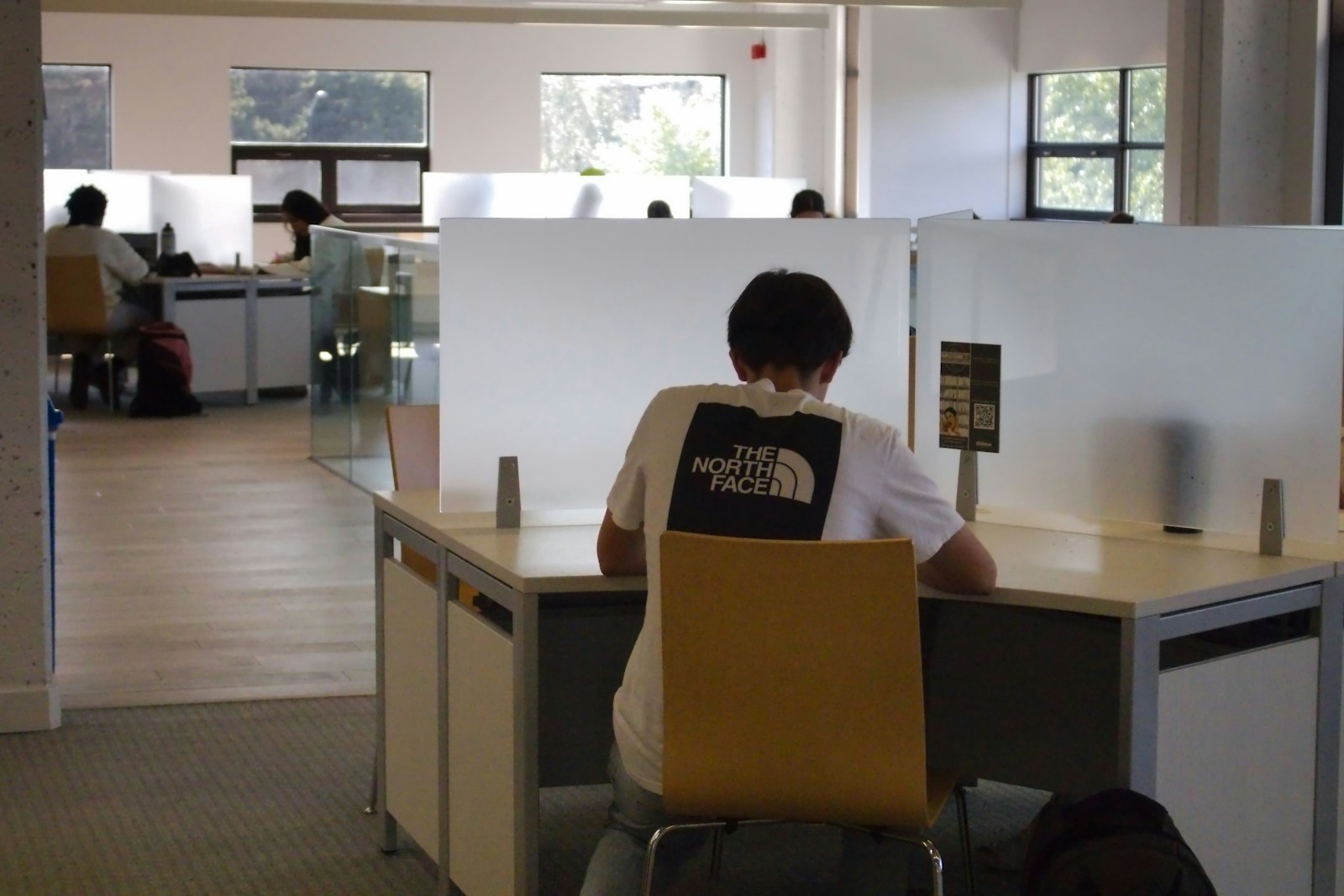
Artificial intelligence is quietly rewriting the career map for young workers. The entry-level office jobs that once launched professional lives—administrative roles, junior analysts, marketing assistants, customer support—are increasingly automated, compressed, or eliminated. Tasks that used to justify entire positions can now be done in seconds by AI systems.
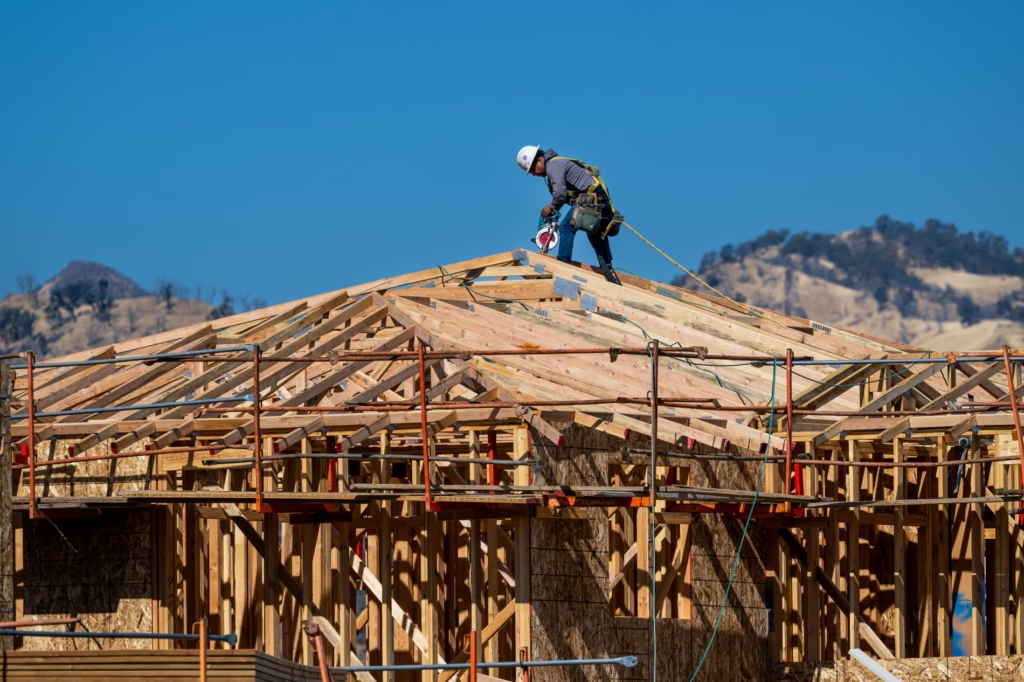
What sounds like bad news for graduates, however, is fueling an unexpected revival elsewhere. Construction and skilled trades are emerging as some of the most resilient, well-paid, and future-proof careers available to young people today.
This shift isn’t a temporary detour. It’s a structural change in how work, value, and opportunity are distributed in an AI-driven economy.
Why AI Is Targeting Young Office Workers First
Entry-Level Work Is AI’s Sweet Spot
AI excels at routine cognitive tasks:
- Scheduling and coordination
- Research and summarization
- Data entry and reporting
- Basic customer interaction
These tasks form the backbone of many junior office roles, making young workers the first to feel disruption.
The Career Ladder Is Breaking at the Bottom
For decades, young professionals climbed predictable ladders—starting small, learning on the job, and advancing over time. AI is erasing that first rung, making it harder to gain experience that leads to higher-level roles.
Why Construction Suddenly Looks Like a Safer Bet
Physical Skill Still Matters
Construction demands:
- On-site decision-making
- Physical dexterity
- Adaptability to changing conditions
- Hands-on problem-solving
AI can assist planning and design, but it cannot easily replace human labor on dynamic job sites.
Demand Is Exploding
Construction demand is rising due to:
- Housing shortages
- Infrastructure renewal
- Renewable energy projects
- Data center expansion
- Climate resilience work
At the same time, many skilled workers are retiring, creating strong wage pressure and job security.
Pay, Stability, and Progression Are Real
Modern construction careers offer:
- Competitive wages without requiring a university degree
- Paid apprenticeships
- Clear advancement paths
- Opportunities to start independent businesses
For debt-burdened graduates, this is a compelling alternative.
What Most Discussions Miss
Construction Is Becoming High-Tech
Today’s construction sites increasingly rely on:
- AI-assisted project planning
- Drones and 3D scanning
- Digital blueprints and BIM systems
- Advanced prefabrication
This is not low-skill labor—it’s technology-enabled craftsmanship.

Office Work Isn’t Disappearing It’s Polarizing
AI is removing many junior roles while increasing demand for:
- Senior decision-makers
- Specialists who manage AI systems
- Workers who blend technical and human skills
The middle ground is shrinking, making trades more attractive.
This Shift Could Improve Economic Balance
Construction and skilled trades provide:
- Strong union protections
- Local jobs that can’t be offshored
- Clear routes to middle-class stability
Redirecting talent into these sectors could help rebalance economies overloaded with office-only career paths.
Challenges Still Ahead
- Cultural bias against trades remains strong
- Training pipelines need expansion
- Safety and health protections must keep improving
Without investment, demand could exceed workforce supply.
What This Means for Education and Policy
AI disruption makes reform unavoidable. Governments and institutions may need to:
- Rethink the college-only success model
- Expand vocational and apprenticeship programs
- Align education with labor market realities
- Elevate skilled trades as respected professions
This is about choice, not lowering ambition.
Frequently Asked Questions
Is AI really reducing office jobs for young people
Yes especially at the entry level where tasks are most automatable
Why can construction resist automation better
Because physical adaptability and on-site judgment are difficult to automate
Do construction jobs pay well
Many skilled trades offer strong wages benefits and long-term stability
Is college still valuable
Yes but it is no longer the only path to a secure career
Will construction demand last
Yes housing infrastructure energy and climate projects ensure long-term demand

Final Thoughts
AI is not destroying opportunity—it’s relocating it.
As entry-level office roles shrink, construction and skilled trades are stepping into the spotlight as careers that offer stability dignity and upward mobility. This isn’t a step backward for young workers. It’s a recalibration toward work that is harder to automate and easier to build a life around.
In the AI economy of the future, the strongest careers may be built not behind screens but with skill expertise and human judgment on the ground.
Sources The Guardian

