
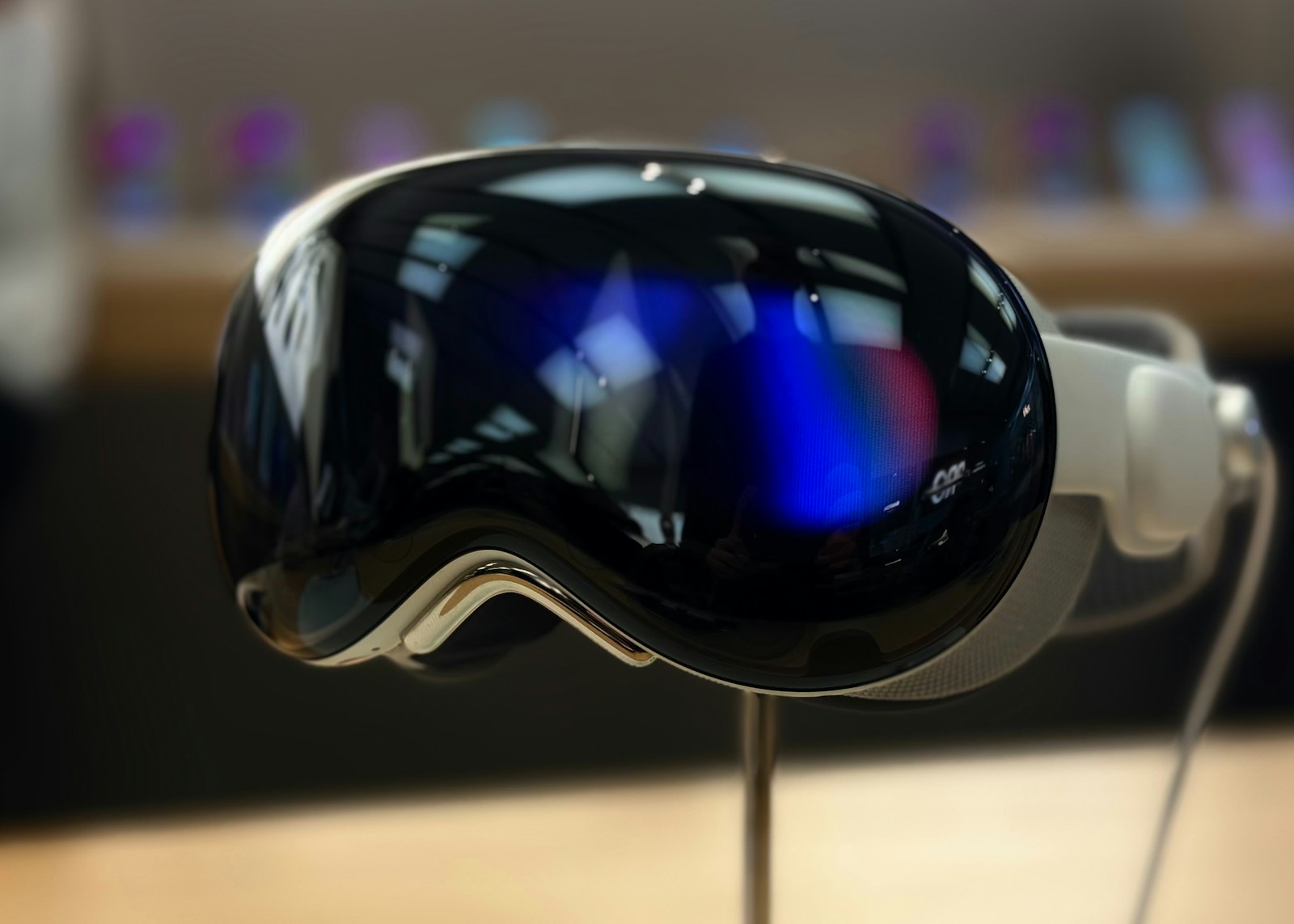
Apple has quietly made one of its boldest strategic pivots in years. The tech giant is shelving its much-anticipated Vision Pro overhaul — a lighter, more affordable headset — to focus instead on developing AI-powered smart glasses designed to compete directly with Meta’s wearable push.
This move signals more than just a product shift. It shows where Apple believes the future of computing lies: not in bulky, expensive headsets but in lightweight, socially acceptable glasses that merge style with artificial intelligence.

Why Apple Is Changing Course
The Vision Pro wowed with its immersive technology but came with big drawbacks: a $3,499 price tag, limited software ecosystem, and bulkiness that made it more of a niche showcase than a mass-market device.
Smart glasses, on the other hand, promise something more wearable and accessible. They’re designed for daily use — like checking notifications, navigating city streets, or interacting with an AI assistant — all without pulling out a phone.
By shifting resources, Apple is betting that the next major platform after the iPhone won’t be a headset, but a stylish pair of glasses powered by AI.
What We Know About Apple’s Smart Glasses
- Two models are in the works:
- A lighter version (N50) that pairs with the iPhone and may not have a display.
- A more advanced version with its own display, targeted for 2028.
- Early features expected: voice commands, object recognition, navigation, and AI-powered contextual assistance.
- Focus on everyday wear: Unlike Vision Pro, these glasses must look good and feel natural — more like Ray-Bans than futuristic goggles.
- Timeline: The first model could be announced as soon as 2026, with consumer release following soon after.
The Challenges Ahead
Apple still faces major hurdles before smart glasses can become mainstream:
- Battery life: Packing advanced features into a lightweight frame without constant charging.
- Design: Glasses are a fashion item — they must fit seamlessly into daily life.
- Privacy: Glasses with cameras and sensors raise questions about surveillance and social acceptance.
- Ecosystem: Without a strong developer and app ecosystem, even the sleekest hardware risks falling flat.
What This Means for the Tech World
This pivot places Apple in direct competition with Meta, which has already gained traction with its Ray-Ban smart glasses. The race is no longer just about who can build the most powerful AR headset — it’s about who can win the battle for everyday, AI-driven eyewear.
If Apple delivers, smart glasses could become the next iPhone moment: a product that transforms how we access information, communicate, and interact with the digital world. But if it missteps, it risks handing Meta an early lead in defining the future of personal tech.
Frequently Asked Questions (FAQs)
Q: Why did Apple pause the Vision Pro revamp?
Because smart glasses have more mass-market potential and fewer technical risks than headsets.
Q: When will Apple’s smart glasses arrive?
Announcements could come in 2026, with the first consumer release expected in 2027.
Q: What will they do?
Expect features like voice AI, real-time navigation, camera input, and possibly translation — all in a lightweight frame.
Q: Will this replace the iPhone?
Not immediately. The first models will likely pair with the iPhone, but future iterations may become more independent.
Q: How do they compare to Meta’s smart glasses?
Meta has the early lead, but Apple is betting on design, iPhone integration, and ecosystem strength to catch up fast.
Final Thoughts
Apple’s shift from headsets to smart glasses is more than a product change — it’s a redefinition of the company’s vision for the future. The next era of computing may not sit on your desk or strap to your face but rest lightly on your nose.
The question now: can Apple turn smart glasses into the next cultural and technological phenomenon, just as it did with the iPhone?

Sources Bloomberg

