

For decades, the four-day workweek was treated as a workplace fantasy—something reserved for pilot programs, startups, or progressive experiments destined to fail at scale. In 2025, that perception began to change. A growing number of companies now argue that artificial intelligence is the missing ingredient that finally makes shorter workweeks sustainable without sacrificing performance.
But the story goes deeper than automation and efficiency. AI isn’t just helping companies do the same work faster—it’s forcing a rethink of how work is designed, measured, and valued.
This article expands on how AI is enabling four-day workweeks, what is often overlooked in the discussion, and what this shift could mean for the future of work.
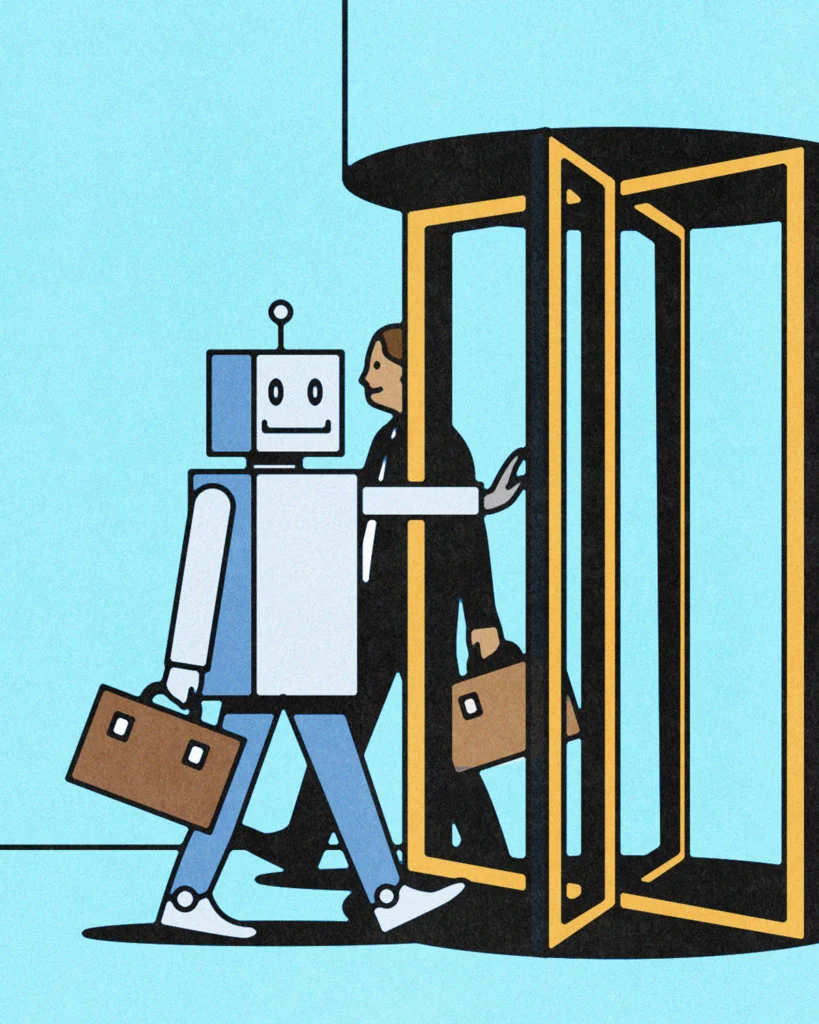
Why the Four-Day Workweek Suddenly Looks Realistic
AI Targets the Least Valuable Work
Many organizations discovered that a significant portion of the traditional workweek is spent on:
- Repetitive administrative tasks
- Internal reporting and documentation
- Scheduling, coordination, and follow-ups
- Low-impact meetings
AI tools now handle or streamline much of this work, freeing employees to focus on higher-value tasks that actually drive results.
Productivity Is Being Redefined
Instead of measuring productivity by hours worked, AI-friendly companies focus on:
- Output quality
- Project completion
- Customer satisfaction
- Business outcomes
This shift makes reduced hours viable—because time spent is no longer the metric that matters most.
How Companies Are Using AI to Cut a Day
Automation of Knowledge Work
AI is widely used to:
- Draft emails, reports, and proposals
- Summarize meetings and documents
- Generate code and troubleshoot bugs
- Support customer service and sales
These tools compress work that once took days into hours.
Smarter Workflows and Fewer Meetings
AI-powered scheduling, task prioritization, and decision support help companies:
- Reduce unnecessary meetings
- Clarify ownership and deadlines
- Identify bottlenecks early
The result is a workweek that feels more intentional—and less exhausting.
Better Forecasting and Planning
Predictive AI helps teams:
- Anticipate demand
- Allocate resources more accurately
- Avoid last-minute crunch periods
This stability makes shorter weeks operationally feasible.

What Often Gets Left Out of the Conversation
The Four-Day Week Only Works With Structural Change
Simply adding AI on top of existing workflows doesn’t reduce hours. Successful companies also:
- Redesign roles
- Cut low-value tasks
- Empower employees to say no to unnecessary work
Without these changes, AI just accelerates burnout.
Not All Jobs Benefit Equally
AI-enabled four-day weeks are most common in:
- Knowledge work
- Tech, marketing, and design
- Professional services
Frontline, service, and care roles face different constraints—raising equity concerns.
Management Must Change Too
AI exposes inefficiencies in leadership. Managers must shift from:
- Monitoring activity
- Enforcing hours
To:
- Coaching outcomes
- Trusting autonomy
This cultural shift is often harder than the technology itself.
Employee Impact Beyond Productivity
Improved Wellbeing
Workers report:
- Lower stress
- Better work-life balance
- Reduced burnout
- Higher job satisfaction
These gains often translate into better retention and engagement.
Talent Attraction and Retention
In competitive labor markets, a four-day week has become a powerful differentiator—especially when supported by AI-driven efficiency rather than unpaid overtime.
The Risks and Trade-Offs
Work Intensification
If poorly implemented, shorter weeks can:
- Increase pressure
- Compress unrealistic workloads
- Reward only top performers
AI must be used to remove work—not just speed it up.
Surveillance Concerns
Some companies use AI to monitor productivity, raising privacy and trust issues that can undermine the benefits of reduced hours.
What This Means for the Future of Work
AI-enabled four-day workweeks signal a broader transition:
- From time-based labor to outcome-based work
- From constant busyness to focused execution
- From presenteeism to trust
If widely adopted, this model could reshape expectations around employment, wellbeing, and economic growth.
Frequently Asked Questions (FAQ)
Does AI automatically enable a four-day workweek?
No. AI helps, but success depends on redesigning workflows and management practices.
Do companies lose productivity with shorter weeks?
Many report stable or improved output due to better focus and efficiency.
Which jobs are most likely to adopt this model?
Knowledge-based roles where AI can automate cognitive tasks.
Is employee pay reduced?
In most successful models, pay remains the same to maintain motivation and fairness.
Will this trend spread?
Yes, but unevenly. Adoption will depend on industry, regulation, and leadership mindset.

Final Thoughts
AI is not magically creating extra time—it’s exposing how much time was wasted all along.
The companies using AI to enable four-day workweeks aren’t just adopting new tools; they’re redefining what productivity means in a digital economy. The real innovation isn’t fewer days—it’s the realization that working smarter, not longer, may finally be possible at scale.
If this model spreads, the legacy of AI in the workplace may not be job loss—but time returned to human lives.
Sources The Washington Post


ข้อมูลชุดนี้ อ่านแล้วเข้าใจง่าย ค่ะ
ดิฉัน ได้อ่านบทความที่เกี่ยวข้องกับ มุมมองที่คล้ายกัน
ลองเข้าไปอ่านได้ที่ Hamish
เผื่อใครสนใจ
มีข้อมูลที่อ่านแล้วเข้าใจได้ทันที
ขอบคุณที่แชร์ เนื้อหาดีๆ นี้
จะคอยดูว่ามีเนื้อหาใหม่ๆ มาเสริมอีกหรือไม่
I constantly spent my half an hour to read this web site’s articles all the time along with a cup of coffee.
Awesome blog! Is your theme custom made or did you download it from somewhere?
A theme like yours with a few simple adjustements would really
make my blog jump out. Please let me know where you got your theme.
Cheers
bookmarked!!,I love your site!