
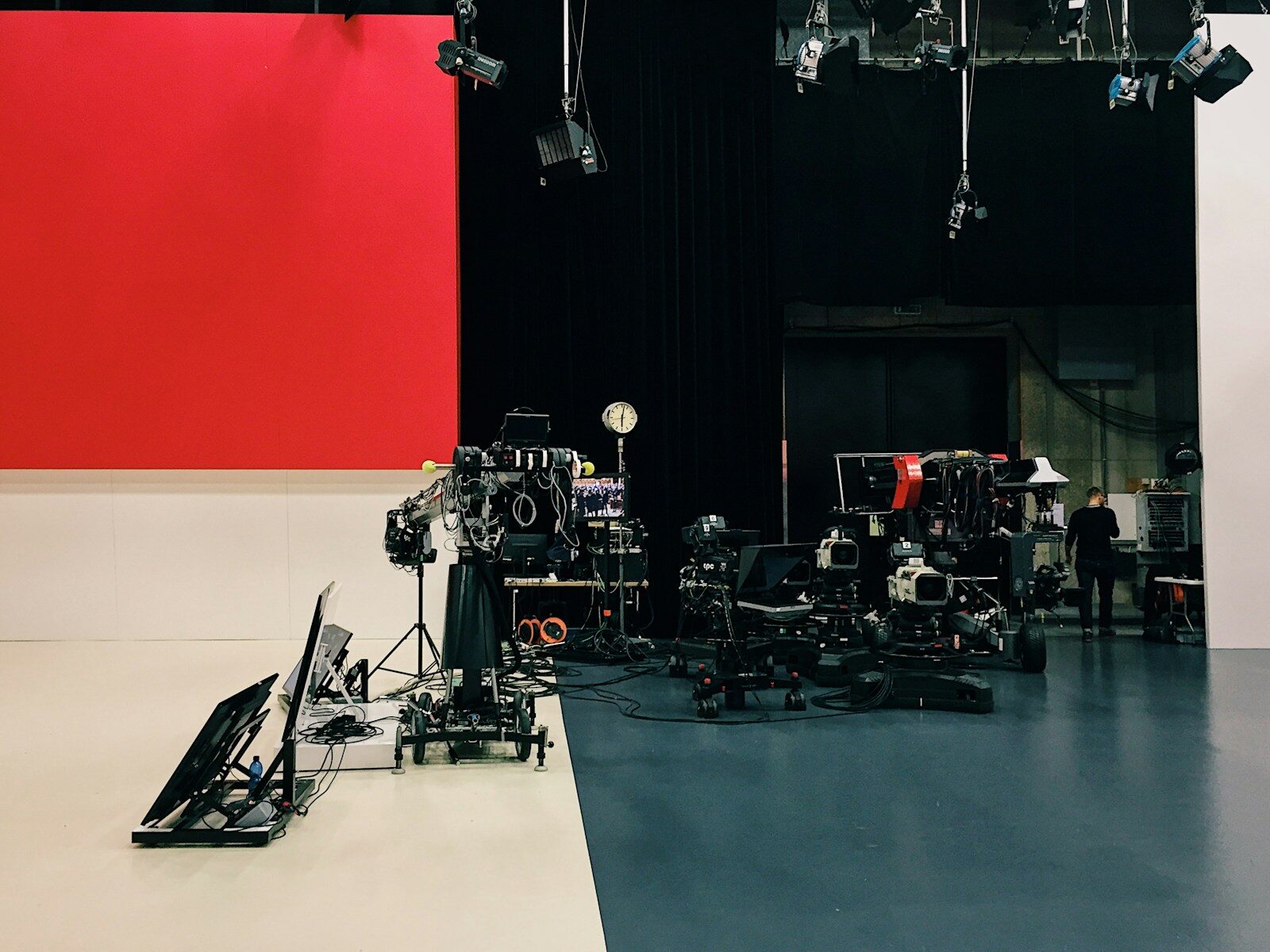
Artificial intelligence is rapidly transforming the global film landscape—but nowhere is the shift more dramatic than in the world’s most prolific movie industry. Known for producing thousands of films annually, this cinematic powerhouse is now undergoing a profound evolution as AI tools reshape how movies are written, produced, edited and distributed.
What was once a labor-intensive, human-driven process is becoming increasingly AI-augmented—and in some cases, AI-led. The result is a new era of filmmaking defined by speed, efficiency and creative disruption.
But as the industry embraces this transformation, it also faces difficult questions about creativity, employment and the very nature of storytelling.
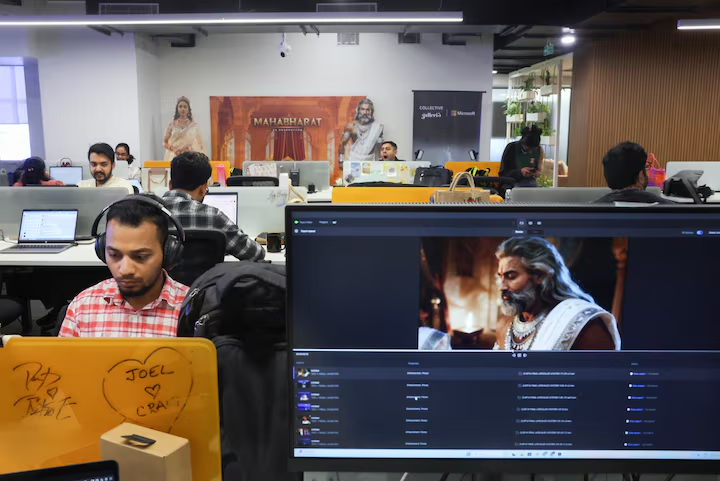
The Scale of Transformation
This film industry—renowned for its massive output and global reach—is uniquely positioned to adopt AI quickly.
Why?
- high demand for content
- tight production timelines
- cost-sensitive budgets
- large and diverse audiences
AI offers solutions to all of these challenges, making it an attractive tool for filmmakers and studios.
How AI Is Changing Filmmaking
1. Scriptwriting and Story Development
AI tools are now being used to:
- generate story ideas
- assist with dialogue writing
- analyze audience preferences
- predict which plots may succeed
While human writers still play a central role, AI is becoming a creative collaborator.
2. Casting and Pre-Production
AI can analyze:
- actor performance data
- audience appeal
- market trends
to help studios make casting decisions.
It can also assist in:
- location scouting (via virtual simulations)
- budget planning
- scheduling optimization
3. Visual Effects and Editing
AI is dramatically reducing the time required for post-production.
Capabilities include:
- automated video editing
- CGI enhancement
- scene generation
- voice synthesis and dubbing
This allows smaller studios to achieve high-quality results at lower cost.
4. Localization and Global Reach
AI-powered translation and dubbing tools enable films to:
- reach international audiences بسرعة
- maintain cultural nuance
- reduce localization costs
This is particularly important for industries with global distribution ambitions.
5. Marketing and Distribution
AI helps studios:
- target audiences more effectively
- generate promotional content
- optimize release strategies
Data-driven insights are becoming central to how films are marketed.
The Economic Impact
AI is reshaping the economics of filmmaking.
Lower Production Costs
Automation reduces the need for large teams.
Faster Turnaround
Films can be produced and released more quickly.
Increased Output
Studios can create more content with fewer resources.
New Revenue Streams
AI-generated content opens new possibilities.
However, these benefits come with trade-offs.
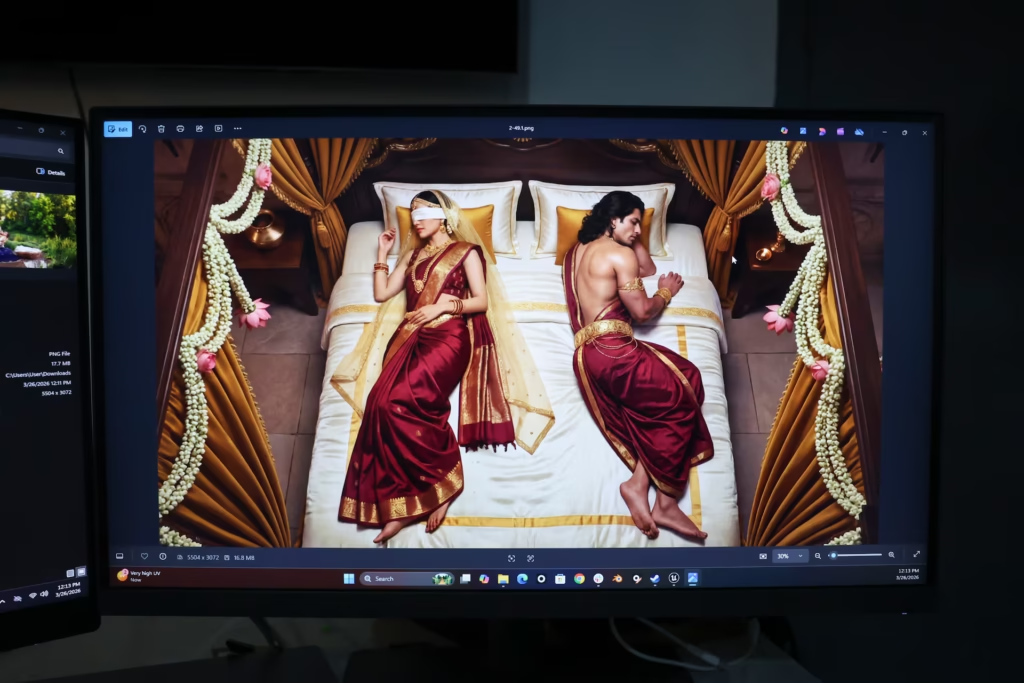
The Human Cost: Jobs and Creativity
As AI takes on more tasks, concerns are growing.
Job Displacement
Roles at risk include:
- editors
- visual effects artists
- dubbing professionals
- script assistants
Changing Creative Roles
Writers and directors may shift from:
- creating content
to - guiding AI-generated ideas
The Authenticity Debate
Critics argue that AI-generated content may:
- lack emotional depth
- feel formulaic
- reduce originality
This raises questions about the future of artistic expression.
What the Original Discussion Often Misses
AI Favors Scale Over Craft
Industries producing large volumes of content benefit most from automation.
Cultural Impact
AI may influence storytelling styles, potentially standardizing narratives.
Power Shift
Studios with access to advanced AI tools gain competitive advantages.
Intellectual Property Issues
Who owns AI-generated content remains a complex legal question.
The Rise of Hybrid Filmmaking
Rather than replacing humans, AI is leading to a hybrid model.
In this model:
- humans provide creativity and direction
- AI handles execution and optimization
This collaboration can:
- enhance productivity
- expand creative possibilities
- reduce barriers to entry for new filmmakers
The Future of the Film Industry
Looking ahead, several trends are likely:
AI-Generated Films
Entire films created with minimal human input.
Personalized Content
Movies tailored to individual viewer preferences.
Virtual Actors
Digital performers replacing or supplementing human actors.
Real-Time Production
Faster creation cycles enabled by automation.
These developments could redefine what cinema looks like.
A Global Ripple Effect
While this transformation is most visible in one major film industry, its impact is global.
Hollywood, European cinema and other regional industries are also experimenting with AI.
The result is a worldwide shift toward:
- faster production
- data-driven storytelling
- AI-assisted creativity
Frequently Asked Questions (FAQ)
Q: How is AI being used in filmmaking?
AI is used for scriptwriting, editing, visual effects, casting and marketing.
Q: Will AI replace filmmakers?
No. AI is more likely to assist rather than fully replace human creators.
Q: Which jobs are most at risk?
Editing, dubbing and some production roles are most vulnerable to automation.
Q: Can AI create entire films?
It is becoming possible, but human involvement is still important for creativity and direction.
Q: Does AI reduce creativity in films?
It can, if overused, but it can also enhance creativity when used as a tool.
Q: Why is this industry adopting AI بسرعة?
Because of high production demands, cost pressures and the need for efficiency.
Q: What is the future of AI in cinema?
A hybrid model where humans and AI collaborate to create content.
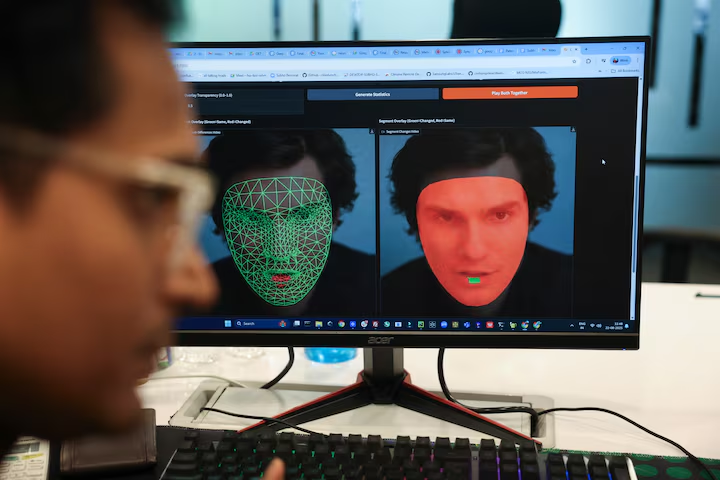
Conclusion
Artificial intelligence is not just changing how films are made—it is redefining what filmmaking means.
For the world’s most prolific film industry, AI offers a powerful opportunity to scale production, reduce costs and reach global audiences. But it also challenges long-held ideas about creativity, authorship and artistic value.
As the industry evolves, the key will be balance—leveraging AI’s capabilities while preserving the human imagination that makes storytelling truly compelling.
Because in the end, technology may shape the process—but it is still human stories that move audiences.
Sources Reuters

