
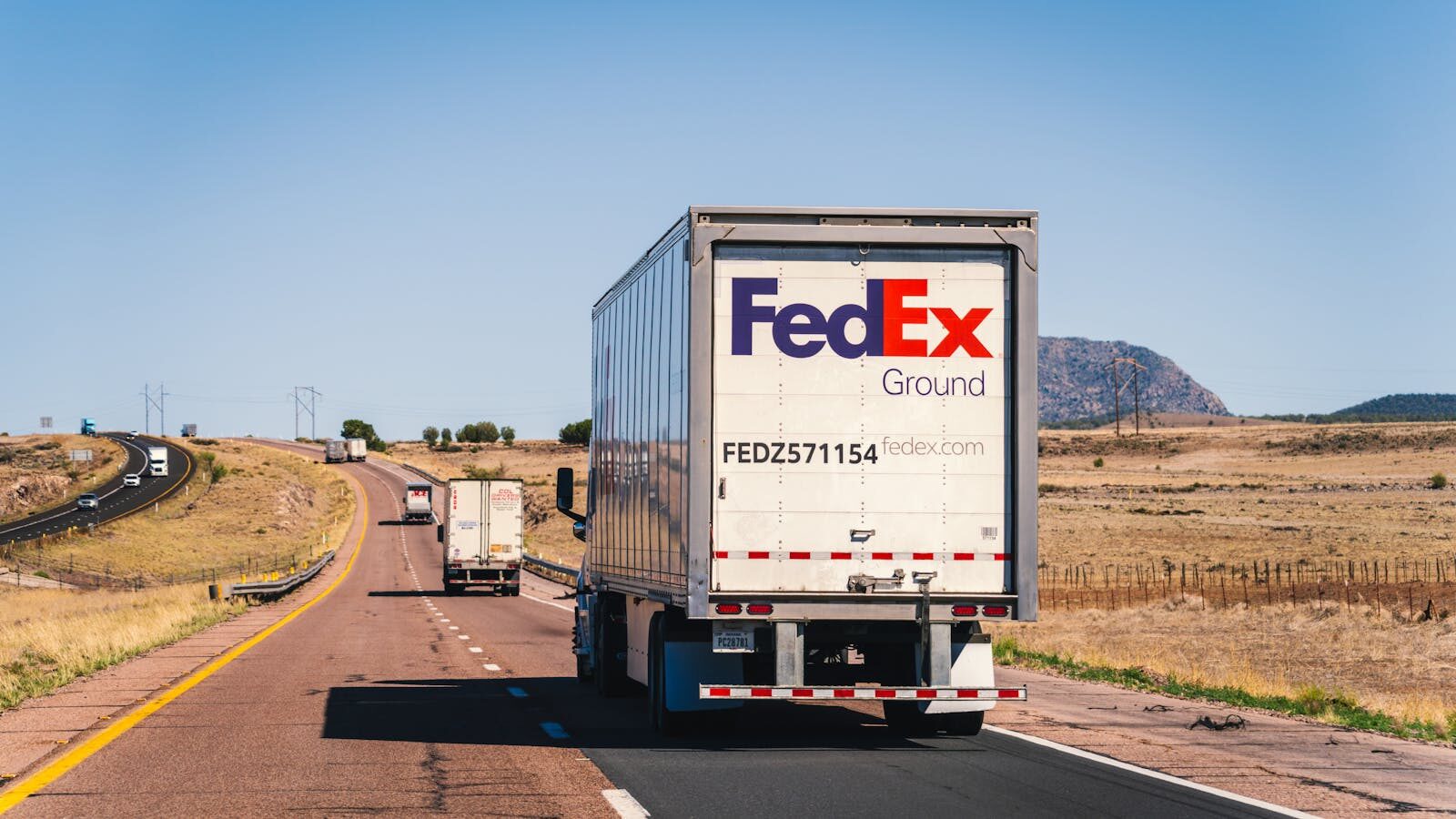
The logistics industry has always been defined by speed, precision and scale. Today, as global supply chains become increasingly complex, companies are turning to artificial intelligence to manage operations more efficiently. FedEx, one of the world’s largest delivery and logistics providers, is exploring a new frontier: deploying a workforce of AI agents designed to assist with decision-making, operations and customer service.
Rather than simply automating individual tasks, the company is planning to use AI agents that behave like digital employees—software systems capable of performing complex workflows, communicating with other systems and assisting human workers in real time.
This shift signals a major transformation in how large enterprises may operate in the coming decade, where humans and AI agents collaborate as part of a hybrid workforce.

What Is an AI Agent Workforce?
AI agents are advanced software systems that can perform tasks autonomously while interacting with digital environments. Unlike traditional automation tools that follow rigid rules, AI agents can:
- analyze data
- make decisions based on context
- communicate with other systems
- adapt to changing conditions
In a corporate environment, AI agents may function similarly to digital colleagues—handling repetitive processes, coordinating information across systems and assisting employees with complex tasks.
For FedEx, these agents could help streamline logistics operations that involve enormous volumes of data and constant decision-making.
Why Logistics Is Ideal for AI Agents
Logistics companies operate some of the most data-intensive systems in the global economy. Every day, organizations like FedEx must manage:
- millions of shipments
- constantly changing delivery routes
- customs and regulatory requirements
- warehouse operations
- customer service requests
Even small inefficiencies can ripple through global supply chains.
AI agents can analyze large datasets in real time to optimize operations, identify delays and suggest alternative solutions.
For example, an AI agent could monitor weather patterns, transportation delays and warehouse capacity simultaneously to recommend faster shipping routes.
Potential Roles for AI Agents at FedEx
FedEx’s AI agent workforce could support operations in multiple areas of the business.
Supply Chain Optimization
AI agents could monitor global shipping networks and recommend route adjustments to avoid delays caused by traffic, weather or infrastructure issues.
These systems could also forecast demand patterns and help allocate resources more efficiently.
Warehouse Management
In large distribution centers, AI agents could coordinate inventory management and equipment usage.
They could analyze shipment volumes and dynamically adjust warehouse workflows to improve efficiency.
Customer Service Support
AI agents may assist customer service representatives by analyzing shipment data, identifying problems and recommending solutions during live conversations with customers.
This would reduce response times and improve customer experience.
Predictive Maintenance
Delivery fleets rely on thousands of vehicles and aircraft.
AI agents could monitor maintenance data and predict potential mechanical issues before they occur, helping prevent costly delays.
Fraud Detection and Risk Monitoring
Logistics companies must also manage risks related to theft, fraud and compliance.
AI systems can analyze patterns in shipping data to detect suspicious activity or regulatory issues.

The Evolution from Automation to Autonomous Agents
Traditional enterprise automation relies on predefined rules. For example, software might automatically update tracking information when a package reaches a distribution center.
AI agents go much further.
They can:
- interpret natural language instructions
- coordinate with other AI systems
- initiate actions independently
- learn from new data over time
This evolution represents a shift from task automation to workflow intelligence.
Instead of replacing individual tasks, AI agents manage entire operational processes.
The Human Role in an AI Workforce
Despite the name “AI workforce,” FedEx’s strategy is not about replacing employees.
Rather, the goal is to augment human capabilities.
Human workers will continue to handle tasks that require:
- strategic planning
- complex problem solving
- customer relationships
- ethical judgment
AI agents will take on repetitive and data-heavy responsibilities, allowing employees to focus on higher-value work.
This hybrid workforce model may become common across many industries.
Challenges of Implementing AI Agents
Deploying an AI agent workforce comes with significant challenges.
Data Integration
FedEx operates thousands of digital systems worldwide. Integrating AI agents with these systems requires sophisticated data architecture.
Reliability and Accuracy
AI decisions must be reliable, especially in logistics where mistakes can disrupt entire supply chains.
Security Risks
Autonomous systems connected to operational networks must be protected from cyberattacks and unauthorized access.
Workforce Adaptation
Employees must learn how to collaborate effectively with AI tools, which may require new training programs.
AI Agents and the Future of Enterprise Operations
FedEx is not alone in exploring AI agents. Many large enterprises are experimenting with similar technologies to manage complex workflows.
Industries likely to adopt AI agent workforces include:
- logistics and transportation
- finance and banking
- healthcare systems
- manufacturing
- retail supply chains
As AI capabilities continue to improve, digital workers may become a standard part of enterprise operations.
Ethical and Governance Considerations
The use of AI agents also raises important governance questions.
Companies must address issues such as:
- transparency in AI decision-making
- accountability when automated systems make mistakes
- data privacy protections
- fair use of AI technologies in workplaces
Organizations will need clear policies and oversight mechanisms to ensure responsible AI deployment.
Frequently Asked Questions (FAQs)
1. What is an AI agent workforce?
An AI agent workforce consists of software systems that perform tasks autonomously, analyze data and assist human employees in complex workflows.
2. Why is FedEx investing in AI agents?
FedEx manages massive logistics networks that generate large volumes of data. AI agents can help optimize operations and improve efficiency.
3. Will AI agents replace human workers?
The goal is typically augmentation rather than replacement. AI systems handle repetitive tasks while humans focus on strategic and interpersonal work.
4. How do AI agents differ from traditional automation?
Traditional automation follows fixed rules, while AI agents can analyze context, make decisions and adapt to new situations.
5. What risks are associated with AI agents?
Potential risks include data security issues, system errors, and overreliance on automated decisions.
6. Which industries will use AI agent workforces?
Logistics, finance, healthcare, manufacturing and retail are among the industries likely to adopt AI agents.
7. When might AI agent workforces become common?
Many experts expect AI agents to become widely used in enterprise operations within the next decade.

Conclusion
FedEx’s exploration of an AI agent workforce represents a major step in the evolution of enterprise technology. By combining artificial intelligence with human expertise, companies can manage complex operations more efficiently and adapt to rapidly changing global markets.
Rather than replacing workers, AI agents are likely to reshape how work is performed—creating collaborative environments where humans and intelligent software operate side by side.
As organizations experiment with digital workforces, the logistics industry may once again serve as a proving ground for technologies that eventually transform businesses across the global economy.
Sources The Wall Street Journal

