

Artificial intelligence has sparked one of the fastest and most concentrated wealth-creation events in modern history. In just a few years, founders, early investors, and executives at AI companies have joined—or rocketed up—the billionaire ranks, sometimes almost overnight. What once took decades in manufacturing, oil, or real estate now happens in a handful of funding rounds and market revaluations.
The rise of these new AI billionaires is not just a business story. It is a signal of how power, capital, and opportunity are being redistributed in the AI era—and of the tensions that redistribution creates.
This article expands on that trend, explores what often goes unexamined, and explains why the AI wealth boom matters far beyond the fortunes of a few individuals.
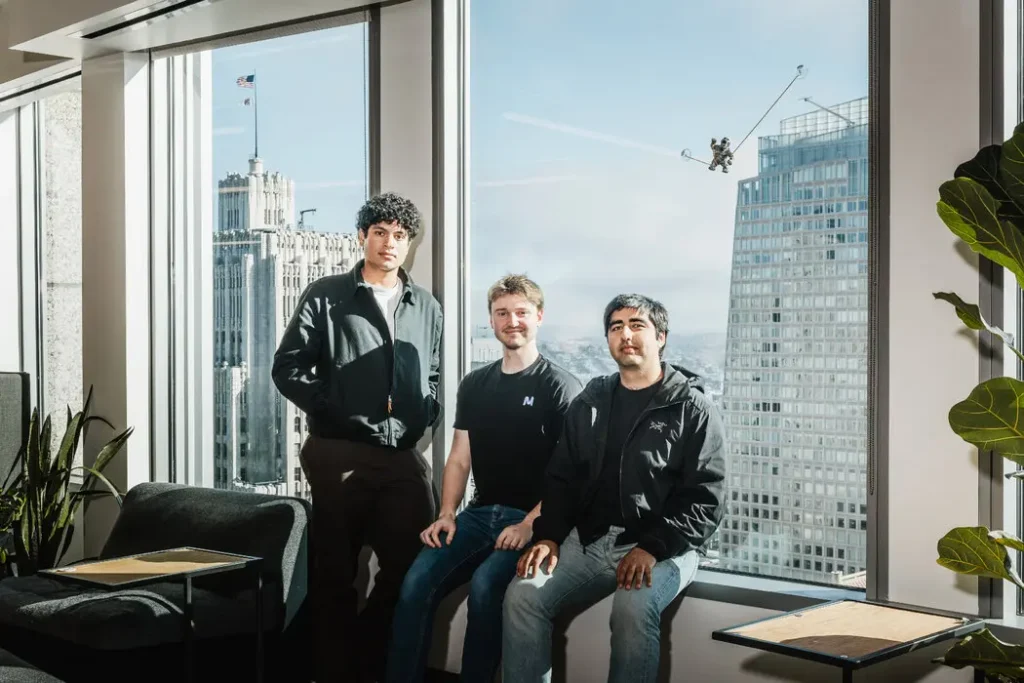
Why AI Is Creating Billionaires Faster Than Any Industry Before
AI Scales at Unprecedented Speed
Unlike traditional industries, AI companies can:
- Scale globally with minimal physical infrastructure
- Serve millions of users instantly through software
- Improve products continuously through data feedback
- Dominate entire markets with a single platform
Once a model or platform becomes essential, value compounds extremely fast.
Capital Concentrates Early
AI development requires:
- Massive upfront investment
- Specialized talent
- Access to rare computing resources
This favors:
- Well-connected founders
- Venture capital firms
- Big Tech partnerships
By the time AI products reach the public, ownership is often already locked in.
Who the New AI Billionaires Are
The AI wealth boom is producing several distinct groups:
- Founders and CEOs of leading AI startups
- Early engineers and researchers with significant equity
- Venture capitalists who backed AI early
- Chip and infrastructure executives powering AI compute
What’s notable is how few people control enormous value created by systems used by millions—or billions.
What Often Gets Left Out of the Celebration
AI Wealth Is Built on Public Foundations
Many breakthroughs underlying modern AI came from:
- Publicly funded university research
- Government-backed computing grants
- Open-source communities
Yet the financial rewards flow overwhelmingly to private entities.
Labor Doesn’t Share Proportionally
AI companies often employ:
- Relatively small teams
- High automation internally
This means extraordinary productivity gains do not translate into broad job creation or wage growth.
Geographic Inequality Deepens
Most AI wealth accumulates in:
- Silicon Valley
- A few global tech hubs
Meanwhile, communities affected by automation or data center expansion often see few benefits.

Why AI Billionaires Are Different From Past Tech Moguls
They Control Infrastructure, Not Just Products
AI leaders increasingly control:
- Foundational models
- Data pipelines
- Cloud and compute access
This gives them influence over entire ecosystems, not just consumer markets.
They Shape Knowledge and Decision-Making
AI systems now influence:
- What information people see
- How work is evaluated
- How decisions are automated
Wealth and epistemic power are merging in ways rarely seen before.
The Political and Social Backlash Taking Shape
As AI billionaires emerge, so does resistance:
- Calls for AI regulation and antitrust action
- Demands for taxation of extreme wealth
- Pushback against corporate control of AI infrastructure
- Labor movements seeking protection from automation
AI wealth is becoming a political issue, not just an economic one.
Is This Just the Beginning?
Many analysts believe the AI wealth gap could widen further because:
- Compute advantages compound
- Model improvements favor incumbents
- Network effects lock in dominance
Without intervention, today’s AI billionaires may be only the first wave.
What Could Balance the AI Wealth Boom
Potential responses include:
- Stronger antitrust enforcement
- Public investment in open and public-interest AI
- Worker retraining and income protections
- Taxation tied to automation-driven gains
- Broader access to computing resources
The goal is not to punish innovation—but to ensure it benefits society more evenly.
Frequently Asked Questions (FAQ)
Why is AI creating billionaires so quickly?
Because AI scales globally at low marginal cost, concentrates ownership early, and benefits from massive capital inflows.
Are AI billionaires different from past tech billionaires?
Yes. They often control foundational infrastructure and systems that shape information, labor, and decision-making.
Is this level of wealth concentration new?
The speed and scale are unprecedented, even compared to earlier tech booms.
Does AI wealth benefit the broader economy?
Indirectly, yes—but the benefits are uneven and far more concentrated than in past industrial expansions.
Can policy reduce inequality without slowing innovation?
Historically, smart regulation and public investment have helped balance innovation with social stability.

Final Thoughts
The rise of new AI billionaires tells a deeper story about how value is created in the modern economy. Artificial intelligence rewards scale, speed, and control—and those rewards flow to a very small group.
The question society now faces isn’t whether AI will make some people extraordinarily rich. It already has. The real question is whether the wealth generated by systems that reshape work, knowledge, and power can be aligned with the public good.
Because in the AI era, who owns the machines increasingly determines who owns the future.
Sources The New York Times

