
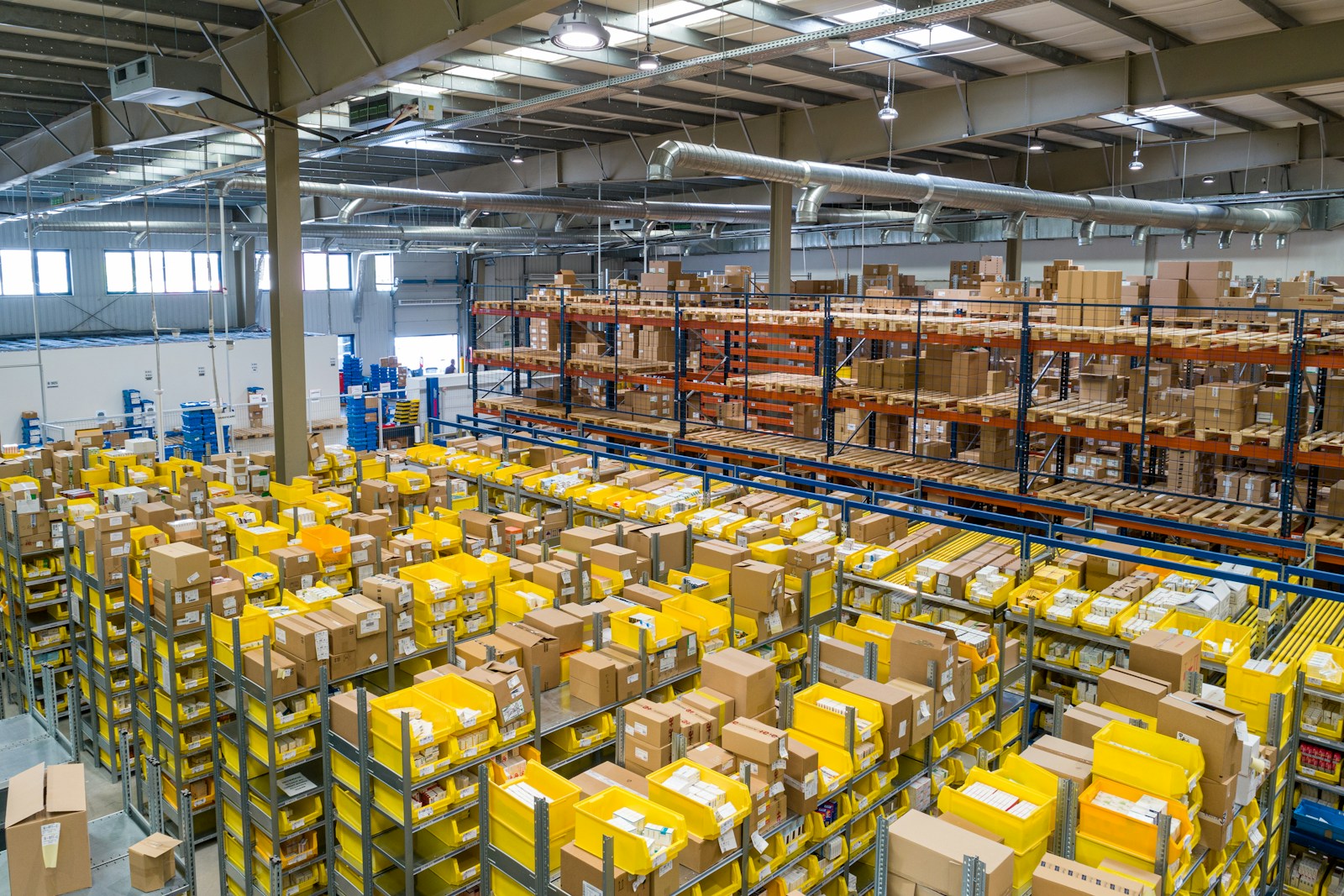
Amazon is no longer just a retailer or logistics company — it’s becoming one of the world’s largest developers and deployers of advanced robotics and AI. With more than a million robots now working alongside human employees and a growing network of high-tech fulfillment centers, Amazon is quietly engineering a massive shift in how work gets done.
This isn’t science fiction — it’s happening now, at scale. And what’s unfolding inside Amazon’s warehouses could soon become the blueprint for logistics, retail, and labor markets worldwide.

🚀 What Amazon Is Building: Not Just Warehouses, But Intelligent Machines
Amazon’s “AI and Robotics Push” is more than a headline — it’s a sweeping transformation:
- Over 1 million robots are now active in Amazon facilities globally.
- Advanced AI is coordinating warehouse tasks, optimizing fulfillment flows, and even training robotic arms to mimic human dexterity.
- New job categories are emerging — from robot maintenance technicians to AI flow managers — while old ones are quietly disappearing.
This push reflects Amazon’s long-term goal: to operate faster, more efficiently, and with fewer human hands on repetitive tasks.
🧠 Why This Matters: A Look Under the Hood of Automation’s Impact
1. Speed, Scale & Efficiency
AI helps Amazon move millions of packages with greater accuracy, fewer delays, and 24/7 uptime. With global competition heating up, speed is a weapon — and automation is Amazon’s edge.
2. Workforce Transformation
Amazon says robots aren’t replacing workers — they’re changing the work. That means:
- More technical and maintenance roles.
- Less repetitive lifting, walking, and sorting.
- Upskilling initiatives for frontline employees.
But not everyone agrees the change is positive — especially those whose roles are being phased out.
3. Cost & Competitive Pressure
Robotics can save Amazon billions in operational costs. But these savings come after massive capital investments, and not every company can follow suit. Amazon’s lead in AI could widen the competitive gap.
4. A Signal to the World
Where Amazon goes, others follow. If automation works at this scale, expect other logistics firms, retailers, and even hospitals or government agencies to accelerate their AI adoption too.
🤖 What the Headlines Missed: The Unspoken Risks and Realities
While Amazon showcases seamless human-robot collaboration, deeper questions linger:
- Job losses may outpace the creation of new technical roles.
- Training pipelines are underdeveloped. Not every warehouse worker can pivot to robotics maintenance.
- Worker monitoring may increase as AI is used not just for tasks, but for performance tracking.
- High capital costs mean only the biggest players can compete — possibly shrinking the diversity of the market.
And then there’s the broader social question: If robots take over the routine, where do displaced workers go?
📍 The Big Picture: Amazon’s Blueprint for Tomorrow
Amazon is designing a logistics ecosystem where:
- Robots handle the physical grunt work.
- AI makes the operational decisions.
- Humans supervise and optimize the system — or build the next one.
This isn’t just about productivity. It’s about redefining who works, how they work, and what work even means in an AI-powered economy.
❓ FAQs: What People Are Asking About Amazon’s AI and Robotics Shift
Q1: Are robots replacing all warehouse jobs?
Not entirely — but jobs involving heavy lifting and simple sorting are declining. New roles are emerging, but they often require technical skills.
Q2: Is Amazon investing in worker training?
Yes. Amazon has launched robotics and mechatronics training programs, but critics argue they aren’t keeping pace with automation’s scale.
Q3: Could this affect other industries?
Absolutely. Logistics is just the beginning. Retail, healthcare, transportation, and even agriculture could see similar automation waves.
Q4: Is Amazon saving money with robots?
Yes — potentially billions annually. But this follows huge investments in AI systems, robotics hardware, and data infrastructure.
Q5: What happens to regions that rely on warehouse jobs?
They could face economic disruption. As automation spreads, workforce development and regional reinvestment become critical.
Q6: Will automation lead to better jobs?
It depends. Some workers will rise into new technical roles. Others may be pushed out without a clear path forward.
Q7: Can this trend be slowed?
Unlikely. The economics of AI are too powerful. But how it’s implemented — ethically, responsibly, inclusively — is still up for discussion.
🧩 Final Thoughts: Beyond Amazon, Toward a Human-Centered Tech Future
Amazon’s robotic revolution is more than just a corporate transformation — it’s a glimpse into the future of work everywhere. As AI and robotics expand across industries, the challenge isn’t just building smarter machines — it’s building a smarter society around them.
The question isn’t “Will robots take our jobs?” It’s:
Are we ready to redesign work, education, and economic systems for a world where AI is a co-worker — not just a tool?
Now is the time to prepare — because the future is already being shipped.

Sources The Wall Street Journal

