

As populations age around the world, millions of families are facing a common challenge: how to support aging parents while balancing careers, distance, and daily responsibilities. Technology—especially artificial intelligence—offers powerful tools that can help older adults live safely and independently while giving families peace of mind.
Yet many families struggle to know which technologies are useful, which are intrusive, and how to introduce them without overwhelming older relatives. Experts in computer science and aging technology argue that the goal should not be replacing human care with machines—but using technology to strengthen independence, safety, and connection.
When used thoughtfully, modern digital tools can help aging parents maintain autonomy, monitor health risks, stay socially connected, and receive assistance when they need it most.

The Growing Challenge of Aging Populations
Globally, populations are aging rapidly. In many countries, people over 65 now represent one of the fastest-growing demographic groups.
This shift creates new challenges for families and healthcare systems:
- Many older adults live alone
- Adult children often live far away
- Caregiving demands are increasing
- Healthcare systems face staff shortages
Technology is emerging as a critical tool for helping seniors remain independent longer while reducing pressure on caregivers.
Why Technology Can Be Helpful for Seniors
Modern technology can address several key needs that arise with aging.
Safety Monitoring
Smart devices can detect falls, unusual inactivity, or emergencies.
Health Tracking
Wearables and health apps can monitor heart rate, medication schedules, and sleep patterns.
Communication
Video calls, messaging apps, and voice assistants help older adults stay connected with family.
Daily Assistance
AI-powered assistants can help manage reminders, appointments, and tasks.
When implemented carefully, these tools allow seniors to maintain independence rather than relying entirely on constant supervision.
Smart Home Technologies for Aging in Place
One of the most promising areas of innovation is the smart home for aging in place—technology designed to help older adults remain in their homes safely.
Common smart home solutions include:
Voice Assistants
Devices like smart speakers allow seniors to control lights, set reminders, ask questions, or call family members using voice commands.
Smart Lighting
Motion-activated lighting can reduce the risk of falls by ensuring rooms and hallways are illuminated automatically.
Smart Doorbells and Cameras
Video doorbells help seniors identify visitors without opening the door, improving safety.
Automated Thermostats
These devices maintain comfortable temperatures without requiring manual adjustments.
For seniors with limited mobility, voice-controlled systems can dramatically improve daily convenience.

AI and Health Monitoring
Artificial intelligence is beginning to play a larger role in health monitoring technologies designed for older adults.
Examples include:
- Wearable devices that track heart rate and detect irregular rhythms
- AI systems that analyze sleep patterns and identify potential health issues
- Medication management apps that provide reminders and track adherence
- Smart sensors that detect falls or unusual activity patterns
Some advanced systems use AI to analyze behavioral patterns and detect early warning signs of cognitive decline or medical problems.
Fall Detection and Emergency Response
Falls are one of the leading causes of injury among older adults.
New technologies can help detect and respond to falls more quickly.
Examples include:
- Smart watches with fall detection alerts
- Floor sensors that detect sudden impacts
- AI-powered cameras that monitor movement patterns
- Emergency response buttons worn as pendants
When a fall is detected, these systems can automatically alert family members or emergency services.
Combating Loneliness Through Technology
Loneliness and social isolation are major concerns for many seniors.
Technology can help maintain social connections by enabling:
- video calls with family members
- online hobby groups or classes
- virtual communities for seniors
- social networking platforms designed for older adults
Some AI systems even provide conversational companionship, though experts emphasize that technology should supplement—not replace—human relationships.
Making Technology Senior-Friendly
One of the biggest barriers to adoption is usability.
Many older adults find modern technology confusing or overwhelming. To address this challenge, developers are designing systems specifically for seniors with features such as:
- simplified interfaces
- large text and icons
- voice-based interactions
- automated updates and maintenance
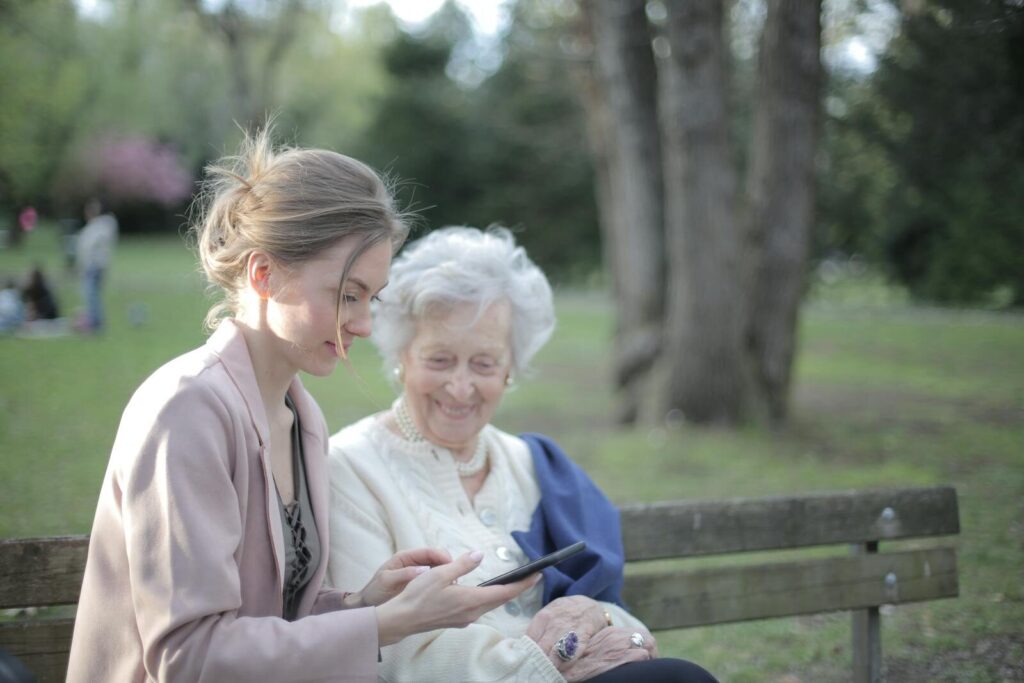
Families can also help by setting up devices and providing basic training.
Respecting Privacy and Independence
While monitoring technologies can improve safety, they also raise privacy concerns.
Older adults may worry about being constantly watched or losing control over their personal lives.
Experts recommend:
- discussing technology choices openly with parents
- prioritizing tools that preserve independence
- choosing systems that collect minimal data
- ensuring seniors can control settings and permissions
Technology should empower older adults rather than making them feel surveilled.
The Role of AI in Future Elder Care
Artificial intelligence will likely play an increasing role in elder care over the coming decades.
Potential future innovations include:
- AI-powered health monitoring systems predicting medical issues
- robotic assistants for household tasks
- personalized digital caregivers that monitor daily routines
- advanced telemedicine systems enabling remote doctor visits
- smart home environments adapting to individual health needs
These technologies could help aging populations maintain independence while reducing pressure on healthcare systems.
Frequently Asked Questions (FAQs)
1. What is the best technology for helping aging parents?
The best solutions depend on individual needs, but common tools include smart speakers, fall detection devices, medication reminder apps, and video communication platforms.
2. Is AI safe to use for monitoring elderly family members?
When designed responsibly, AI health monitoring tools can improve safety. However, privacy considerations and human oversight remain important.
3. How can families introduce technology to older parents?
Start with simple devices, provide hands-on guidance, and focus on tools that address specific needs such as communication or safety.
4. Do seniors actually use smart devices successfully?
Yes, especially when devices are designed with accessible interfaces and voice controls.
5. Can technology replace human caregivers?
No. Technology should support caregivers by improving safety and independence, not replace human relationships and support.
6. Are there privacy risks with smart monitoring systems?
Yes. Some systems collect personal data, so families should review privacy policies and choose devices with strong security protections.
7. What future technologies may help elderly care?
AI-driven health monitoring, robotic assistants, advanced telemedicine platforms, and smart homes designed for aging populations are likely to become more common.
Conclusion
Supporting aging parents is one of the most meaningful—and challenging—responsibilities many families face. Technology, when used thoughtfully, can make this process easier by improving safety, independence and communication.
Artificial intelligence and smart home technologies are not a replacement for family care or human connection. Instead, they act as tools that empower seniors to maintain dignity and autonomy while giving families peace of mind.
As innovation continues, the most successful elder care solutions will combine technology, empathy, and human support—ensuring that aging parents can live safely, comfortably and connected to the people who matter most.
Sources The Washington Post

