
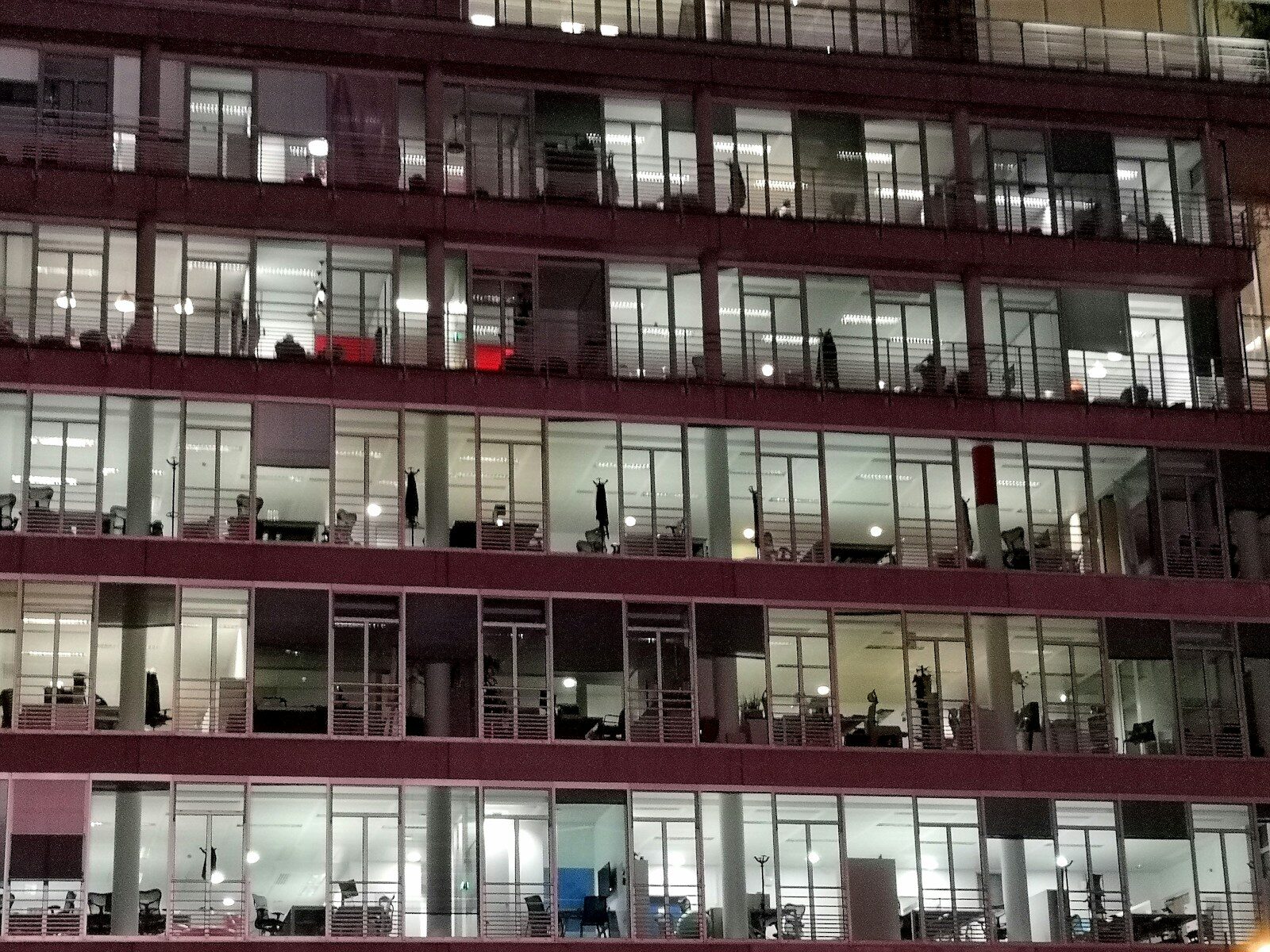
The modern workplace has always measured performance. But in the era of remote work and artificial intelligence, monitoring employees has become more granular — and more controversial — than ever before.
So-called “bossware” — software designed to track employee activity — is rapidly spreading across industries. Once limited to time clocks and badge swipes, workplace surveillance now includes keystroke logging, screenshot capture, webcam monitoring, productivity scoring and AI-driven behavioral analysis.
Supporters call it accountability. Critics call it digital micromanagement.
As companies navigate hybrid work models and rising productivity pressures, bossware is quietly reshaping the relationship between employers and employees.
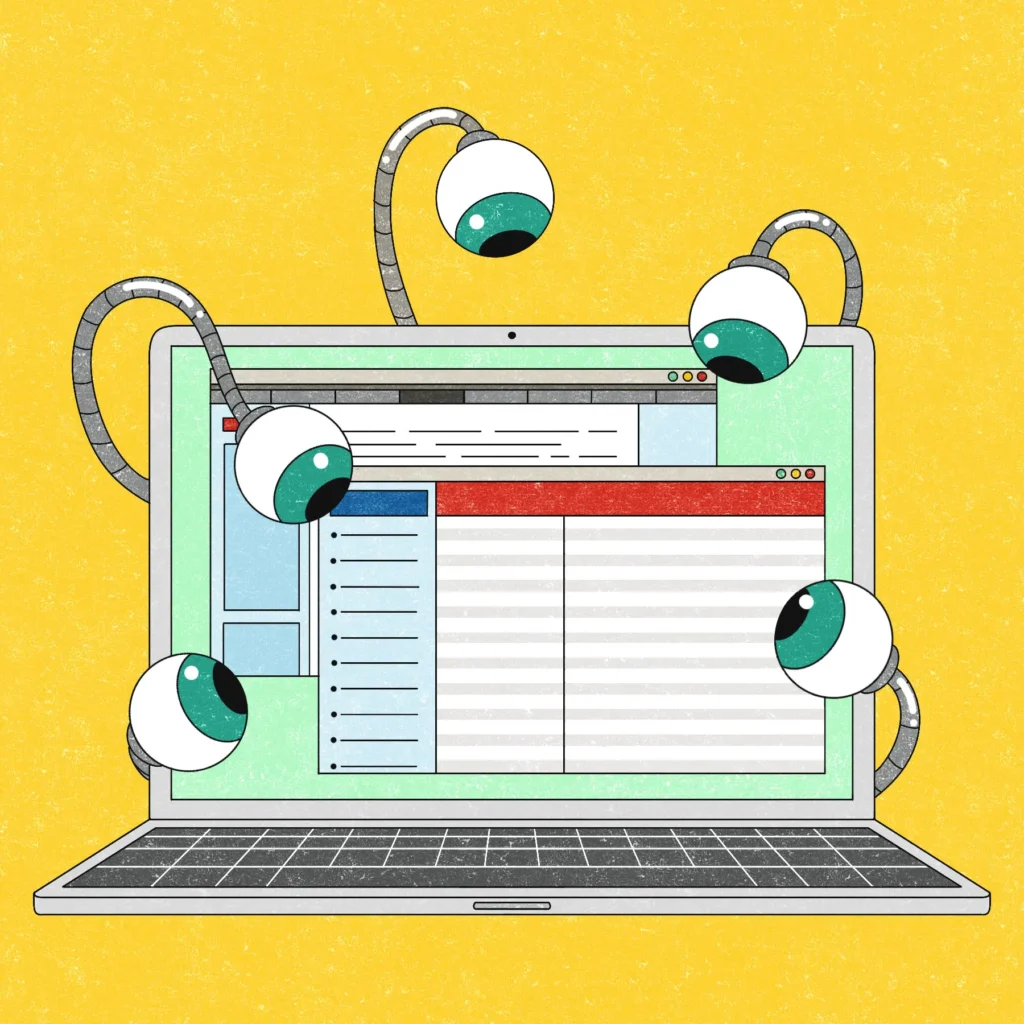
What Is Bossware?
Bossware refers to digital tools that monitor and analyze employee activity. These tools can track:
- Keyboard and mouse activity
- Time spent on applications
- Website visits
- Email metadata
- File access
- Location data
- Screen captures at intervals
- AI-based productivity scores
More advanced systems integrate artificial intelligence to evaluate work patterns, flag “idle” time and even predict burnout or disengagement.
The goal, according to vendors, is improved efficiency and data-driven management.
Why Bossware Is Expanding Now
1. Remote and Hybrid Work
The pandemic accelerated remote work adoption. Without physical oversight, some employers turned to monitoring tools to maintain visibility into performance.
2. Productivity Pressures
Economic uncertainty and cost-cutting measures have pushed companies to scrutinize output more closely.
3. AI Integration
Machine learning enables automated analysis of massive amounts of employee data, making surveillance scalable.
4. Global Teams
Distributed teams across time zones increase management complexity, driving demand for monitoring systems.
Bossware offers quantifiable metrics in environments where managers cannot physically observe workflows.
The Employer Perspective
Companies argue that monitoring software provides:
- Objective performance metrics
- Improved accountability
- Detection of data security risks
- Insight into workflow bottlenecks
- Protection against insider threats
In highly regulated industries — such as finance or healthcare — monitoring may also serve compliance requirements.
Some organizations claim that transparent monitoring fosters fairness by standardizing evaluation criteria.
The Employee Perspective
Workers often see bossware differently.
Concerns include:
- Invasion of privacy
- Erosion of trust
- Increased stress and anxiety
- Reduction of autonomy
- Fear of constant judgment
Employees may alter behavior to “look productive” rather than focus on meaningful output.
For example, workers might avoid short breaks to prevent being marked idle, potentially harming well-being.
AI and Behavioral Scoring
Modern surveillance tools increasingly rely on AI to:
- Analyze communication tone
- Identify productivity trends
- Predict turnover risk
- Flag unusual activity patterns
These systems convert behavioral data into scores or dashboards.
But metrics do not always capture nuance. Creative work, strategic thinking or offline brainstorming may not register as measurable activity.
There is risk of reducing complex human labor to simplistic indicators.

Legal and Regulatory Landscape
Workplace surveillance laws vary by country and region.
In some jurisdictions:
- Employers must disclose monitoring practices.
- Consent is required.
- Certain forms of tracking are restricted.
In others, regulations are minimal.
Privacy advocates argue that stronger protections are needed, especially as AI analysis becomes more intrusive.
Emerging legislation in some regions seeks to regulate automated decision-making in employment.
The Trust Paradox
Research suggests that high-trust environments correlate with better productivity and innovation.
Excessive monitoring may undermine morale and:
- Reduce engagement
- Increase turnover
- Stifle creativity
- Damage organizational culture
Yet some employees report feeling reassured when monitoring policies are transparent and uniformly applied.
The impact depends heavily on implementation and communication.
Security vs Surveillance
Employers often justify monitoring on cybersecurity grounds.
Tracking can:
- Detect data exfiltration
- Identify phishing vulnerabilities
- Monitor unauthorized access
However, security monitoring can easily expand into productivity tracking.
The boundary between protection and surveillance is often blurred.
The Future of Workplace Monitoring
As AI evolves, bossware may become more predictive and less visible.
Future capabilities could include:
- Real-time emotional analysis through voice patterns
- Automated meeting contribution scoring
- Behavioral anomaly detection
- Predictive performance modeling
Without safeguards, monitoring may shift from reactive oversight to proactive behavioral shaping.
Balancing Accountability and Autonomy
Some experts recommend best practices:
- Clear disclosure policies
- Limited data collection
- Employee access to their own metrics
- Separation of security monitoring from performance evaluation
- Human review before automated decisions
Companies must balance efficiency goals with respect for human dignity.
Frequently Asked Questions (FAQ)
Q: Is bossware legal?
Legality varies by jurisdiction. Many regions require disclosure, but comprehensive regulations are still evolving.
Q: Can employers monitor remote workers?
In many cases, yes — especially on company-owned devices — but disclosure requirements may apply.
Q: Does bossware improve productivity?
Evidence is mixed. While it may increase measurable activity, it can also reduce morale and long-term engagement.
Q: Can AI decide to fire someone?
In some systems, AI may flag performance issues, but most jurisdictions require human oversight for employment decisions.
Q: What data does bossware collect?
It can track activity metrics, application usage, communication patterns and sometimes screen content.
Q: How can employees protect their privacy?
Understanding company policies, using personal devices for personal tasks and advocating for transparent monitoring practices are important steps.
Q: Will workplace surveillance continue to grow?
Given remote work trends and AI advancements, expansion is likely, though regulation may increase.

Conclusion
Bossware represents a fundamental shift in workplace dynamics.
Technology now allows employers to measure productivity with unprecedented precision. But precision does not automatically translate into fairness or effectiveness.
The future of work will hinge not only on what can be monitored — but on what should be.
As AI-driven surveillance expands, companies face a defining choice: build cultures of trust augmented by technology, or risk replacing trust with constant digital oversight.
The tools exist. The question is how responsibly they will be used.
Sources The New York Times

