
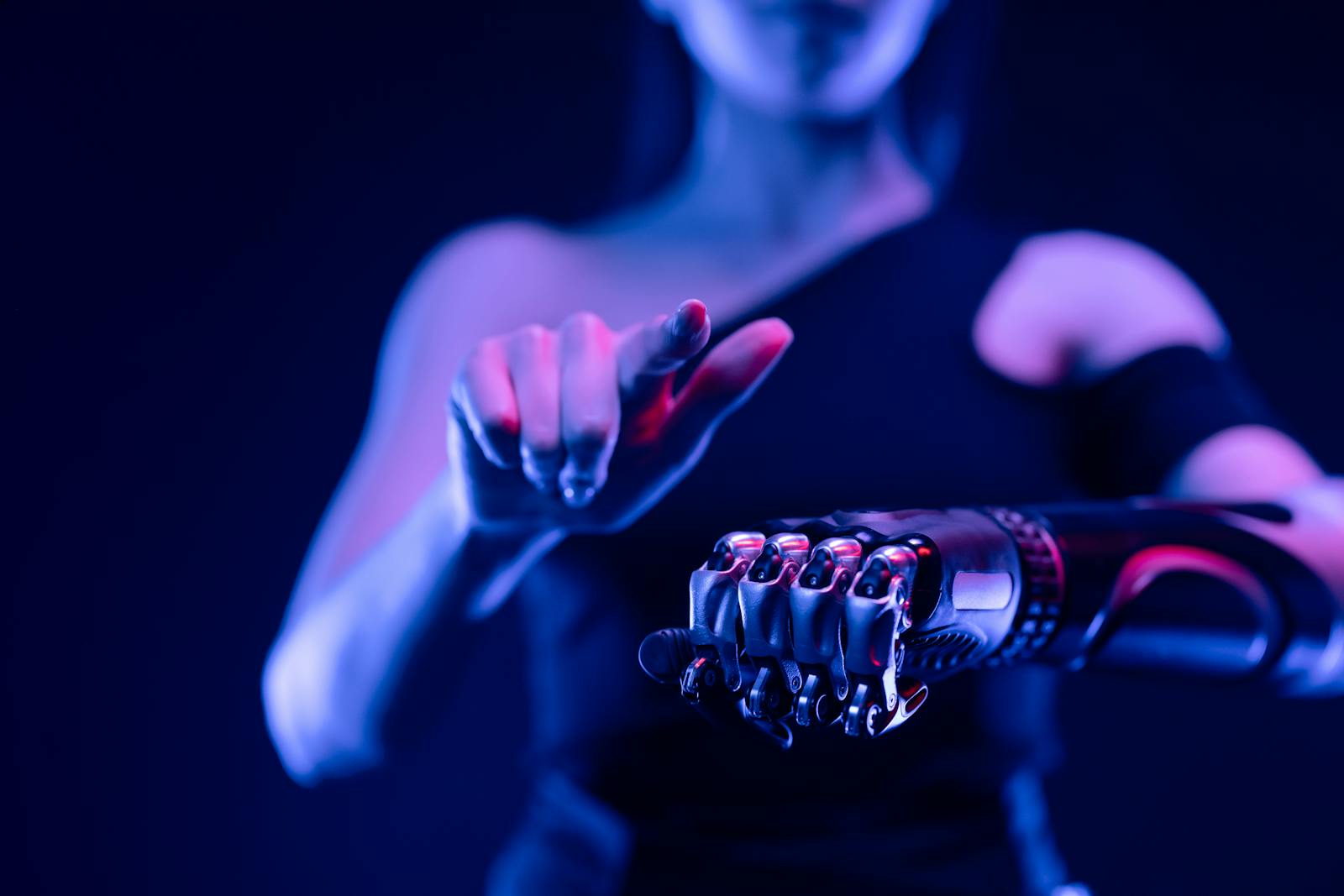
Humanoid robots are everywhere right now. They walk, lift boxes, fold laundry, and pose for cameras at tech events. Clips of these machines spread fast — usually followed by the same anxious question:
“Is this thing coming for my job?”
Despite the hype surrounding robots from companies like Tesla, Nvidia, and a growing list of startups, the truth is far less dramatic.
Humanoid robots are advancing — but they are decades away from replacing human workers at scale. And the reasons why reveal just how hard real-world work actually is.
Why Humanoid Robots Trigger So Much Fear
Humanoid robots unsettle people because they look familiar. When a machine has arms, legs, and hands like ours, we instinctively imagine it doing what we do.
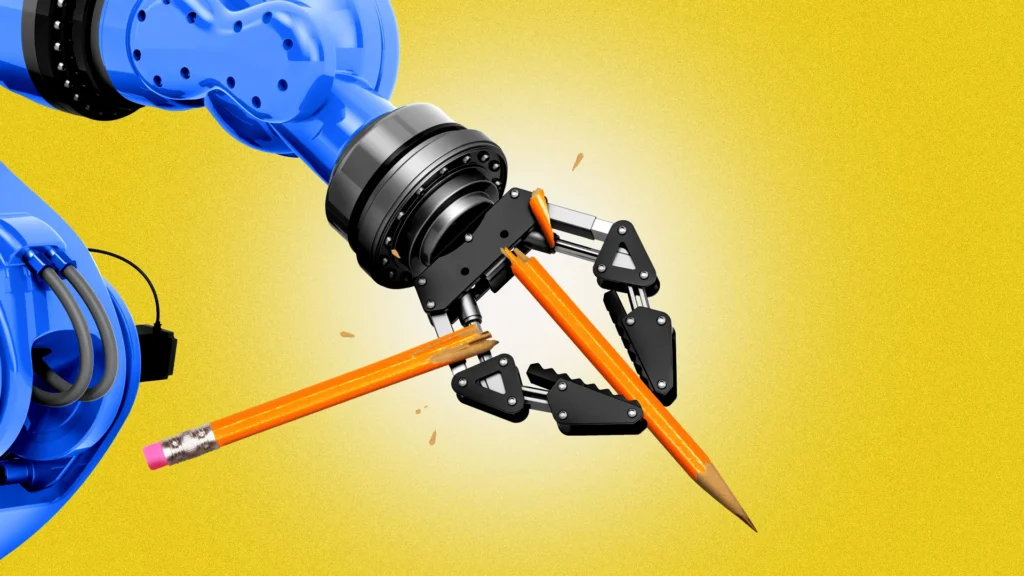
Tech companies lean into that imagery because it captures attention. But resemblance does not equal capability.
A robot that looks human is still a machine struggling to perform tasks humans find effortless.
What Humanoid Robots Can Actually Do Today
In controlled demos, humanoid robots can:
- Walk slowly on flat floors
- Pick up rigid objects
- Follow scripted instructions
- Perform short, repetitive tasks
These feats are impressive from an engineering perspective — but they represent basic movement, not real work.
Most robots still:
- Move cautiously
- Operate under supervision
- Function in ideal conditions
- Work for minutes, not hours
That gap matters.
Why Humanoid Robots Aren’t Ready to Replace Workers
1. Human Dexterity Is Incredibly Hard to Replicate
Human hands adjust grip, pressure, and angle automatically. We sense texture, weight, and resistance without thinking.
Robots struggle with:
- Soft or flexible objects
- Fine motor tasks
- Unexpected resistance
- Fast recovery from mistakes
Something as ordinary as folding laundry remains a major challenge.
2. Real Workplaces Are Messy
Factories, warehouses, and offices are unpredictable:
- People move unpredictably
- Objects shift position
- Lighting changes
- Tools wear out
Humans adapt instantly. Robots slow down — or stop — when things deviate from plan.
3. Safety Forces Robots to Move Slowly
Robots working near people must limit speed and force to avoid injury.
That means:
- Reduced productivity
- Frequent pauses
- Conservative movement
A robot that is safe is often too slow to be economically useful.
4. Cost and Energy Are Major Barriers
Humanoid robots are expensive to build, power, and maintain.
Today’s systems:
- Cost tens or hundreds of thousands of dollars
- Consume significant energy
- Require frequent maintenance and updates
For most jobs, humans remain faster, cheaper, and more reliable.

Why AI Breakthroughs Don’t Instantly Fix Robotics
AI has made huge strides — but robots are constrained by physics.
Even the smartest AI cannot:
- Defeat gravity
- Eliminate hardware wear
- Make sensors perfectly reliable
- Extend battery life indefinitely
That’s why robotics progresses slowly and incrementally, not in sudden leaps.
Where Humanoid Robots Will Actually Be Used First
Instead of replacing jobs, humanoid robots are more likely to:
- Assist in warehouses
- Support manufacturing
- Handle dangerous or repetitive tasks
- Work in controlled industrial settings
They will complement human labor, not replace it.
Why Big Companies Keep Investing Anyway
If humanoid robots are so limited, why are Tesla, Nvidia, and others spending billions?
Because the long-term potential is enormous.
Companies are betting that:
- AI perception will keep improving
- Hardware costs will fall
- Learning through simulation will accelerate
- Labor shortages will worsen
Humanoid robots are a long-term bet, not a near-term threat.
What This Means for Workers
The future of work is more about tools than replacements.
Workers are more likely to:
- Supervise robots
- Maintain automated systems
- Focus on decision-making and creativity
- Avoid the most physically punishing tasks
Jobs evolve. They rarely disappear overnight.
Why the Robot Panic Persists
Robot videos show success, not failure.
Marketing shows promise, not limits.
Headlines reward fear, not nuance.
But engineers know the truth: humanoid robots are still learning how to exist in human spaces.
Frequently Asked Questions
Are humanoid robots replacing jobs today?
No. They are far too slow, expensive, and limited.
Will robots replace workers in the future?
Some tasks will be automated, but widespread replacement is unlikely for decades.
Why not use specialized robots instead?
Specialized robots are faster and cheaper — humanoids trade efficiency for flexibility.
When will robots work in homes?
Most experts estimate 10–20 years, if ever.
Are companies exaggerating robot capabilities?
Yes. Demonstrations often show best-case scenarios.
Should workers be worried right now?
No. Software AI poses a far bigger near-term impact than humanoid robots.
The Bottom Line
Humanoid robots look impressive — and they are improving.
But they are still:
- Slow
- Expensive
- Fragile
- Dependent on humans
They won’t take your job anytime soon.
The real transformation of work is happening quietly — through software, tools, and gradual automation — not through robots suddenly walking onto the factory floor.
For now, the future of work remains very human.
Sources AXIOS

