

The artificial intelligence boom is often described in terms of breakthroughs, valuations, and trillion-dollar bets. But behind the headlines lies a quieter, more human story: tech workers pushing themselves to extremes. In the race to dominate AI, some companies are normalizing 72-hour workweeks, blurring the line between ambition and burnout.
This article expands on recent reporting by exploring why these marathon schedules are emerging, what’s driving companies and workers to accept them, what’s missing from the public conversation, and what this culture could mean for the future of work in tech.

Why the AI Boom Is Driving Extreme Work Hours
AI Is a Winner-Take-Most Market
Unlike many previous tech waves, AI rewards:
- Speed to market
- Scale of deployment
- Rapid iteration
Being early matters enormously. Companies fear that slowing down — even briefly — could mean losing ground permanently to competitors.
That pressure trickles down to workers.
Talent Is Scarce, Stakes Are High
Elite AI researchers, engineers, and infrastructure specialists are in short supply. Instead of hiring fast enough to spread the load, many companies:
- Push existing teams harder
- Offer massive compensation and equity
- Frame long hours as mission-critical
For some workers, exhaustion is seen as the price of relevance.
Why Workers Are Agreeing to 72-Hour Weeks
The Payoff Can Be Enormous
AI firms often offer:
- High salaries
- Stock options tied to explosive growth
- Career-defining projects
For young engineers or researchers, a few brutal years can translate into long-term financial freedom — or at least the hope of it.
Fear of Missing the Moment
Many workers believe:
“If I’m not all-in now, I’ll miss the biggest technological shift of my lifetime.”
That fear creates a culture where:
- Saying no feels risky
- Rest feels like falling behind
- Burnout is normalized
Passion Blurs Boundaries
Some employees genuinely love the work. Building frontier AI systems can feel historic, creative, and meaningful. Passion, however, can mask unsustainable expectations.
What’s Often Missing From the Conversation
These Hours Aren’t Sustainable — Even for the Best
Research consistently shows that:
- Productivity drops sharply after 50–60 hours
- Errors increase with fatigue
- Creativity declines under chronic stress
Long hours may speed short-term output but undermine long-term innovation.
Burnout Becomes a Hidden Cost
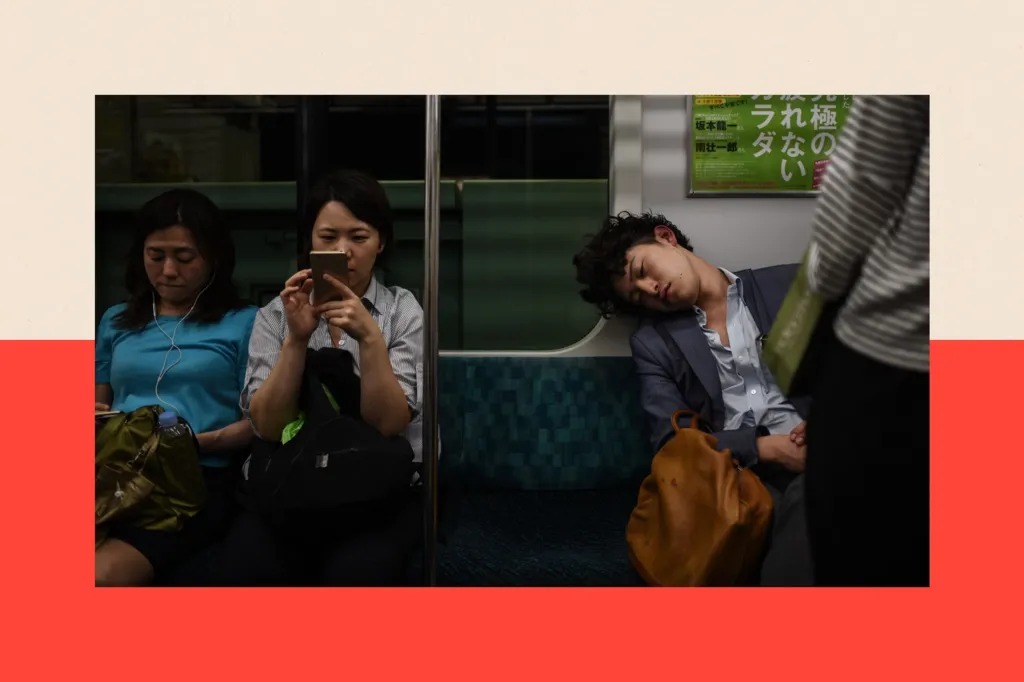
Burnout doesn’t always look like quitting. It shows up as:
- Reduced curiosity
- Emotional detachment
- Health problems
- Quiet disengagement
Companies may not notice until top talent leaves.
This Culture Shapes Who Gets to Participate
Extreme workweeks favor:
- Young, single workers
- Those without caregiving responsibilities
- People with financial safety nets
That narrows diversity and excludes experienced voices who can’t sustain such schedules.
The Historical Pattern Tech Keeps Repeating
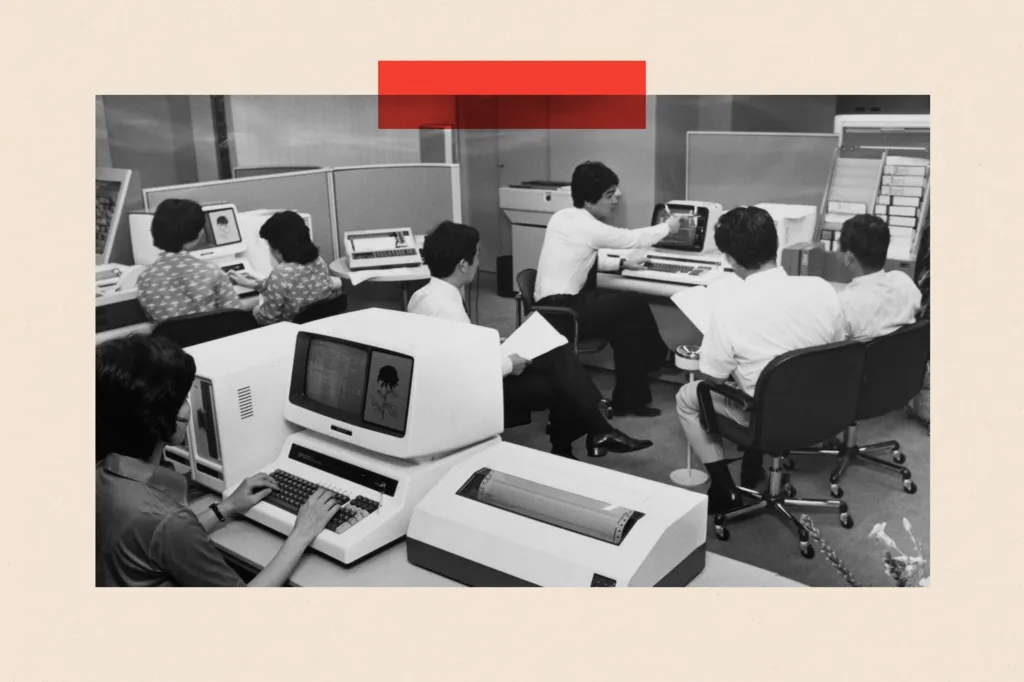
The AI gold rush echoes past moments:
- Early Silicon Valley startup culture
- The dot-com boom
- The early days of crypto
Each wave celebrated intensity — and later reckoned with burnout, attrition, and regret.
AI may be new. The human limits are not.
How Companies Justify the Pressure
Leaders often argue that:
- “This phase is temporary”
- “We’re building something unprecedented”
- “Everyone here chose this”
But temporary phases often stretch into years, and choice becomes murky when industry norms shift.
What Happens If This Becomes Permanent
If 72-hour weeks become standard:
- Talent shortages may worsen
- Health costs may rise
- Innovation may stagnate
- Public backlash could grow
The industry risks burning through its most valuable resource: people.
Health, Ethics, and the Question of Responsibility
As AI shapes society, ethical discussions usually focus on:
- Bias
- Safety
- Regulation
But labor practices are part of AI ethics too. Systems built under extreme human strain may carry unseen consequences.
Frequently Asked Questions
Are 72-hour weeks common across all tech companies?
No. They are more common in high-pressure AI startups and elite research teams, not universal across the industry.
Are workers forced into these schedules?
Rarely explicitly. Pressure is often cultural — driven by expectations, competition, and incentives.
Does working longer actually improve AI outcomes?
In the short term, it can increase output. Over time, fatigue reduces quality and innovation.
Why don’t companies just hire more people?
Specialized AI talent is scarce, and onboarding new hires takes time that companies feel they don’t have.
Will this culture last?
History suggests it won’t. Either companies adapt to sustainable models, or burnout forces change.
Final Thoughts
The AI boom is rewriting technology — but it’s also rewriting work culture.
Seventy-two-hour weeks may look like dedication or ambition today. In hindsight, they may look like a warning sign that the industry is sprinting without pacing itself.
The real test of AI leadership won’t be who moves fastest in the short term.
It will be who can build the future without breaking the people building it.
Because no matter how intelligent machines become,
human limits still matter.
Sources BBC

