
Indian cinema has always embraced technology—from color film and digital projection to CGI-heavy blockbusters. But in recent years, a quieter yet far more disruptive force has entered the industry: artificial intelligence. From script development and casting decisions to visual effects, dubbing, marketing, and even resurrecting actors on screen, AI is rapidly reshaping how Indian films are imagined, produced, and consumed.
While headlines often focus on flashy AI tools or controversies, the deeper story is about scale, speed, language diversity, and economics—all of which make India uniquely fertile ground for AI-driven filmmaking.
This article expands on why Indian cinema is “awash with AI,” what often gets overlooked, and what it means for artists, audiences, and the future of storytelling.
Why Indian Cinema Is Embracing AI Faster Than Most
A Massive, Multilingual Market
India produces more films annually than any other country, across dozens of languages. AI helps studios manage this scale by:
- Automating subtitling and dubbing
- Localizing dialogue and cultural references
- Predicting audience preferences across regions
For an industry serving hundreds of millions of viewers, efficiency is not optional—it’s survival.
Tight Budgets, Big Expectations
Unlike Hollywood’s mega-budgets, many Indian films operate under financial constraints while still competing for attention. AI tools help by:
- Reducing post-production costs
- Accelerating VFX workflows
- Optimizing shooting schedules
- Minimizing reshoots through predictive planning
AI offers a way to do more with less.
Where AI Is Already Being Used in Indian Cinema
Script Analysis and Development
AI tools analyze:
- Story structure
- Dialogue pacing
- Genre trends
- Audience sentiment
Producers increasingly use AI as a second opinion—not to write scripts outright, but to identify weaknesses and predict commercial appeal.
Casting and Talent Decisions
Some studios experiment with AI to:
- Analyze past box-office data
- Match actors to audience preferences
- Predict on-screen chemistry
This data-driven casting is controversial but increasingly common.
Visual Effects and De-Aging
AI-powered VFX is used for:
- De-aging actors
- Enhancing crowd scenes
- Facial correction and motion smoothing
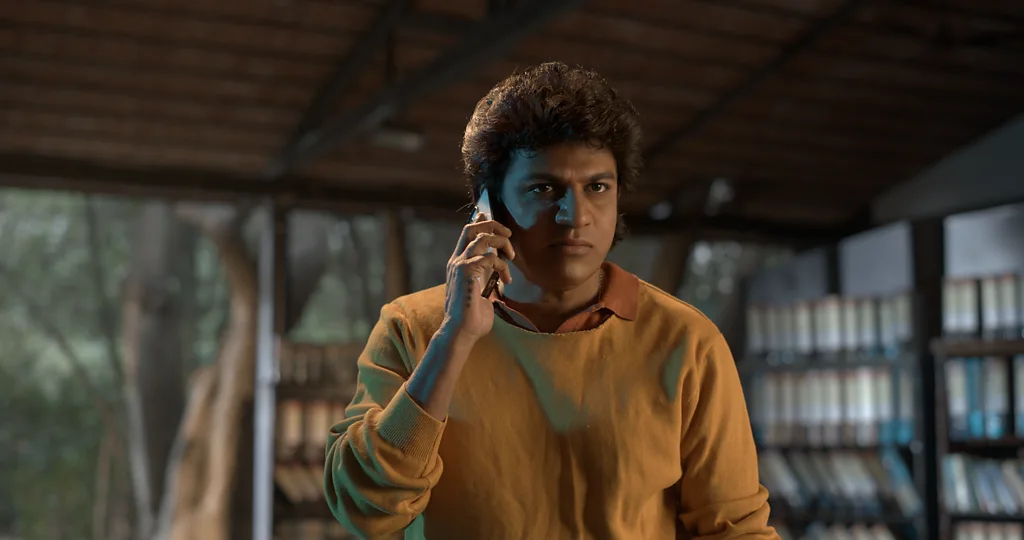
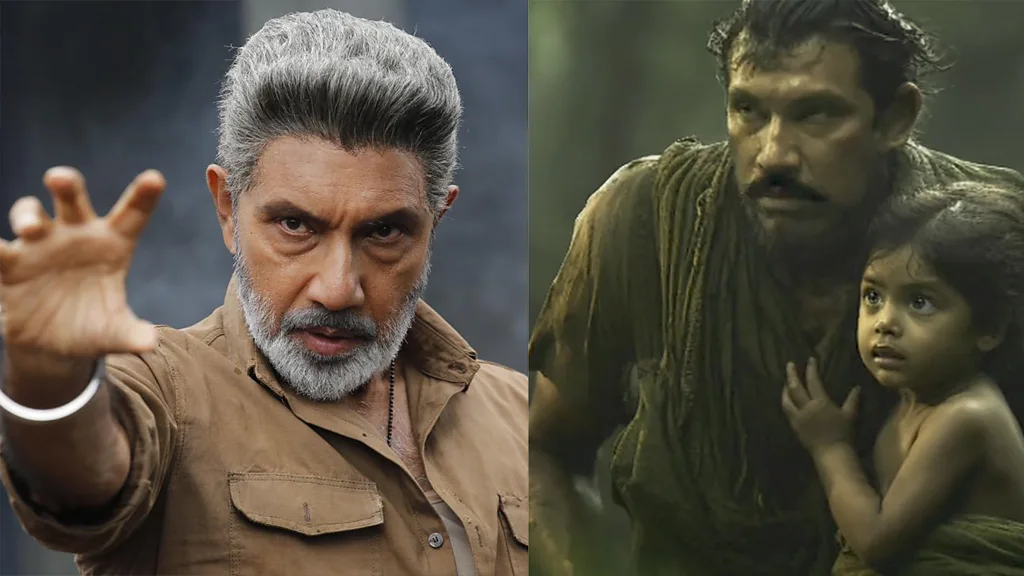
This allows older stars to extend careers and smaller productions to achieve high-end visuals.
Voice Cloning and Dubbing
AI voice synthesis enables:
- Actors to “perform” in multiple languages
- Faster, cheaper dubbing
- Consistent voice quality across regions
While efficient, this raises ethical questions about consent and compensation.
Marketing and Distribution
AI helps studios:
- Predict opening-week performance
- Tailor trailers to specific demographics
- Optimize release timing
- Personalize streaming recommendations
Marketing has become as algorithmic as production.

What Often Gets Left Out of the Conversation
AI Is Changing Creative Power Dynamics
Decisions once driven by intuition are now influenced by data. This can:
- Reduce risk for studios
- Limit experimentation
- Favor proven formulas over originality
The danger is not AI replacing creativity—but narrowing it.
Regional Cinema Faces Both Opportunity and Risk
AI lowers barriers for smaller-language films by improving localization and discovery. At the same time, algorithmic preference for “safe” content can marginalize niche voices.
Labor Concerns Are Growing
Editors, dubbing artists, VFX technicians, and writers worry about:
- Job displacement
- Reduced bargaining power
- Unclear ownership of AI-generated work
Unions and guilds are only beginning to address these issues.
Ethical and Legal Grey Areas
Key unresolved questions include:
- Who owns an AI-generated performance?
- Can an actor’s likeness be reused indefinitely?
- How should AI-trained-on-existing-films data be compensated?
India’s legal framework has not yet caught up.
Why AI in Indian Cinema Matters Globally
India’s film industry serves as a test case for:
- AI in high-volume creative production
- Multilingual content automation
- Human–machine collaboration at scale
What works—or fails—here will influence global entertainment.
The Future of Storytelling in an Algorithmic Age
AI is unlikely to replace directors, actors, or writers. Instead, it will:
- Shape which stories get funded
- Influence how films are edited and marketed
- Change audience expectations around realism and personalization
The challenge will be preserving human vision in an increasingly data-driven process.
Frequently Asked Questions (FAQ)
Is AI replacing filmmakers in India?
No. AI is mainly augmenting workflows, though it is changing how decisions are made.
Why is AI adoption so fast in Indian cinema?
Because of scale, cost pressures, language diversity, and fierce competition for attention.
Are actors at risk from AI?
There are risks around voice cloning and digital likeness, but stars still drive audience connection.
Does AI harm creativity?
It can if used rigidly. Used thoughtfully, it can free creators to focus on storytelling.
Will audiences notice AI’s influence?
Often no—but they may feel its effects in smoother visuals, faster releases, and more targeted content.
Final Thoughts
Indian cinema’s embrace of AI is not about replacing art with algorithms—it’s about navigating scale, speed, and survival in a crowded entertainment landscape.
But as algorithms gain influence over what stories are told and how they are told, the industry faces a crucial choice: use AI as a creative partner, or let it quietly become the gatekeeper of imagination.
In the world’s largest film industry, the future of storytelling may depend on how wisely that choice is made.
Sources BBC

