

OpenAI, best known for creating ChatGPT, is making a major strategic move beyond software by investing in AI hardware, robotics, and U.S.-based manufacturing. This shift signals a long-term vision where artificial intelligence is not only something we interact with on screens, but something embedded into physical devices, machines, and infrastructure.
This article expands on that move, explains why it matters, explores what’s happening behind the scenes, and answers the most common questions people have about OpenAI’s hardware and robotics ambitions.
Why OpenAI Is Moving Into AI Hardware and Robotics
For years, OpenAI focused primarily on software — training large AI models and delivering them through cloud-based platforms. But as AI systems grow more powerful, hardware has become just as critical as software.
AI models require massive computing power, efficient cooling, reliable energy systems, and specialized infrastructure. Relying solely on off-the-shelf hardware or overseas manufacturing creates risks related to cost, supply chain disruptions, and performance limitations.
By moving closer to the hardware layer, OpenAI gains:
- More control over performance and efficiency
- Better alignment between AI models and physical systems
- Reduced exposure to global supply chain uncertainty
- The ability to experiment with new kinds of AI-powered devices
Why U.S.-Based Suppliers Matter
One of the most notable parts of OpenAI’s strategy is its focus on U.S.-based suppliers and manufacturing.
Strengthening Supply Chains
Global technology supply chains have become increasingly fragile due to geopolitical tensions, trade restrictions, and rising demand for advanced chips. Domestic manufacturing helps:
- Reduce dependency on overseas production
- Improve reliability and security
- Speed up development and deployment cycles
Economic and Strategic Benefits
Building AI infrastructure in the U.S. also supports:
- High-skilled job creation
- Growth of domestic tech ecosystems
- National competitiveness in advanced technologies
This aligns OpenAI with broader efforts to rebuild critical technology manufacturing at home.
The Role of Hardware Partnerships
Rather than building everything alone, OpenAI is pursuing co-design partnerships with experienced manufacturers. This approach allows the company to define what it needs while relying on established expertise to build it.
These partnerships focus on:
- AI-optimized server racks
- Power and cooling systems designed for massive AI workloads
- Networking infrastructure capable of supporting large-scale models
- Data center components built specifically for future AI demands
Importantly, these collaborations allow OpenAI to test and evaluate hardware before fully committing to large purchases.
Beyond Data Centers: OpenAI’s Broader Hardware Vision
Consumer AI Devices
OpenAI has been quietly building internal teams focused on consumer-facing AI hardware. These efforts suggest future devices that go beyond phones and computers — potentially always-on AI companions, wearables, or entirely new product categories.
The goal is to create hardware where AI feels natural, intuitive, and deeply integrated into daily life.

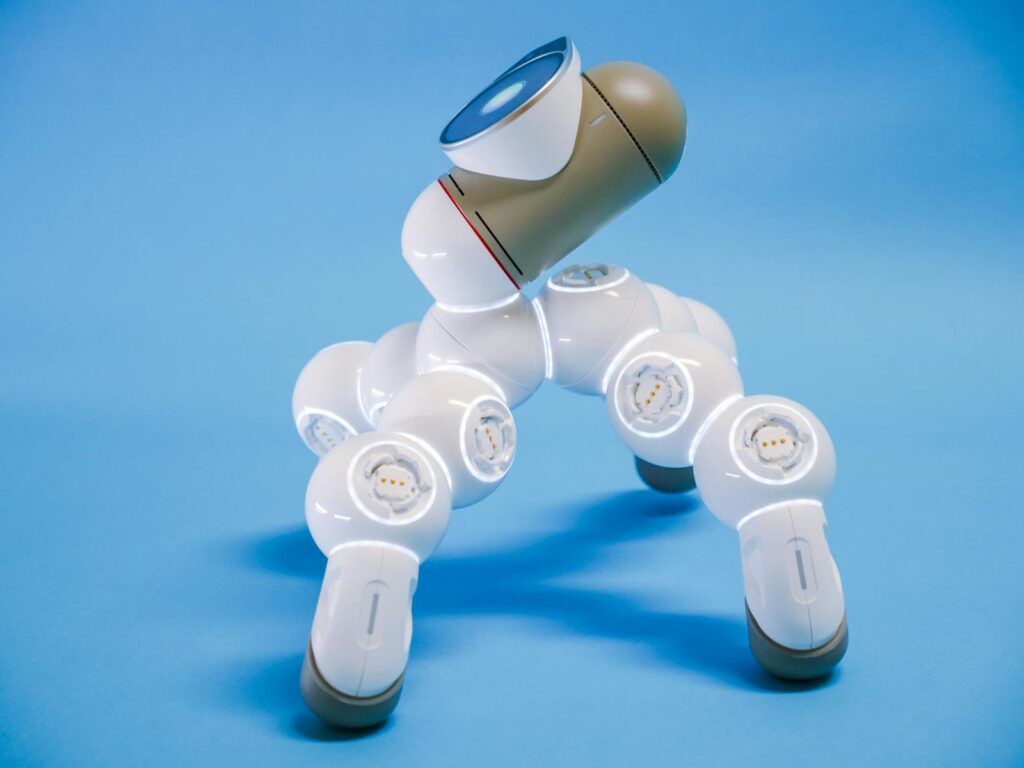
Robotics and Physical AI Systems
OpenAI is also showing renewed interest in robotics — an area it explored in the past but paused due to technical limitations.
Advances in AI reasoning, perception, and real-time decision-making have reopened the door to:
- Intelligent robots that can adapt to changing environments
- Machines capable of learning from experience
- AI systems that operate safely in homes, factories, and workplaces
Robotics represents one of the most challenging but potentially transformative applications of artificial intelligence.
Why This Shift Is So Significant
1. Better AI Performance
Custom-designed hardware allows AI models to run faster, more efficiently, and at larger scales than generic systems.
2. Long-Term Cost Control
Owning more of the hardware stack can reduce long-term operating costs and improve predictability.
3. New Product Opportunities
Hardware opens the door to AI experiences that software alone can’t deliver, especially in robotics and edge computing.
4. Competitive Positioning
As other major tech companies invest heavily in custom chips and infrastructure, OpenAI’s move ensures it stays competitive in the next phase of AI development.
Challenges OpenAI Still Faces
Despite the promise, this strategy comes with real challenges:
- Hardware development is expensive and slow compared to software
- Robotics requires solving safety, reliability, and real-world unpredictability
- Scaling manufacturing while maintaining quality is difficult
- Competition in AI hardware is intense and well-funded
Success will depend on execution, partnerships, and patience.
Frequently Asked Questions
Is OpenAI actually building robots?
OpenAI is actively exploring robotics and hiring for related roles, but no consumer or commercial robots have been officially announced yet.
What kind of hardware is OpenAI focusing on first?
The initial focus is on AI data center infrastructure — servers, power systems, cooling, and networking — designed specifically for large-scale AI workloads.
Will this change how ChatGPT works?
Not immediately. Over time, better hardware could make AI systems faster, cheaper, and more capable, which may improve AI services overall.
Why does domestic manufacturing matter so much?
It improves supply chain security, reduces geopolitical risk, and helps ensure consistent access to critical AI infrastructure.
Is OpenAI competing with hardware companies now?
Not directly. OpenAI’s approach centers on partnerships and co-design rather than becoming a traditional hardware manufacturer.
Final Thoughts
OpenAI’s move into U.S.-based AI hardware and robotics marks a turning point. It shows a clear belief that the future of artificial intelligence isn’t just digital — it’s physical.
If successful, this strategy could lead to:
- Stronger domestic AI infrastructure
- New generations of intelligent devices
- Smarter, more adaptable robots
- A deeper integration of AI into everyday life
This is not a short-term experiment. It’s a long-term bet on how AI will shape the real world.
Sources Bloomberg

