
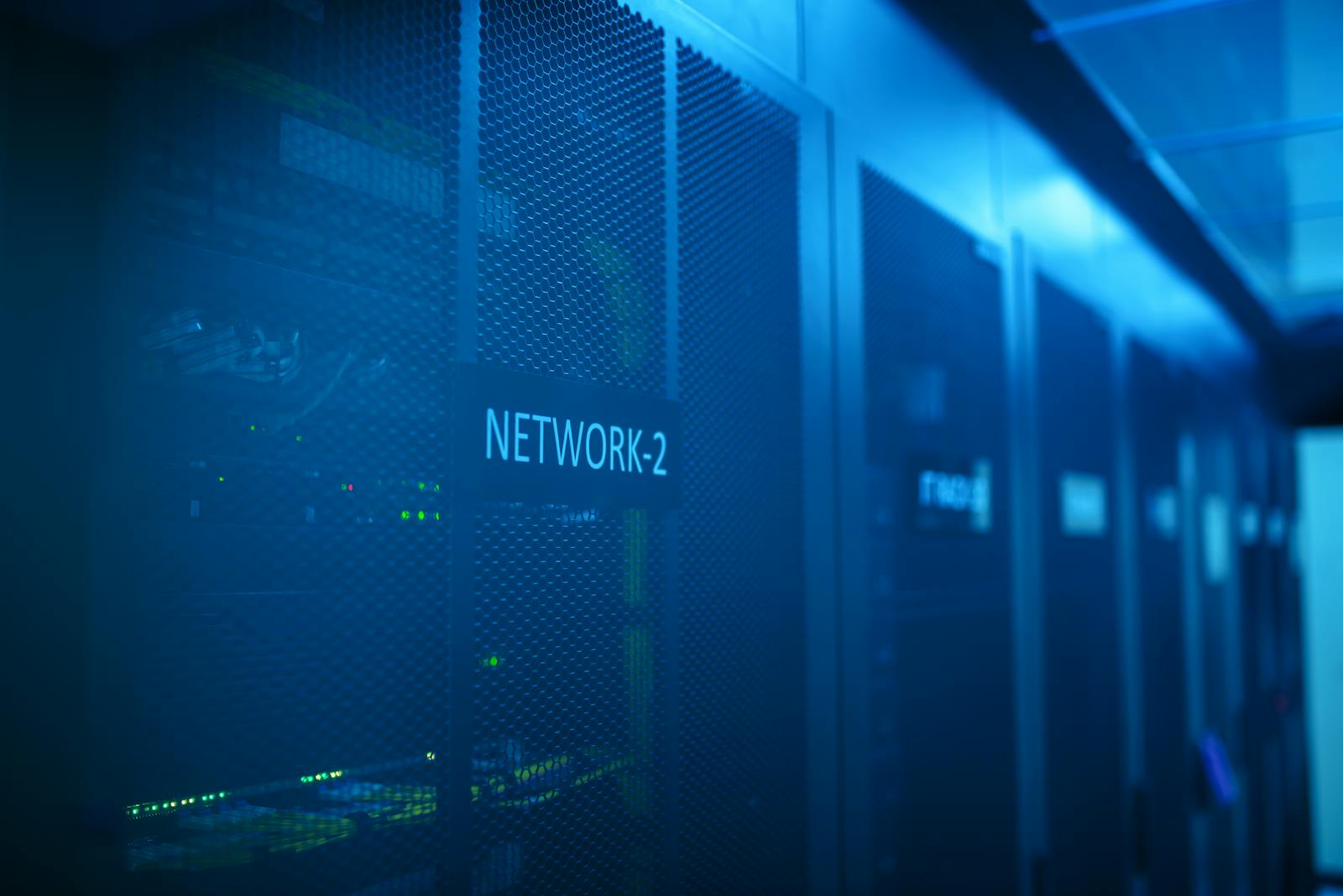
Artificial intelligence is driving one of the largest investment waves in modern economic history. Companies are pouring hundreds of billions of dollars into AI infrastructure, software, talent, and energy. But as this spending accelerates, it’s producing unexpected shortages, bottlenecks, and distortions across the global economy.
This article expands on recent reporting by explaining where AI money is flowing, why shortages are emerging, what’s often overlooked in the debate, and how this surge could reshape growth, labor, and inflation in the years ahead.
Why AI Spending Has Exploded So Quickly
AI is no longer viewed as a productivity tool — it’s seen as economic infrastructure.
Governments and corporations believe that:
- AI leadership determines long-term competitiveness
- Falling behind risks economic irrelevance
- Scale matters more than efficiency in early stages
This mindset has triggered an arms race, where spending is driven by fear of missing out as much as expected returns.
Where the Money Is Actually Going
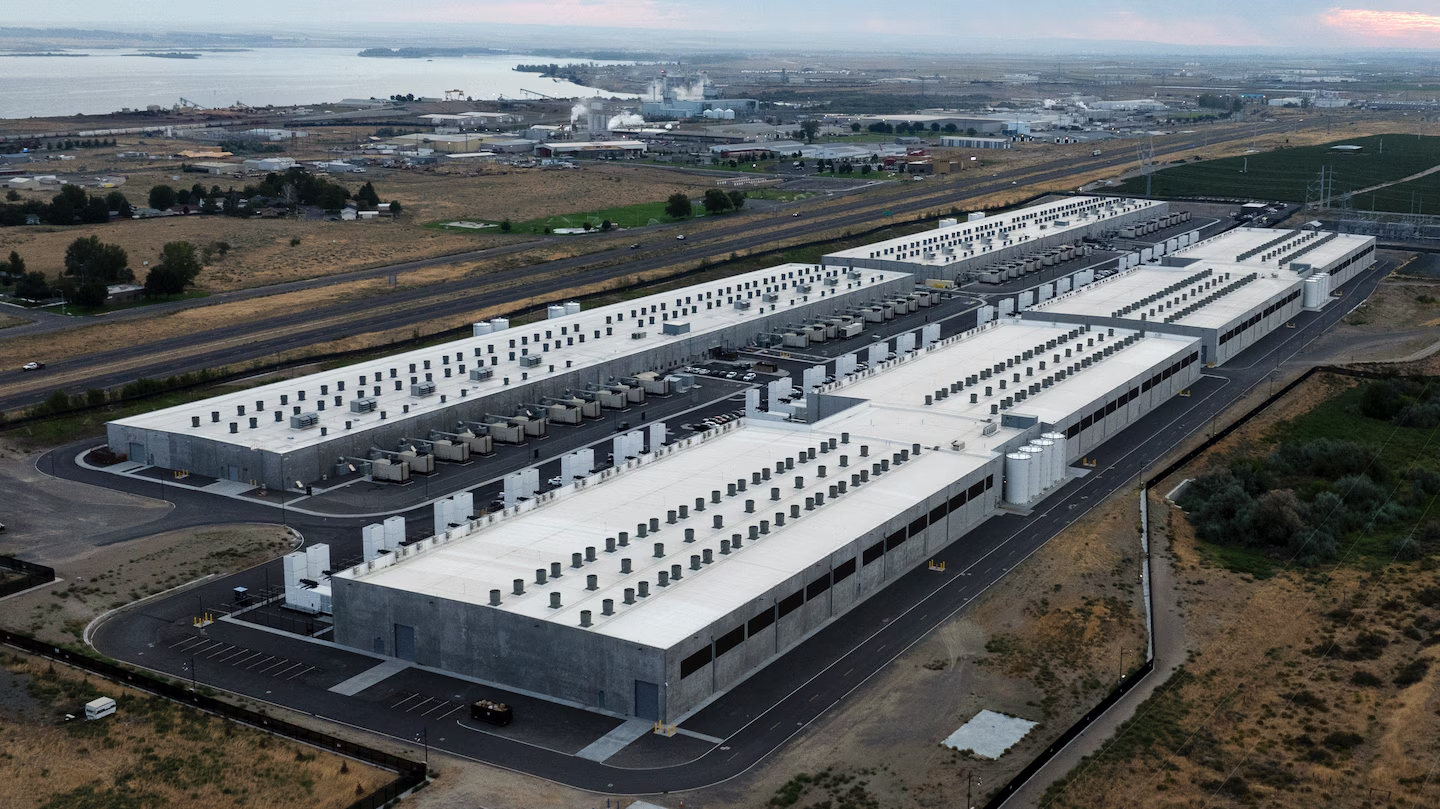
1. Data Centers and Compute Infrastructure
The biggest share of AI spending is physical.
Companies are racing to build:
- Massive data centers
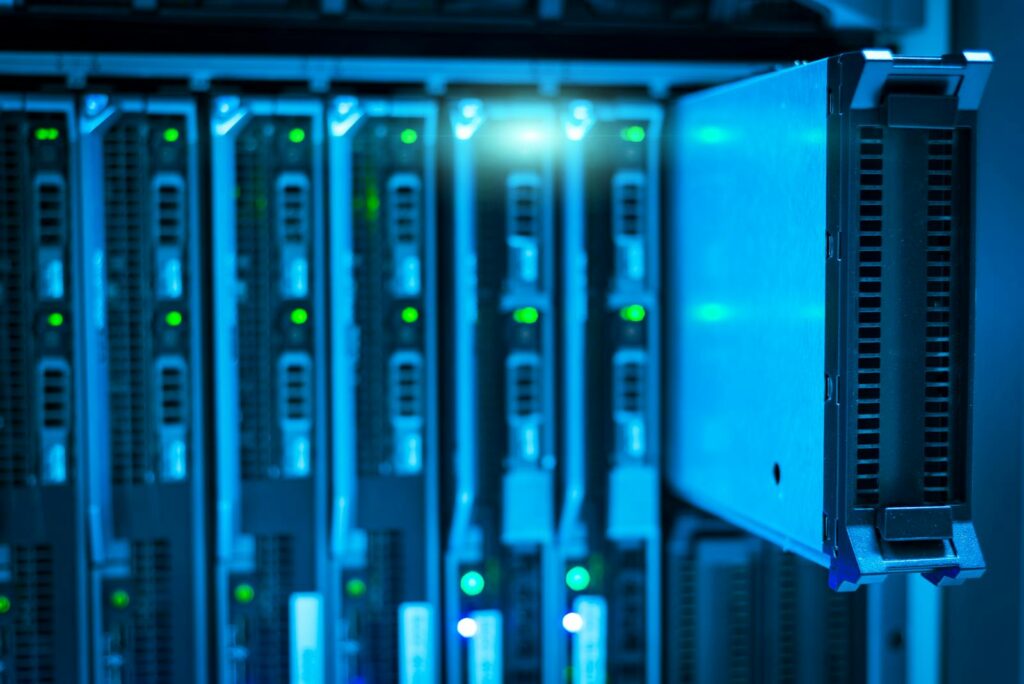
- High-performance AI servers
- Advanced cooling systems
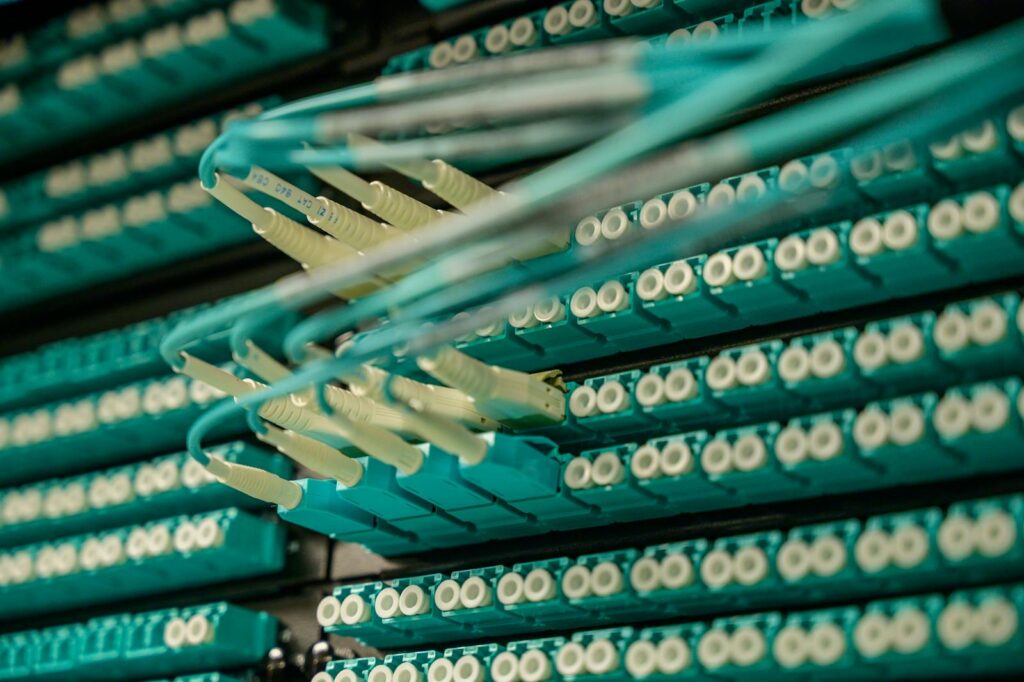
- Global fiber and networking capacity
These facilities require years to plan and build, creating supply constraints when demand spikes suddenly.
2. Chips and Specialized Hardware
Advanced AI chips are scarce, expensive, and complex to manufacture.
Rising demand has led to:
- Long wait times for key components
- Price increases
- Dependence on a small number of suppliers
This has knock-on effects across industries that rely on the same semiconductor supply chains.
3. Energy and Power Capacity
AI systems consume enormous amounts of electricity.
AI spending now competes with:
- Manufacturing
- Housing development
- Electric vehicle charging
- Renewable energy expansion
In some regions, data centers are stretching power grids to their limits, delaying other projects.
4. Talent and Specialized Labor
AI investment is also driving shortages in:
- Engineers and researchers
- Data center technicians
- Electrical and construction workers
- Energy infrastructure specialists
This is pushing wages higher and pulling talent away from other sectors.
The Shortages Few People Talk About
Construction and Materials
AI data centers require:
- Steel
- Concrete
- Cooling equipment
- Power transformers
Demand spikes are straining construction supply chains and driving up costs.
Water and Local Resources
Large data centers consume significant water for cooling. In some areas, this is creating tension with:
- Local communities
- Agriculture
- Environmental priorities
AI infrastructure has real-world resource footprints.
Capital Itself
So much capital is flowing into AI that:
- Other industries struggle to attract investment
- Risk capital becomes more concentrated
- Economic diversity may suffer
This creates imbalances that markets may not immediately price in.
What’s Often Missing From the Conversation
AI Spending Is Inflationary in the Short Term
While AI promises long-term productivity gains, the current spending surge:
- Raises demand for scarce resources
- Pushes up wages and construction costs
- Stresses supply chains
These effects can increase inflation before AI efficiencies materialize.
Productivity Gains Take Time
AI benefits don’t appear instantly. There’s often a lag between:
- Investment
- Deployment
- Organizational change
- Measurable output gains
During that lag, costs rise faster than productivity.
Regional Inequality May Widen
AI investment tends to cluster in:
- Tech hubs
- Energy-rich regions
- Areas with skilled labor
Other regions risk falling further behind.
What This Means for the Broader Economy
Growth Will Become More Uneven
Sectors tied to AI infrastructure may boom, while others face:
- Labor shortages
- Higher costs
- Reduced access to capital
Economic growth may look strong on paper but feel uneven on the ground.
Governments Will Face Hard Choices
Policymakers must balance:
- Encouraging AI investment
- Protecting local resources
- Managing inflation
- Ensuring fair access to energy and labor
AI is now a macroeconomic issue, not just a tech one.
Long-Term Upside Still Exists
Despite the strain, AI spending could eventually:
- Increase productivity across industries
- Offset labor shortages from aging populations
- Enable new business models and services
The challenge is navigating the transition period without creating lasting distortions.
Frequently Asked Questions
Why is AI spending causing shortages?
Because demand for chips, power, labor, and materials is rising faster than supply can adjust.
Is AI spending good or bad for the economy?
Both. It boosts long-term potential but creates short-term strain and imbalances.
Will this lead to higher prices?
In some sectors, yes — especially energy, construction, and specialized labor.
Can governments slow the AI arms race?
They can influence it through regulation and infrastructure planning, but competition makes restraint difficult.
When will productivity gains offset these costs?
Likely over several years, not immediately.
Final Thoughts
AI spending is transforming the economy in real time — not just through software, but through concrete, steel, power lines, and people.
The promise of AI remains enormous. But the path there is proving more disruptive, resource-intensive, and uneven than many expected.
The real test ahead isn’t whether AI will boost growth.
It’s whether societies can manage the shortages and shocks created while building the future.
Sources The Washington Post

