
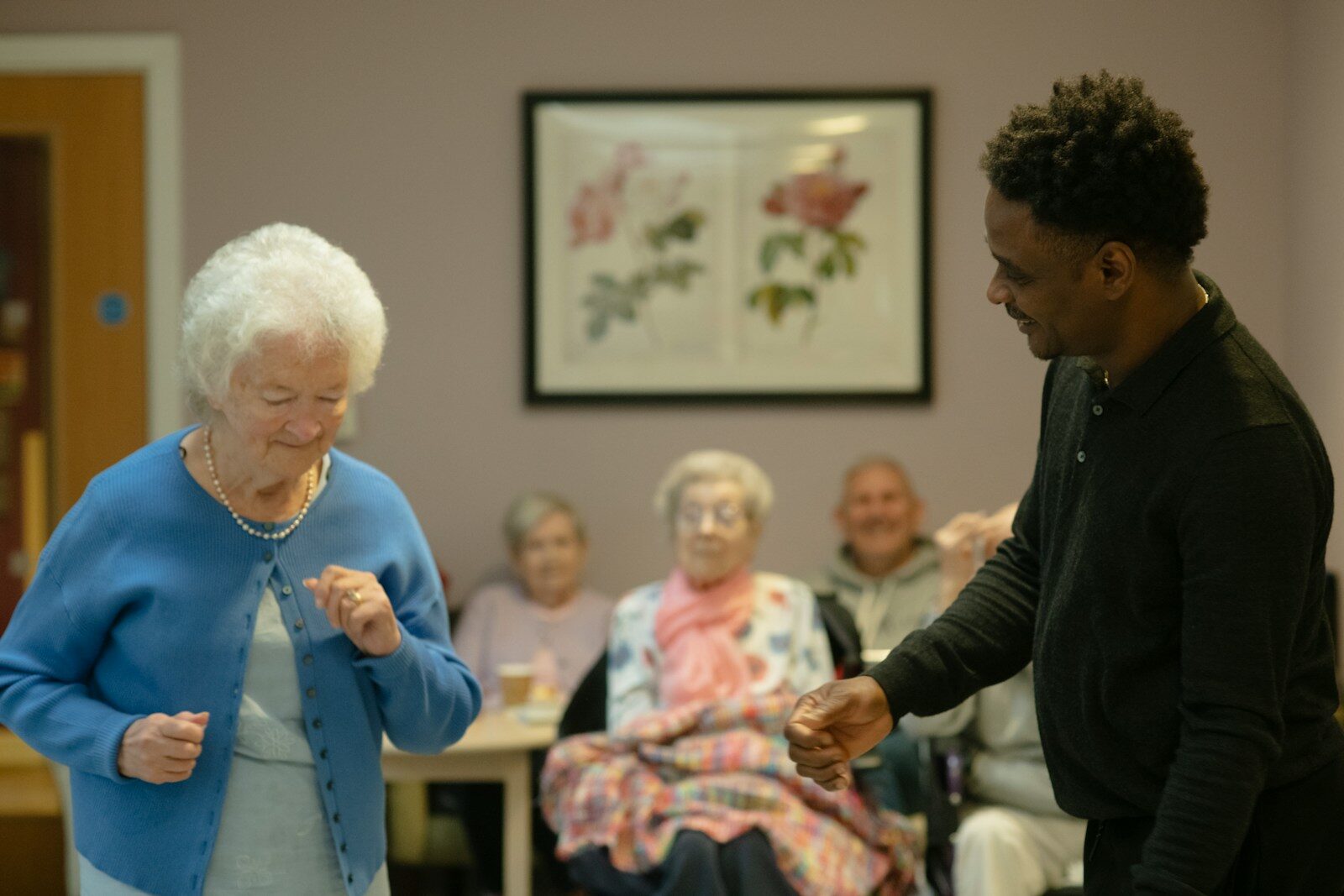
The Future of Care Has a Face—and a Voice
What if loneliness in old age could be reduced… not by more hospitals, but by a companion?
Not a human—but not just a machine either.
👉 Meet Abi, an AI-powered robot designed to support, engage, and care for seniors.
And while it may sound futuristic, this technology is already raising a powerful question:
👉 Can AI truly care—or just simulate it well enough to matter?
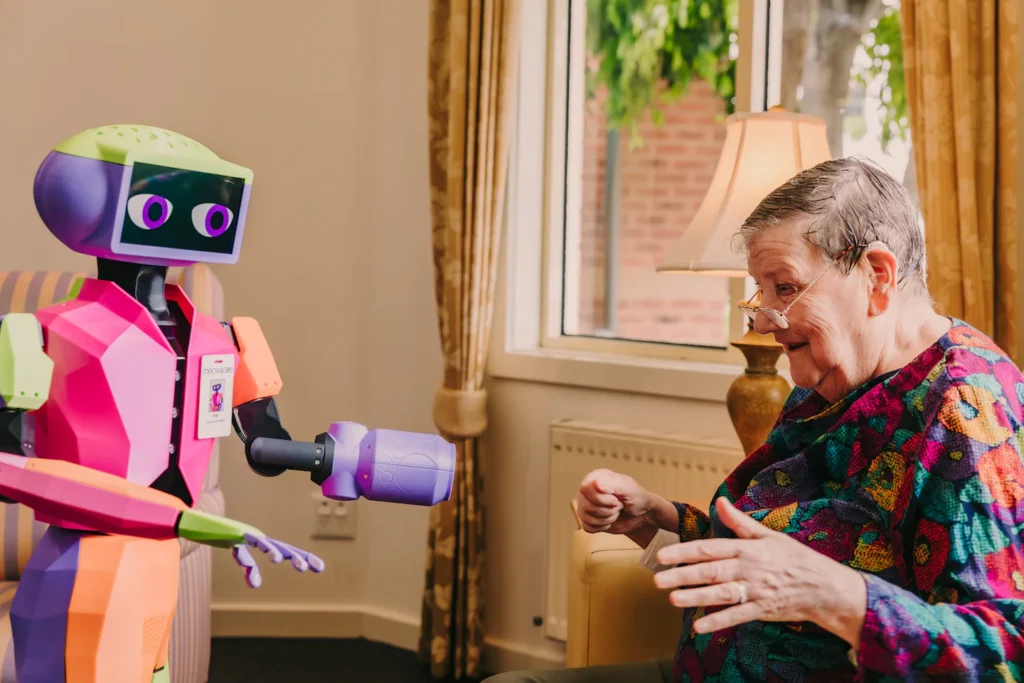
🤖 What Is Abi—and What Does It Do?
Abi is an AI-driven robotic companion built specifically for elderly care.
It’s designed to:
- Hold conversations
- Remind users about medication
- Provide emotional companionship
- Monitor well-being
- Assist with daily routines
👉 Think of it as a mix between:
- A caregiver
- A personal assistant
- A social companion
🧠 Why Senior Care Needs Innovation
The global population is aging rapidly.
Key challenges:
- Shortage of caregivers
- Rising healthcare costs
- Increased loneliness among seniors
- Overburdened families
👉 Traditional systems are struggling to keep up.
This is where AI-powered solutions like Abi step in.
💬 The Human Problem: Loneliness
One of the biggest issues in aging isn’t physical—it’s emotional.
Many seniors experience:
- Isolation
- Depression
- Cognitive decline linked to loneliness
Abi addresses this by:
👉 Providing constant interaction and engagement
⚙️ How Abi Works
Abi combines multiple technologies:
1. Conversational AI
- Natural conversations
- Context awareness
- Personalized responses
2. Behavioral Monitoring
- Tracks routines
- Detects unusual patterns
- Alerts caregivers if needed
3. Smart Reminders
- Medication alerts
- Appointment tracking
- Daily activity prompts
4. Emotional Interaction
- Responds to tone and mood
- Encourages conversation
- Provides companionship
👉 It’s not just functional—it’s designed to feel present.
🔍 What the Original Article Didn’t Fully Explore
Let’s go deeper into the broader implications:
1. The Rise of “Emotional AI”
Abi represents a shift:
👉 From task-based AI → emotionally aware AI
Future systems may:
- Detect subtle emotional changes
- Adapt responses in real time
- Provide mental health support
2. The Ethics of Artificial Companionship
Big question:
👉 Is it okay for machines to simulate care?
Concerns include:
- Emotional dependency
- Replacement of human interaction
- Authenticity of relationships

3. Caregiver Augmentation, Not Replacement
Abi isn’t meant to replace humans.
Instead, it:
- Supports caregivers
- Reduces workload
- Handles routine tasks
👉 Humans still provide:
- Empathy
- Judgment
- Complex care
4. Data Privacy Risks
Abi collects sensitive data:
- Health information
- Behavior patterns
👉 This raises concerns about:
- Data security
- Misuse
- Surveillance
5. Accessibility and Cost Barriers
Advanced care robots may:
- Be expensive
- Limited to wealthier users
👉 This could widen inequality in elder care.
🏥 Real-World Benefits
✅ 1. Improved Quality of Life
- More interaction
- Reduced loneliness
✅ 2. Better Health Management
- Medication adherence
- Routine monitoring
✅ 3. Support for Families
- Peace of mind
- Reduced stress
✅ 4. Extended Independent Living
- Seniors can stay at home longer
👉 This is one of the biggest advantages.
⚠️ The Risks: What Could Go Wrong?
1. Over-Reliance on Technology
Families may:
- Depend too much on AI
- Reduce human interaction
2. Emotional Substitution
AI companionship may:
- Replace real relationships
3. Technical Failures
System errors could:
- Miss important health signals
4. Ethical Boundaries
Where do we draw the line between:
- Assistance
- Replacement of human care?
🏢 Who Will Use This Technology?
1. Elderly Individuals Living Alone
2. Assisted Living Facilities
3. Healthcare Providers
4. Families Supporting Aging Relatives
👉 Demand is expected to grow rapidly.
🔮 The Future: AI Companions Everywhere?
We’re moving toward a world where:
👉 AI companions become part of daily life.
Future developments may include:
- More human-like robots
- Advanced emotional intelligence
- Integration with healthcare systems
Long-term vision:
- AI-supported aging at home
- Reduced strain on healthcare systems
- Personalized care at scale
❓ Frequently Asked Questions
1. What is Abi?
An AI-powered robot designed to assist and provide companionship to seniors.
2. Can Abi replace human caregivers?
No.
👉 It supports—but doesn’t replace—human care.
3. Is it safe to use?
Generally yes—but depends on:
- Data security
- Proper monitoring
- Responsible use
4. Does it actually help with loneliness?
It can reduce isolation—but:
👉 It’s not a full substitute for human relationships.
5. How expensive is it?
Costs vary—but advanced systems may be expensive initially.
6. What’s the biggest concern?
👉 Ethical use and maintaining human connection.

🔥 Final Thought
Abi represents something bigger than a robot.
It represents a shift in how we think about care, aging, and connection.
Because in a world where people are living longer…
👉 The challenge isn’t just adding years to life—
It’s adding life to those years.
Sources The Washington Post

