
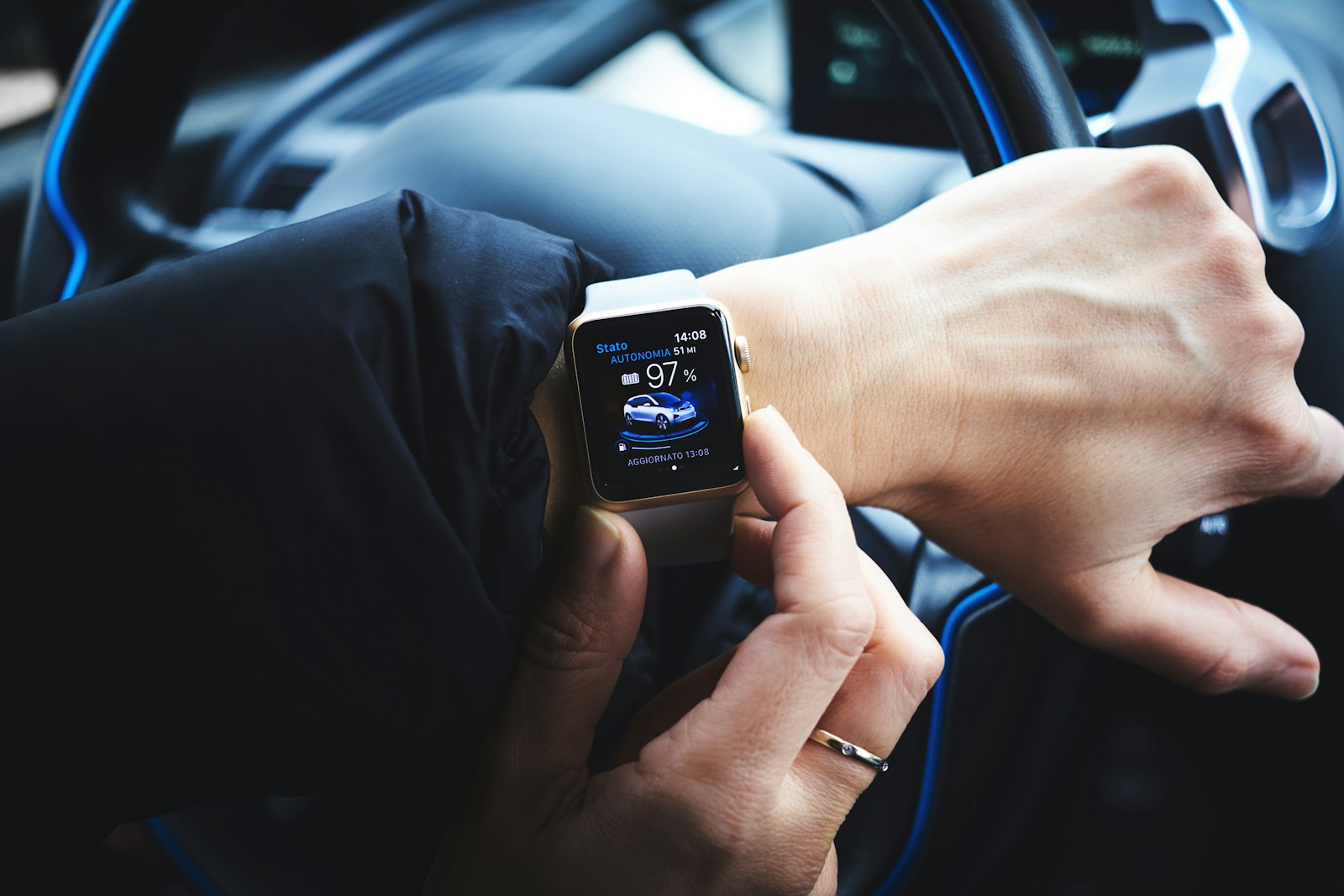
The idea is irresistible: a single wearable device that replaces your smartphone, declutters your digital life, and frees you from staring at screens all day. Tech companies—from giants like Meta to ambitious hardware startups—are betting big on this vision. Glasses, rings, pendants, and wristbands are being pitched as the next leap in personal computing.
But are we really nearing the end of the smartphone era? Or is this just another hype cycle?
Here’s a clearer, deeper look at what’s actually happening behind the “last device” movement—and what most coverage hasn’t told you.
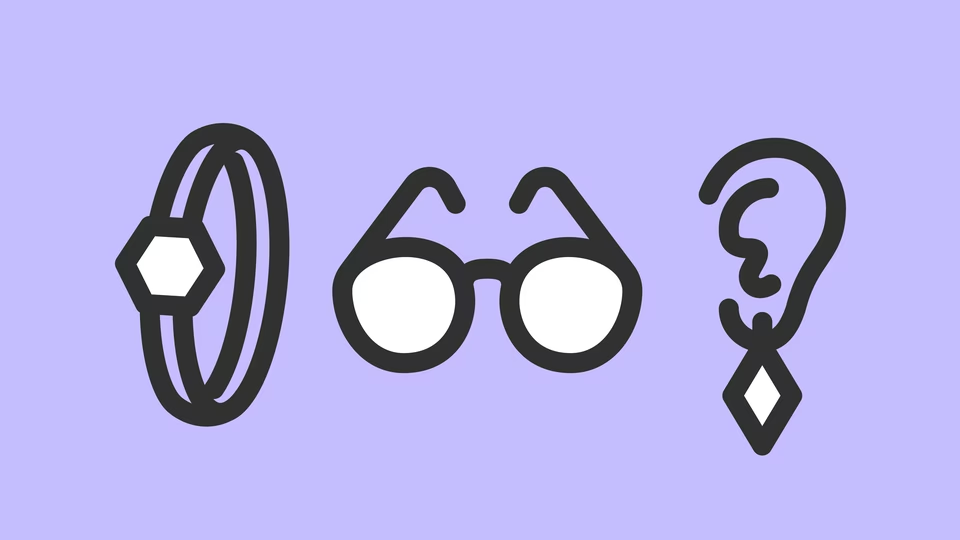
The New Wave of Wearables Trying to Replace Your Phone
Tech leaders are rolling out a new generation of AI-powered wearables:
- Smart glasses that let you take photos, answer questions, translate speech, or access an AI assistant hands-free.
- Wristbands that track subtle neural signals so you can control interfaces with micro-gestures.
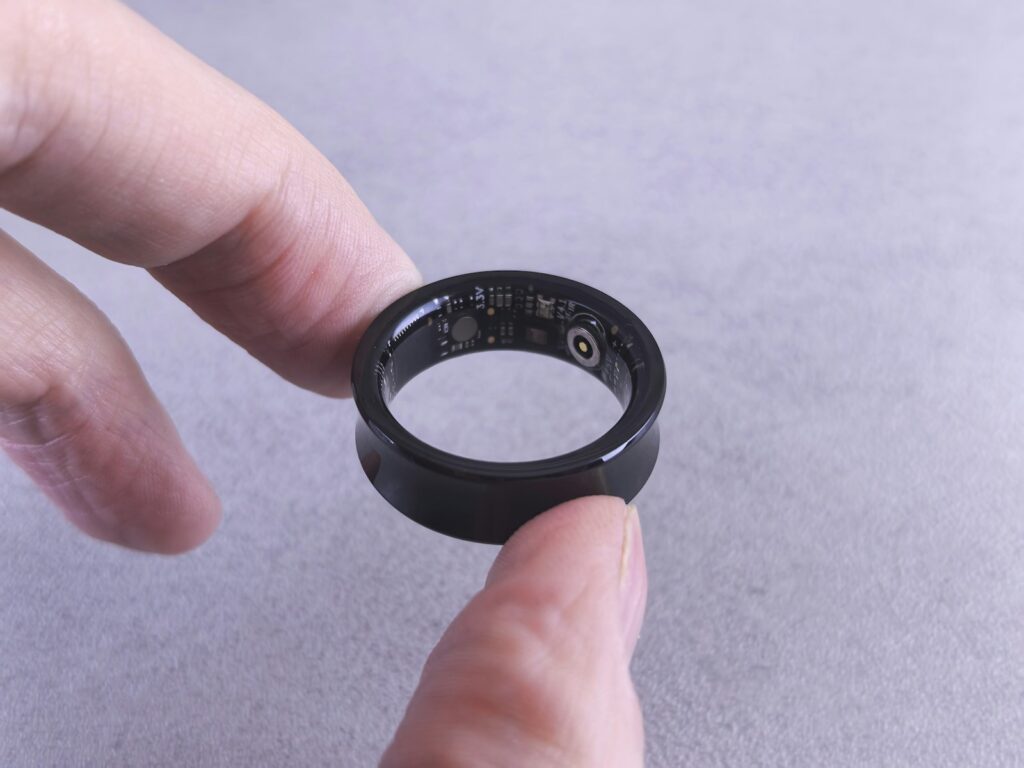
- Pendants and rings that act as voice-powered AI companions without a screen.
Their promise:
Goodbye screen addiction. Goodbye bulky phone. Hello seamless, invisible computing.
And yet… the real-world results are far from perfect.
Voice commands are inconsistent. Gesture navigation still feels experimental. Battery life struggles. And socially, many people still feel weird talking to themselves out loud or wearing always-on cameras.
What Most Articles Don’t Tell You
Here’s what’s really shaping the future of the “last device”—and why the road ahead is more complicated than companies admit.
1. A wearable isn’t useful without an entire ecosystem
Your phone works because it has a mature ecosystem: apps, developers, payment systems, messaging, cloud backup.
Wearables? Still early.
AI assistants can’t handle every task. Developers haven’t fully embraced screen-free interfaces. Everyday tasks (banking, editing documents, browsing) simply work better on phones—for now.
2. AI-first devices burn through battery
Continuous sensing, listening, computer vision, voice assistants, location tracking—these are battery killers.
Small devices + big AI workloads = short battery life.
Until power efficiency breakthroughs arrive, wearables can’t truly replace phones.
3. Social acceptance is a bigger barrier than technology
People don’t want to seem rude, creepy or disconnected.
Smart glasses with cameras face the same backlash Google Glass did.
Wearing a pendant that secretly listens can feel invasive—even if the tech is impressive.
Technology can evolve quickly. Social norms often change slowly.
4. Privacy concerns are just starting
A wearable that’s always listening, watching or tracking requires enormous trust in the company behind it.
Who stores the data?
Is it encrypted?
Is it shared with third parties?
How much control does the user really have?
These questions matter more than ever when a device becomes your constant companion.

5. Wearables will succeed in niches before they succeed everywhere
The first meaningful wins may not come from the everyday consumer market. Instead:
- Accessibility tools
- Real-time translation
- Medical monitoring
- Productivity for field workers
- Gym/training optimization
- Enterprise AR workflows
Only after these succeed will wearables attempt mainstream replacement.
6. The real disruption may be hybrid, not a full replacement
We may not ditch our phones.
Instead, wearables might take over friction-heavy tasks like:
- Taking quick notes
- Capturing moments hands-free
- Getting discreet notifications
- Real-time language help
- Quick AI queries
Phones then become secondary—used for heavier tasks.
So… Will Wearables Replace the Smartphone?
Not yet.
The dream is alive, but the execution isn’t there.
Smartphones have:
- Better UX
- Better app ecosystems
- Better input methods
- Better reliability
- Better social acceptance
- Better battery life
Wearables are exciting, but they’re not mature enough to dethrone such a deeply entrenched device.
The more realistic near-future?
Phones remain central, and wearables become powerful satellites around them.
Frequently Asked Questions
Q1. Could smart glasses actually replace my smartphone someday?
Possibly—but not until battery life, display tech, social acceptance and ecosystem support improve dramatically.
Q2. Why do companies keep trying to kill the smartphone?
Because whoever controls the next computing platform controls the next trillion-dollar tech ecosystem. Everyone wants that top spot.
Q3. Which wearables look most promising right now?
Smart rings and AI-powered wristbands—because they’re discreet, socially acceptable, and focus on narrow tasks that they perform well.
Q4. What stops wearables from going mainstream?
Short battery life, awkward voice interfaces, lack of apps, privacy fears, and the simple fact that phones already work extremely well.
Q5. Will phones eventually disappear?
Yes—eventually. But the timeline is likely measured in decades, not years. Wearables are still climbing the adoption curve.
Q6. Are wearables useful today?
Absolutely—for specific things like fitness tracking, notifications, translation, hands-free recording, and accessibility tasks.
Q7. What breakthrough would change everything?
A combination of:
- Lightweight AR displays
- Week-long battery
- Natural AI voice + gesture input
- Strong privacy controls
- A full app ecosystem
That combination could dethrone the smartphone.
Q8. Should I buy one now?
If you’re a tech enthusiast—sure.
If you’re hoping it will replace your phone—wait.
Q9. Will wearables get cheaper?
Yes. As components scale, battery tech improves, and competition increases, prices will fall.
Q10. Who will win the wearable race?
The winner will be the company that solves the ecosystem problem—not just hardware. That means great AI, great UX, privacy you trust, and a device people feel comfortable wearing in public.
Sources The Atlantic

