

For months, critics have warned that artificial intelligence is headed toward a bubble. Valuations are soaring, funding is pouring in, and AI is everywhere — from chatbots to robots to refrigerators.
Yet at CES 2026 in Las Vegas, one thing was strikingly absent: doubt.
Instead of caution, the world’s largest technology show was overflowing with confidence. AI wasn’t pitched as a speculative bet or futuristic gamble. It was presented as infrastructure — something inevitable, practical, and already embedded in real products.
The message from CES was clear:
The industry no longer sees AI as hype. It sees it as the foundation of the next tech era.
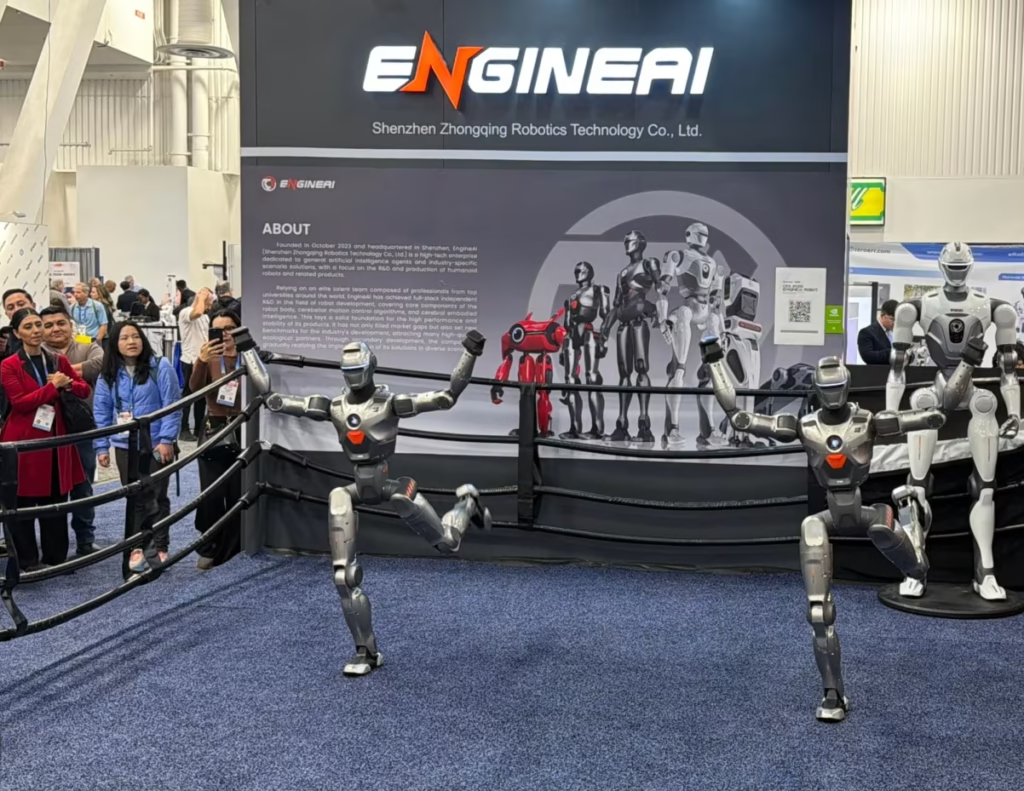
AI at CES: Not a Feature, but the Default
At earlier tech shows, AI was a buzzword attached to select products. In 2026, it was the baseline.
AI appeared in:
- Laptops and PCs
- Cars and autonomous systems
- Household appliances
- Medical and health tech
- Industrial automation
- Robotics and logistics
In many cases, AI wasn’t even highlighted — it was assumed.
That shift matters. When a technology becomes invisible, it’s usually because it’s no longer experimental.
Why No One at CES Seemed Worried About a Bubble
1. AI Is Already Generating Revenue
Unlike past tech bubbles, many AI products shown at CES are:
- Shipping now
- Integrated into existing platforms
- Producing measurable productivity gains
Companies aren’t betting on hypothetical use cases — they’re selling tools customers are already using.
2. AI Is Infrastructure, Not a Single Product
Bubbles tend to form around narrow innovations. AI, by contrast, spans:
- Hardware
- Software
- Cloud services
- Edge devices
- Enterprise systems
This diversification reduces the risk of a single point of failure.
3. Corporate Buyers Are Driving Demand
Much of the AI investment isn’t consumer hype — it’s enterprise spending.
Businesses are adopting AI to:
- Cut costs
- Address labor shortages
- Improve efficiency
- Stay competitive
That demand is more stable than consumer trends.
Why This AI Boom Feels Different From Past Ones
Lessons From the Dot-Com Era
The dot-com bubble collapsed because:
- Many companies had no revenue
- Infrastructure wasn’t ready
- Adoption lagged behind investment
AI, by contrast:
- Runs on mature cloud and chip infrastructure
- Is adopted incrementally
- Enhances existing workflows
The comparison isn’t perfect — but the foundation is stronger.
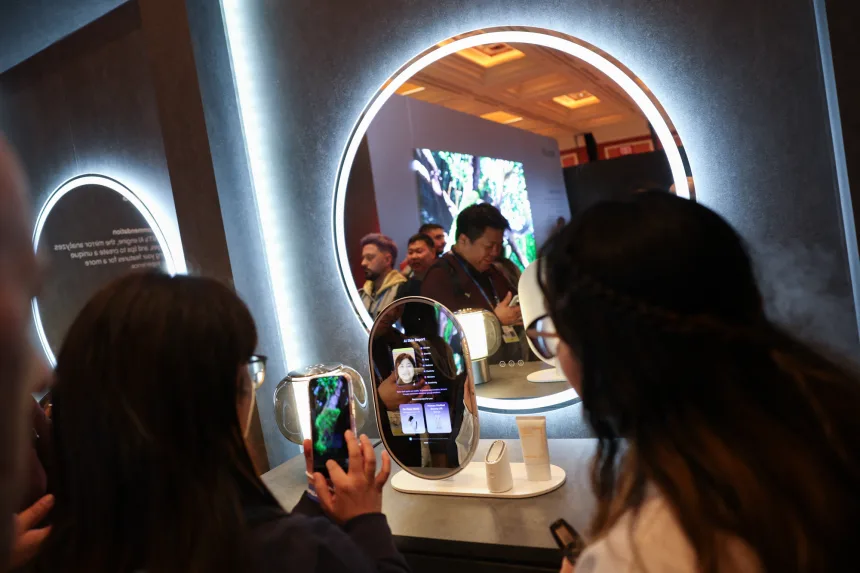
Incremental Adoption Reduces Shock
AI isn’t replacing everything overnight. It’s:
- Automating small tasks
- Assisting workers
- Improving processes gradually
This slow integration makes collapse less likely — but also harder to notice.
The Role of Hardware at CES
One reason confidence was so high is hardware readiness.
At CES 2026, companies showcased:
- AI PCs with on-device processing
- Energy-efficient AI chips
- Robotics hardware designed for real environments
- Sensors and edge computing platforms
This hardware makes AI cheaper, faster, and more reliable — turning ambition into execution.
Why Investors Still Feel Comfortable
Despite sky-high valuations in parts of the AI sector, many investors see:
- Broad demand across industries
- Clear productivity benefits
- Long-term labor and demographic pressures
- Governments and enterprises committing long-term budgets
This doesn’t eliminate risk — but it explains the optimism.
The Risks Everyone Knows — but Isn’t Focusing On
The lack of bubble fear doesn’t mean risks have vanished.
Key concerns remain:
- Overinvestment in similar AI startups
- Rising energy and infrastructure costs
- Regulatory uncertainty
- Workforce displacement
- Data privacy and safety
What’s notable is that these risks were discussed at CES as engineering and policy problems, not reasons to stop building.
Why “No Bubble Fear” Isn’t the Same as “No Bubble”
Confidence can be rational — but it can also become complacency.
AI could still face:
- Market corrections
- Consolidation
- High-profile failures
The difference is that even if some companies fail, AI itself is unlikely to disappear.
That’s a critical distinction.
What CES 2026 Actually Signals
CES didn’t say “AI will solve everything.”
It said something subtler — and more powerful:
AI is no longer optional.
Companies that ignore it risk falling behind. That pressure, more than hype, is driving adoption.
Frequently Asked Questions
Does this mean there is no AI bubble?
Not necessarily. Some companies may be overvalued, but the underlying technology has durable demand.
Why didn’t CES focus on AI risks?
Risks were discussed, but the event prioritizes products and deployment, not speculation.
How is this different from past tech hype cycles?
AI is being adopted incrementally across industries, not sold as a single revolutionary product.
Could AI investment still crash?
Yes — individual firms may fail, and valuations may correct. But AI as a category is likely to persist.
Who benefits most from this AI wave?
Companies that integrate AI into real workflows — not those chasing novelty.
What should consumers take away from CES?
AI will increasingly be built into products you already use — often without fanfare.
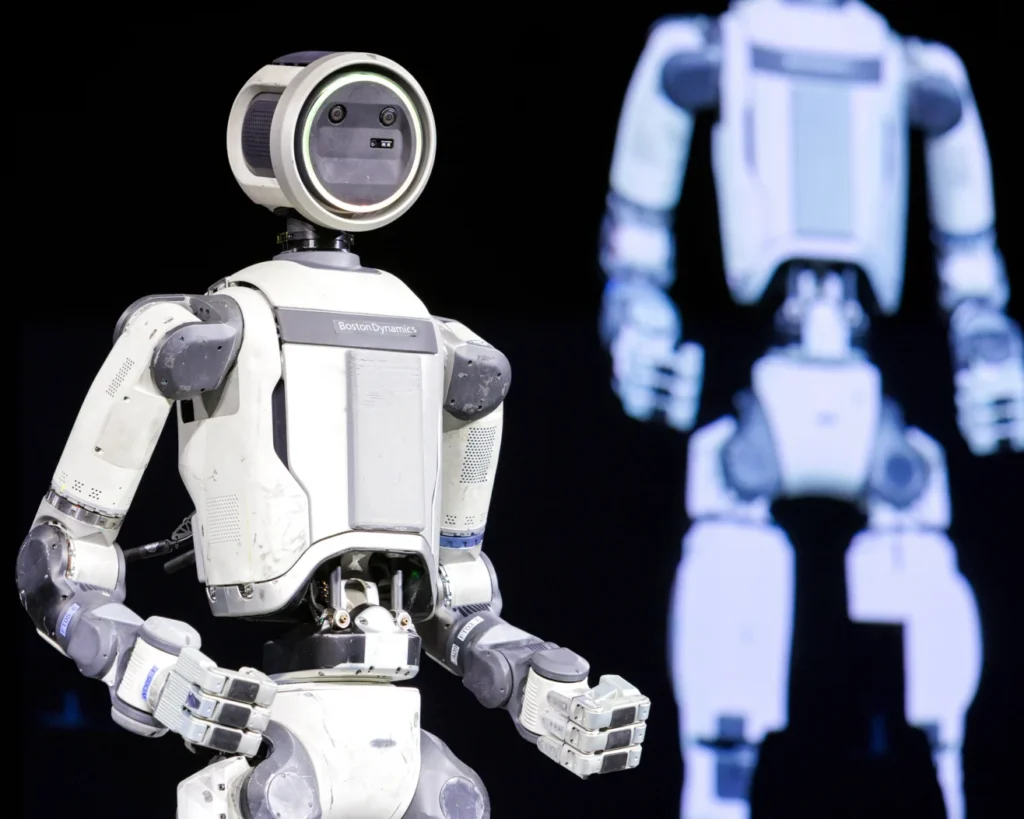
The Bottom Line
CES 2026 revealed an industry that no longer sees AI as a speculative gamble.
Instead, AI is treated like electricity, software, or the internet — a foundational layer that everything else builds on.
That doesn’t mean excess won’t be punished.
It doesn’t mean mistakes won’t be made.
But it does mean one thing is clear:
If an AI bubble exists, the people building the future don’t seem worried about it — because they’re already living in the AI era.
Sources CNN

