
Elon Musk’s decision to intertwine his rocket empire, SpaceX, with his artificial intelligence venture, xAI, ahead of a potential IPO is more than corporate reshuffling. It is a bold attempt to build a vertically integrated force that spans space, data, compute, and intelligence—and to position it as one of the most influential technology platforms of the next decade.
What looks like consolidation is actually a strategic escalation.
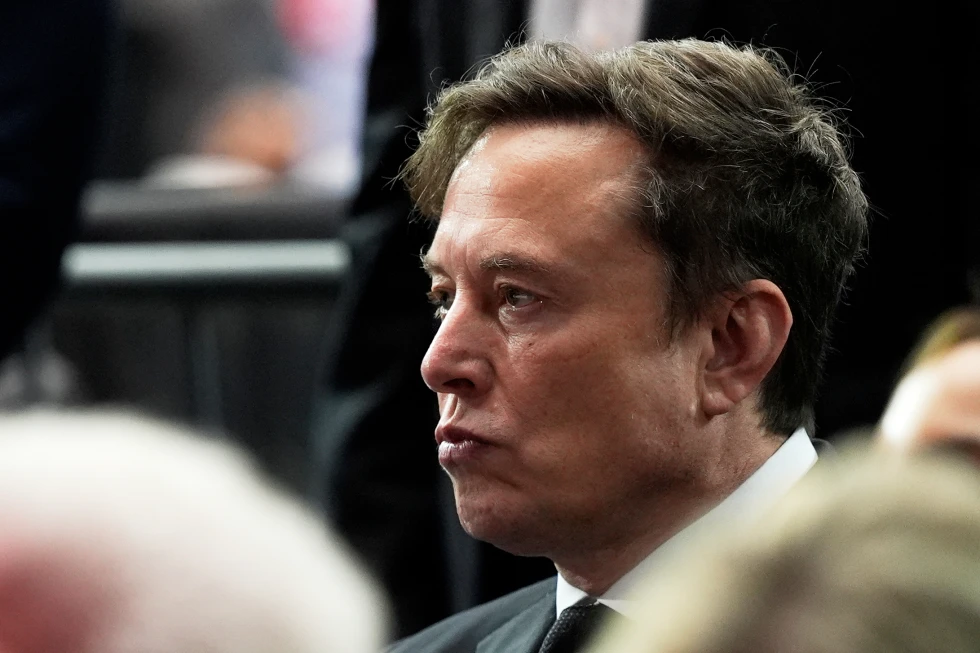
What’s Happening: SpaceX and xAI Move Closer Together
Reports indicate that Musk is combining key operations, resources, and strategic direction between SpaceX and xAI, two companies that already shared leadership, infrastructure, and vision. While they may remain legally distinct, the operational overlap is growing rapidly.
This alignment is expected to:
- Strengthen xAI’s access to massive computing power
- Give SpaceX advanced AI tools for satellite networks and space operations
- Create a unified narrative ahead of a potential public offering
In effect, Musk is building a single ecosystem spanning orbit and intelligence.
Why This Matters Beyond Musk
This move reflects a broader trend in tech: AI dominance increasingly depends on control over infrastructure, not just algorithms.
By linking:
- SpaceX’s satellite network (Starlink)
- Launch capabilities and orbital data
- xAI’s model development and compute needs
Musk is attempting to solve AI’s biggest bottlenecks—data, bandwidth, and power—inside one corporate universe.
Few companies can even attempt this.
How Space and AI Reinforce Each Other
The synergy isn’t theoretical.
Starlink as an AI Asset
Starlink’s global satellite network generates vast streams of real-time data—from traffic patterns to weather to communications usage. That data can train, test, and deploy AI systems at planetary scale.
AI for Space Operations
AI can:
- Optimize satellite routing
- Predict equipment failures
- Manage autonomous spacecraft
- Enhance launch efficiency and safety
The relationship is circular: space infrastructure feeds AI, and AI improves space infrastructure.
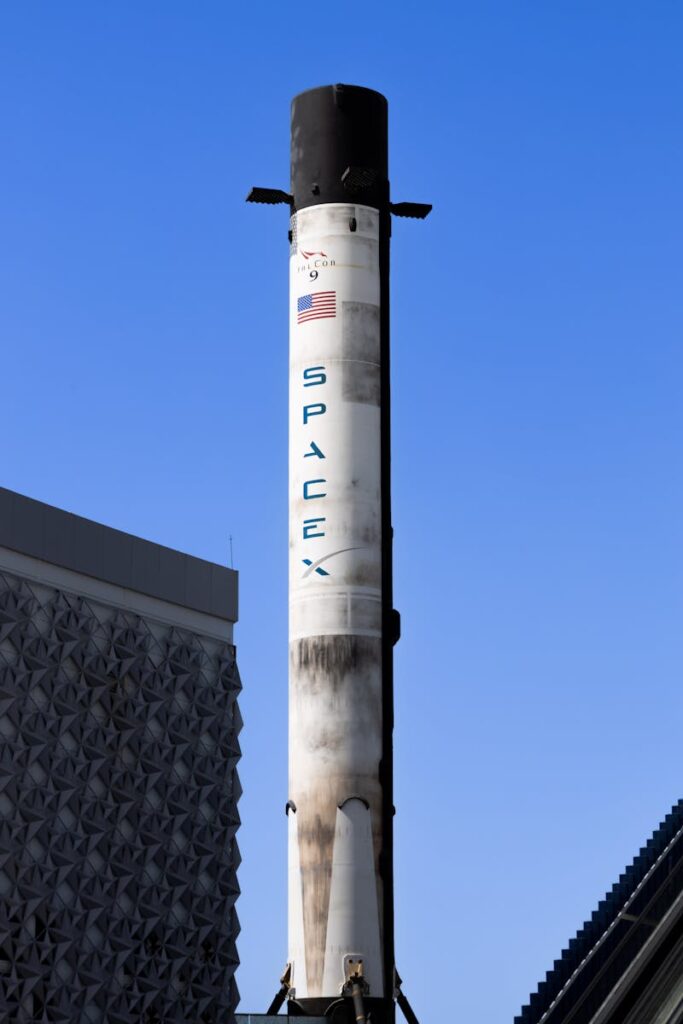
Why an IPO Changes the Equation
An IPO would:
- Provide massive capital for compute, satellites, and expansion
- Give public investors exposure to a combined space-AI vision
- Lock in Musk’s long-term strategy under market scrutiny
However, it also introduces risks:
- Regulatory oversight
- Disclosure requirements
- Investor skepticism about complexity and concentration of power
Public markets reward clarity—and punish ambiguity.
What the Original Coverage Often Misses
This Is About Vertical Control
Musk is not just building products; he’s consolidating layers of the stack—from launch to data to intelligence.
It Reduces Dependence on Rivals
By integrating internally, Musk reduces reliance on cloud providers, telecom firms, and external AI platforms.
It Raises Geopolitical Stakes
A privately controlled, AI-enhanced satellite network has national security implications that governments will scrutinize closely.
It Resembles a Modern Conglomerate
This isn’t a typical startup story—it’s closer to a 21st-century industrial empire.
Risks Investors and Regulators Will Watch Closely
- Regulatory pushback over market concentration
- National security concerns tied to satellite data and AI
- Governance questions about Musk’s control across entities
- Execution risk from managing such complexity
Combining space and AI multiplies both upside and downside.
How This Fits Musk’s Broader Vision
Musk has long argued that:
- Humanity must become multiplanetary
- AI is the most powerful—and dangerous—technology ever created
- Control over intelligence infrastructure determines the future
By linking SpaceX and xAI, he is aligning those beliefs into one strategy: own the pathways through which intelligence moves—on Earth and beyond.
What This Means for the AI and Space Industries
Competitors now face a different kind of rival:
- One with its own launch systems
- Its own global communications network
- Its own AI models and compute strategy
This could accelerate consolidation—or provoke stronger regulation.
Frequently Asked Questions
Are SpaceX and xAI officially merging?
Not formally, but operational and strategic integration is increasing significantly.
Why combine space and AI businesses?
Because AI depends on data and infrastructure, and space assets generate both.
Is this mainly about an IPO?
An IPO is likely a factor, but the integration supports long-term strategic control.
What are the biggest risks?
Regulatory scrutiny, governance concerns, and operational complexity.
How does this compare to other tech giants?
Few companies control both physical infrastructure and AI at this scale.
Could governments intervene?
Yes—especially where national security and communications are involved.
The Bottom Line
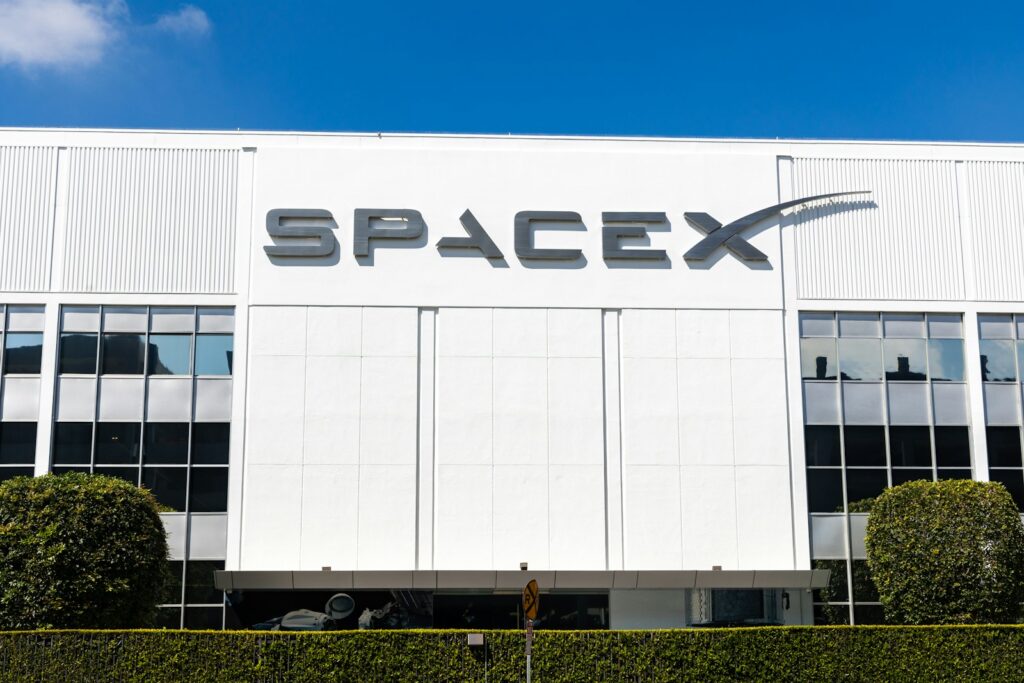
Elon Musk isn’t just preparing companies for an IPO—he’s assembling a vertically integrated power structure for the AI age.
By combining rockets, satellites, data, and artificial intelligence, Musk is betting that the future belongs to those who control not just smart software, but the physical systems that feed it. Whether this vision becomes a triumph or a regulatory flashpoint will shape not only Musk’s legacy—but the balance of power in the next phase of global technology.
This isn’t just Musk Inc.
It’s a preview of how intelligence itself may be industrialized.
Sources AP News

