
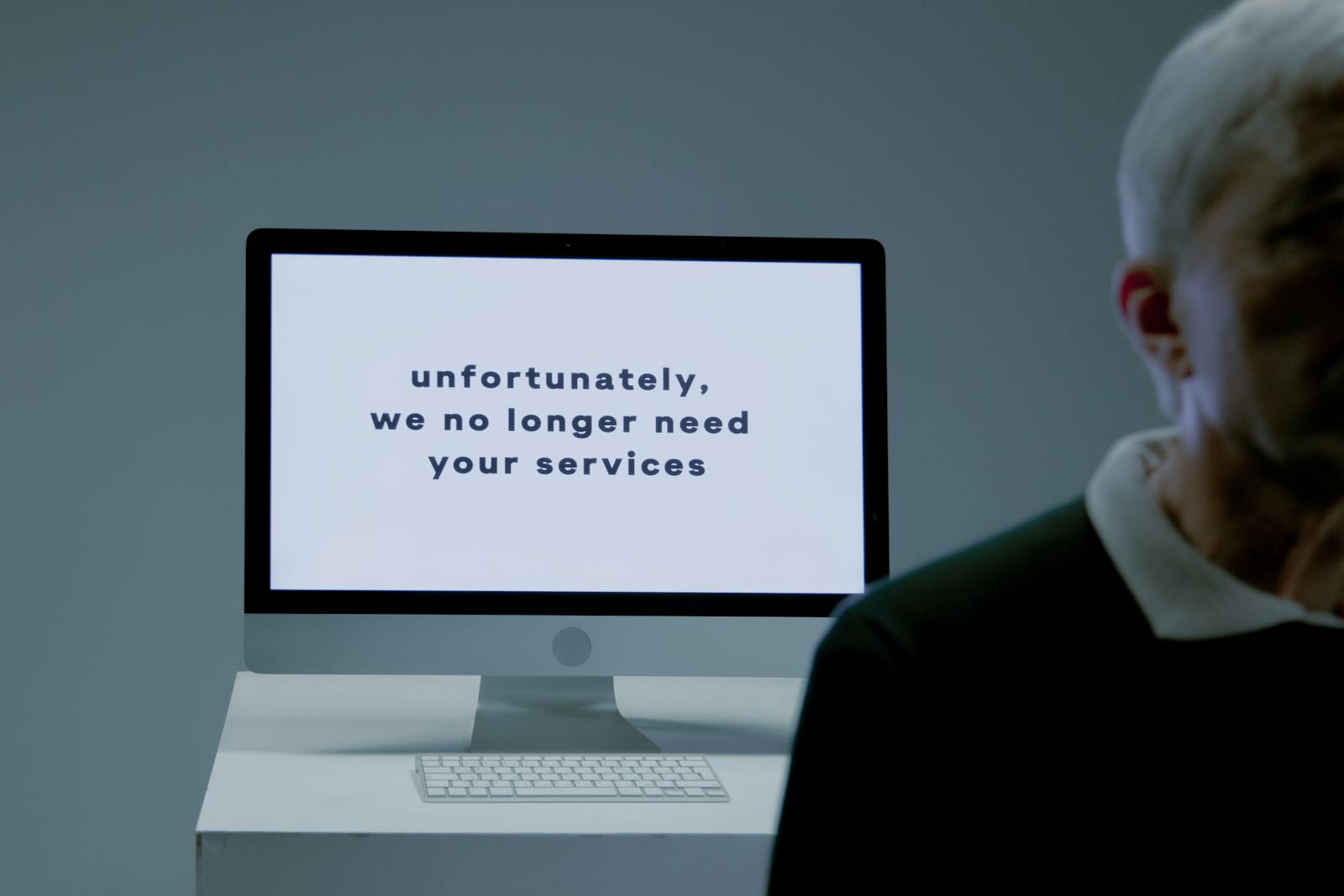
In 2025, artificial intelligence crossed a psychological line in the workplace. For the first time, major companies openly blamed AI for large-scale job cuts — more than 50,000 layoffs in a single year.
Executives didn’t hide behind vague phrases like “restructuring” or “market conditions.” They said it plainly: AI made certain roles unnecessary.
But the real story isn’t just about jobs disappearing. It’s about how work itself is being redesigned — often faster than workers can adapt.

Why Companies Pointed to AI This Time
Automation has existed for decades, but 2025 felt different. AI had matured enough to make layoffs feel inevitable rather than experimental.
1. AI Became Cheap, Fast, and Reliable
AI tools reached a point where they could consistently handle:
- customer service chats
- routine coding and testing
- content moderation
- basic data analysis
Once reliability improved, entire teams were re-evaluated.
2. Investors Rewarded AI Cost-Cutting
Markets responded positively to companies that:
- reduced headcount
- increased AI spending
- promised higher productivity per worker
In many cases, layoffs were framed as proof of “AI leadership.”
3. Smaller Teams, Same Output
Many firms discovered they could maintain performance with fewer employees — as long as the remaining staff worked alongside AI.
The goal wasn’t full automation. It was leaner operations.
Which Jobs Were Most Affected
AI-linked layoffs followed a clear pattern.
Hardest-Hit Roles
- customer support representatives
- junior developers
- QA testers
- content and marketing staff
- entry-level data analysts
These jobs often involved predictable, repeatable tasks.
More Secure Roles
- senior engineers and architects
- AI system designers
- roles requiring complex judgment
- jobs centered on human relationships
AI didn’t eliminate human work — it redefined where humans were most valuable.

What Companies Didn’t Always Say Out Loud
Public statements focused on innovation. Internally, the picture was messier.
AI Was Sometimes a Convenient Cover
In many cases, layoffs were already likely due to:
- overhiring during earlier tech booms
- slowing growth
- shifting priorities
AI made the cuts sound strategic instead of reactive.
Pressure Increased on Remaining Employees
After layoffs, workloads rarely shrank.
Employees were expected to:
- supervise AI tools
- fix AI mistakes
- deliver more with fewer colleagues
Burnout became a quiet side effect.
Why This Automation Wave Feels Different
Compared to past job disruptions, this one stands out.
- Speed: changes happened in months, not years
- Scope: white-collar jobs were heavily affected
- Scale: one AI system could replace thousands of task-hours
- Openness: companies openly credited AI
Adaptation windows became much shorter.
Is AI Really “Taking Jobs”?
The honest answer is both yes and no.
AI directly removed some roles. More often, it:
- shrank teams
- changed job expectations
- raised output targets
The job didn’t disappear — the old version of the job did.
Workers who learned to supervise, customize, or collaborate with AI were far more likely to stay employed.
The Growing Skills Gap
One issue received less attention: retraining.
Many laid-off workers found that:
- new AI-adjacent roles required different skills
- retraining programs lagged behind demand
- companies preferred hiring AI-ready workers over retraining existing staff
This widened inequality between adaptable workers and everyone else.
What This Means for 2026 and Beyond
AI-driven layoffs are unlikely to stop.
What’s more likely:
- constant job churn rather than mass unemployment
- smaller teams with higher expectations
- growing demand for AI-literate workers
- more pressure on governments to support reskilling
Work isn’t disappearing — it’s becoming less forgiving.
Frequently Asked Questions
Did AI really cause over 50,000 layoffs?
AI was a direct or contributing factor in many cases, though some cuts were accelerated by other issues.
Which companies cut the most jobs?
Large tech firms and digital-first companies led the trend.
Is AI replacing all workers?
No. It’s replacing tasks and shrinking teams.
Who is most at risk?
Roles with repetitive, predictable workflows.
Can reskilling protect workers?
Yes — if training aligns with real market needs.
Are these jobs coming back?
Some won’t, but new AI-related roles are emerging.
Is this like past automation waves?
No. This one is faster and affects white-collar work.
Are companies required to retrain employees?
In most cases, no.
Will AI create more jobs than it destroys?
Possibly, but the transition will be uneven.
What’s the main lesson?
AI is reshaping work faster than workers can adapt.
Bottom Line
The 2025 layoff wave wasn’t just about cost cutting. It marked a shift in how companies define efficiency, productivity, and human value.
AI didn’t end work — it raised the bar. For workers, survival now depends less on job titles and more on adaptability.
The future of work isn’t jobless.
But it’s far less predictable — and far more demanding — than before.
Sources CNBC

