

Walk into a modern retail store or visit a large online shop today, and artificial intelligence is likely shaping your experience — often without you noticing.
From personalized recommendations and dynamic pricing to inventory forecasting and cashier-less checkout, tech firms are aggressively pushing retailers to embed AI into nearly every part of their business. The pitch is compelling: higher efficiency, better margins, fewer labor shortages, and happier customers.
But beneath the promise lies a deeper transformation — one that raises questions about cost, control, data, and who truly benefits when AI becomes retail’s invisible operating system.
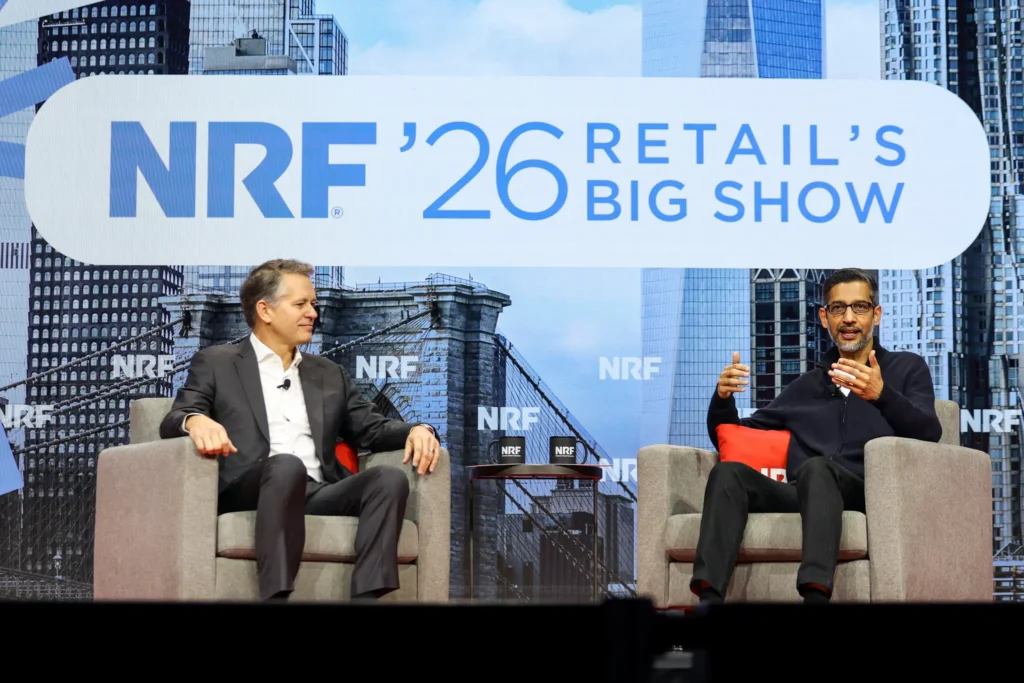
Why Tech Firms Are Targeting Retail So Aggressively
Retail is one of the largest, most data-rich industries in the world. Every transaction produces:
- Purchase histories
- Foot traffic patterns
- Inventory movement
- Customer behavior signals
For tech firms, this makes retail an ideal AI playground.
AI vendors argue that retailers are:
- Operating on thin margins
- Managing massive complexity
- Struggling with labor shortages
- Under pressure from e-commerce giants
AI, they say, is no longer optional — it’s survival infrastructure.
Where AI Is Being Deployed in Retail
AI is spreading across retail operations faster than many shoppers realize.
Common use cases include:
- Personalized recommendations online and in stores
- Dynamic pricing that adjusts based on demand and behavior
- Inventory forecasting to reduce stockouts and overstock
- Computer vision for theft detection and cashier-less checkout
- Chatbots and virtual assistants for customer service
- Labor scheduling optimization to reduce staffing costs
The result is a retail experience that is increasingly algorithm-managed from end to end.
The Business Case Retailers Are Being Sold
Tech firms emphasize three core benefits:
1. Cost Reduction
AI promises fewer wasted hours, fewer mistakes, and lower labor expenses.
2. Revenue Growth
Personalization and pricing optimization aim to increase basket size and conversion rates.
3. Speed and Scale
AI allows retailers to respond to trends, supply shocks, and demand shifts faster than human teams alone.
For executives under pressure, the appeal is obvious.
What Often Gets Overlooked
AI Doesn’t Eliminate Complexity — It Shifts It
Retailers still need:
- Clean, accurate data
- Trained staff
- Ongoing system oversight
AI adds a new layer of technical dependency rather than removing old problems.
Vendor Lock-In Is a Growing Risk
Many AI systems are proprietary and deeply embedded. Once adopted:
- Switching providers is costly
- Data portability is limited
- Pricing power shifts to tech vendors
Retailers risk becoming operators of platforms they don’t control.
Labor Impacts Are Uneven
While AI can reduce repetitive tasks, it can also:
- Increase worker surveillance
- Deskilling certain roles
- Shift pressure onto remaining staff
Productivity gains don’t always translate into better working conditions.
What This Means for Shoppers
From the consumer perspective, AI can feel convenient:
- More relevant recommendations
- Faster checkout
- Better product availability
But it also raises concerns:
- Personalized pricing that isn’t transparent
- Constant behavioral tracking
- Reduced human interaction
- Less room for browsing or serendipity
Shopping becomes optimized — but also more controlled.
The Power Shift Behind the Scenes
As AI becomes embedded, power shifts:
- From store managers to algorithms
- From retailers to tech providers
- From human judgment to automated systems
Retailers may gain efficiency — but lose autonomy.
Why Tech Firms Are So Persistent
AI companies aren’t just selling tools. They’re selling:
- Ongoing subscriptions
- Cloud compute
- Data services
- Long-term integration
Retail AI is recurring revenue at massive scale.
This makes persuasion relentless — and resistance difficult.
What the Original Coverage Didn’t Fully Explore
Several broader implications deserve attention:
Privacy and Consent
Shoppers often don’t know how much data is collected — or how it’s used.
Regulatory Blind Spots
Retail AI often falls between consumer protection and data regulation frameworks.
Inequality
Large chains can afford AI. Small retailers often can’t, widening competitive gaps.
Resilience
AI-optimized systems can be brittle when faced with unexpected disruptions.
Is AI Inevitable in Retail?
In many ways, yes — but the form it takes is still negotiable.
Retailers can:
- Use AI selectively, not everywhere
- Prioritize transparency and fairness
- Keep humans in decision-making loops
- Resist full automation where it harms trust
AI is a tool — not a destiny.
Frequently Asked Questions
Why are tech companies pushing AI so hard in retail?
Retail offers massive data, recurring revenue, and large-scale deployment opportunities.
Does AI actually improve retail performance?
Sometimes. Results depend heavily on execution, data quality, and oversight.
Will AI replace retail workers?
Some tasks will be automated, but many roles will shift rather than disappear.
Can AI lead to higher prices?
Yes — especially with dynamic pricing, unless regulated or constrained.
Do shoppers benefit from AI?
They gain convenience, but often at the cost of transparency and privacy.
Can retailers say no to AI?
In theory, yes. In practice, competitive pressure makes refusal difficult.

The Bottom Line
Tech firms are convincing retailers that AI belongs everywhere — from pricing and inventory to staffing and surveillance.
The promise is efficiency.
The risk is dependency.
As retail becomes increasingly algorithm-driven, the key question isn’t whether AI will be used — but who controls it, who benefits from it, and who pays the hidden costs.
The future of retail may be powered by AI —
but whether it remains human-centered is still an open choice.
Sources The New York Times

