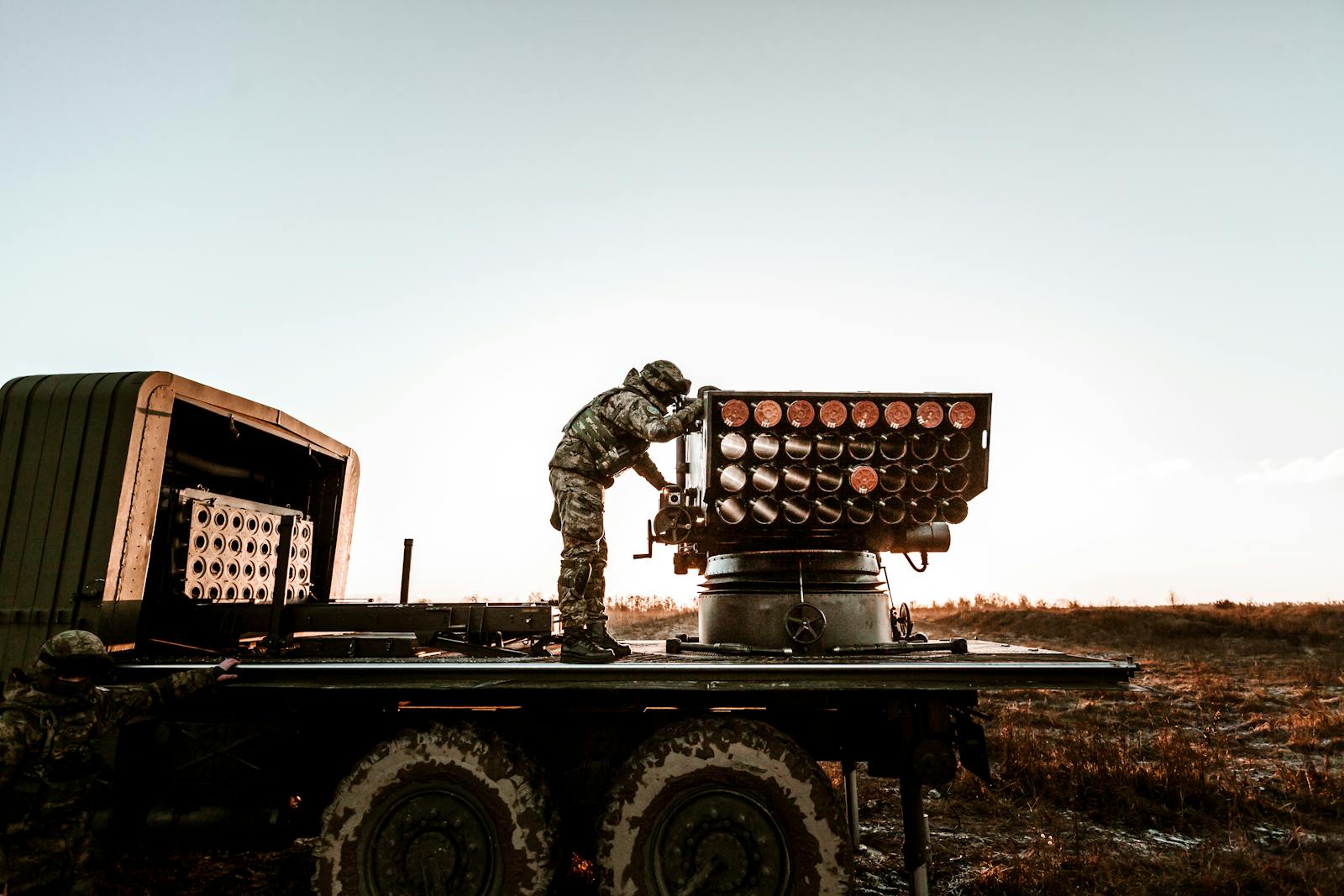
The age of AI-driven warfare isn’t tomorrow—it’s now. As artificial intelligence becomes embedded in military strategy, decision-making, logistics and even targeting, the very nature of conflict is shifting. What used to rely solely on manpower, tanks and bombs is being reshaped by algorithms, data, sensors and autonomy.
Here’s what’s happening—and what we need to watch.
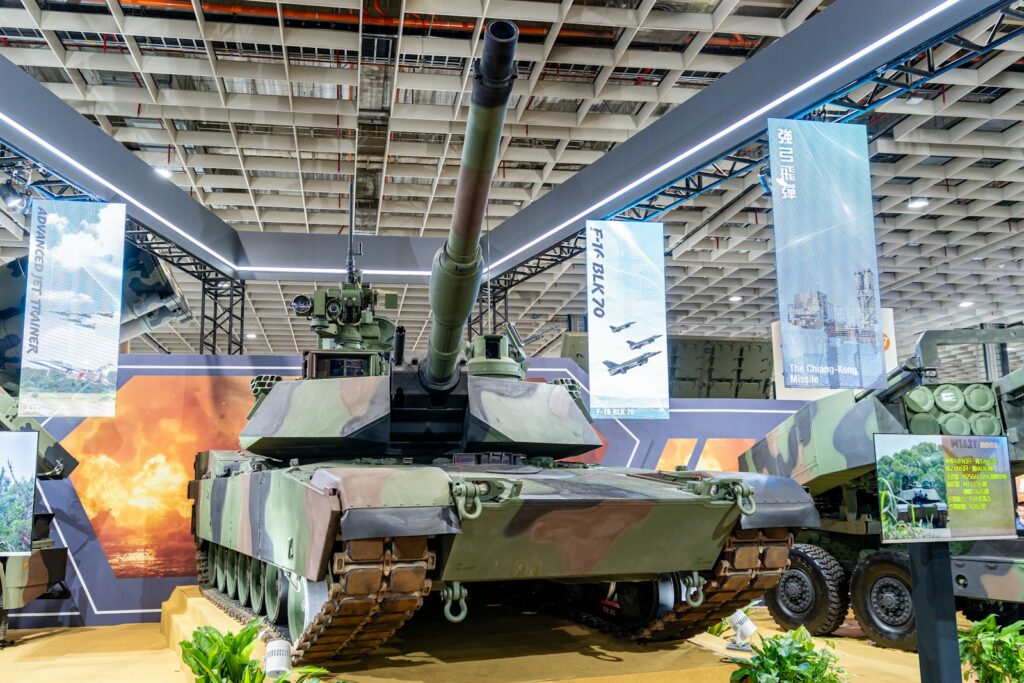
🧭 What’s Changing in Warfare
1. Decision Speed and Weight
AI accelerates the battlefield clock. Detection, analysis, target selection, threat response—all happen faster. In some cases milliseconds matter. With algorithms feeding into command-chains, human decision windows shrink and the pace of engagement increases.
2. Expanded Domains: Cyber, Logistics, Information
War is no longer just bombs and bullets. AI now plays major roles in:
- Logistics optimisation (moving supplies, avoiding detection)
- Cyber-attacks and defence (AI-driven intrusion, disruption)
- Information warfare (deep-fakes, synthetic media, social-manipulation)
- Autonomous platforms (drones, loitering munitions, robot squads)
3. Data as Weapon & Terrain
In AI-war, data is a key asset: surveillance feeds, sensor networks, communications intercepts, satellite imagery. Control over data, connectivity and compute becomes as important as control of territory. The “edge” isn’t just geography—it’s information flow.
4. Autonomy & Human-Machine Teaming
Fully autonomous lethal systems remain controversial and rare. But partial autonomy—AI assisting human decisions, targeting support, unmanned platforms—is widespread and growing. The combination of human oversight with machine speed is becoming the default model.
5. Asymmetric Advantage & Lower Entry Costs
AI platforms can give smaller actors asymmetric capabilities. Cheap drones, semi-autonomous systems, information-operations tools shrink the gap between major and minor powers. Conflict may become more frequent because the cost of entry is lower.
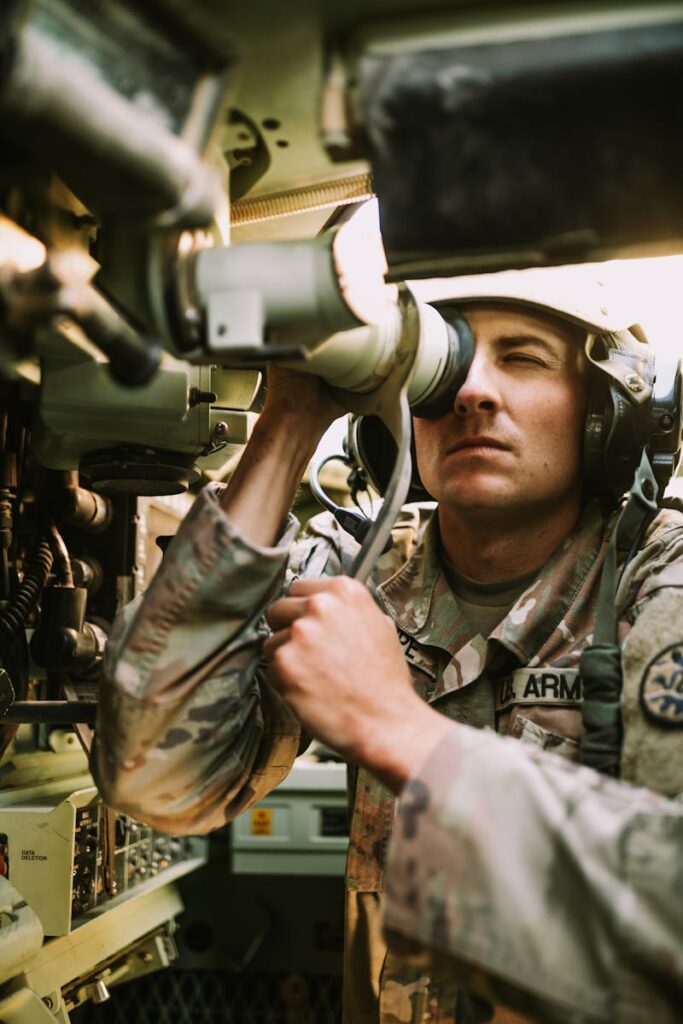
📋 What the FT Article Covered — and What It Left Out
Covered
- The shift in doctrine: how AI is changing the nature of war.
- Ethical concerns: autonomy, escalation, human control.
- Financial/industrial angle: defence firms, AI research, budgets.
Expanded on in this article:
- Supply-chain and infrastructure dependencies: The chip shortage, power & cooling for AI systems, data-centre terrain matter in war.
- Talent & research competition: Who is designing the models that drive defence AI—universities, labs, commercial firms—and how that shapes national capability.
- Regulatory and treaty gaps: Existing arms-control treaties don’t fully cover AI-enabled systems or decision-support algorithms.
- Information & cognitive domains: Many wars will be fought not just on land/sea/air, but in perception, data-space, social networks.
- Non-state actors & proliferation: How AI tools leak to non-state groups, insurgents or proxies, making the battlefield more diffuse.
- Human cost & accountability: As AI assists or takes on parts of the kill chain, questions of responsibility—who is accountable—rise.
- Environmental & resource implications: Large AI platforms consume power, require rare materials, lie in data-grid terrain—wars may shift to infrastructure, not just frontline.
🧠 Why This Matters for the Future of Conflict
- Escalation risk: Faster decision cycles and autonomous agents increase risk of unintended escalation.
- Deterrence challenged: The model of “costly human casualties” has been a brake on war. If machines replace humans, normal deterrents may change.
- Access & proliferation: Lowering barrier means more actors can wage high-impact conflict with fewer resources.
- Legal/ethical vacuum: Existing conventions on war may struggle to keep up. How do you regulate an algorithm that decides to strike?
- Society & policy shock: Citizens will face changed warfare modes—drone swarms, AI-mediated intelligence, cognitive operations targeting populations. Governments must adjust.
❓ Frequently Asked Questions (FAQs)
Q1: Does AI mean wars will be fought with robots only?
No. At present, AI augments rather than replaces humans in most military operations. Fully autonomous lethal systems are still very rare and subject to strict debate and regulation.
Q2: Is this just about major powers (U.S., China, Russia)?
Not only. While major powers lead, many smaller states and non-state actors are adopting AI tools (drones, cyber systems, intelligence automation) making warfare more accessible and diffuse.
Q3: What are the biggest risks of AI in war?
Some major risks: unintended escalation (machines act too fast), bias and error in targeting systems, accountability gaps (who is responsible?), disruption of deterrence models, infrastructure vulnerabilities (AI systems require power/data).
Q4: Can international law handle AI-driven warfare?
Current frameworks (Geneva Conventions, arms treaties) were designed for humans and conventional weapons. They are challenged by AI systems that blur roles, reduce human decision-making and act at machine-speed. New treaties or norms may be needed.
Q5: How can nations prepare or defend against AI warfare?
Defensively, nations need: resilience in data/infrastructure, cyber-capability, robust oversight of AI in militaries, integration of civilian protection into AI systems, investment in detection of AI-driven threats (drone swarms, information operations).
Q6: Are there opportunities for peace via AI?
Yes. AI can improve logistics, humanitarian support, monitoring, early-warning systems and crisis prediction. However, the same capabilities that enable peace can enable conflict—so governance is critical.
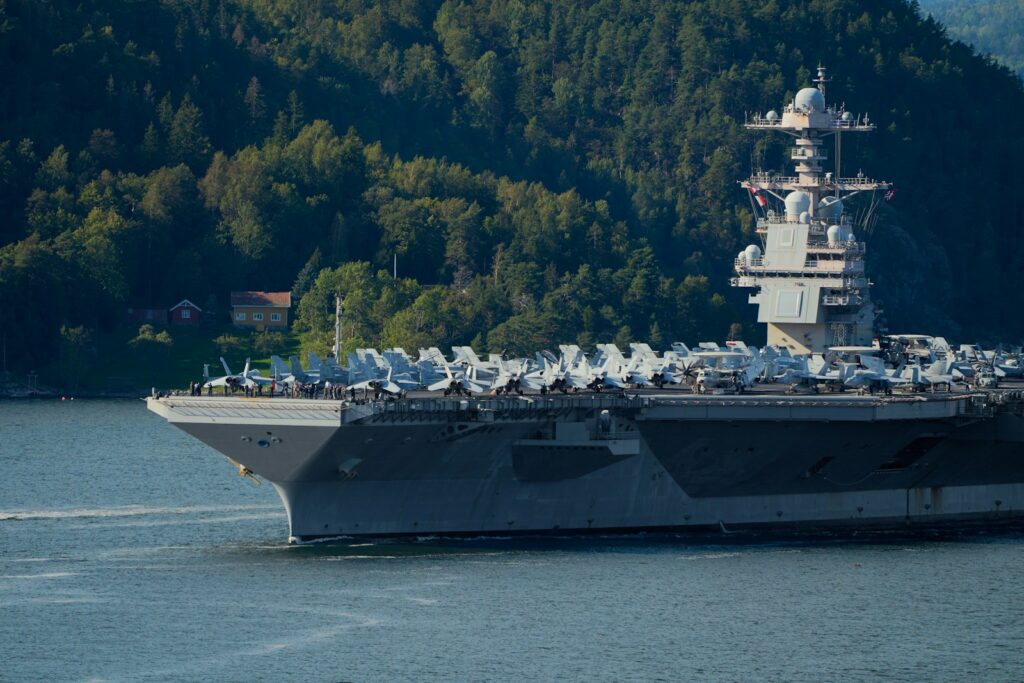
✅ Final Thoughts
The “new rules” of war are not coming—they’re already here. AI is no longer just an accessory to conflict—it’s shaping how wars are planned, how decisions are made and how battles are fought.
In this shifting landscape, what matters most is less about the size of armies or the number of tanks—and more about who controls the data, the algorithms, the drones and the decision-loops.
If we can steer this transformation wisely, we might reduce the human toll of conflict. But if we leave regulation, oversight and ethics behind, we risk opening a darker chapter in the history of warfare.
Now is the time to align the rules of war with the technology of war.
Sources Financial Times