
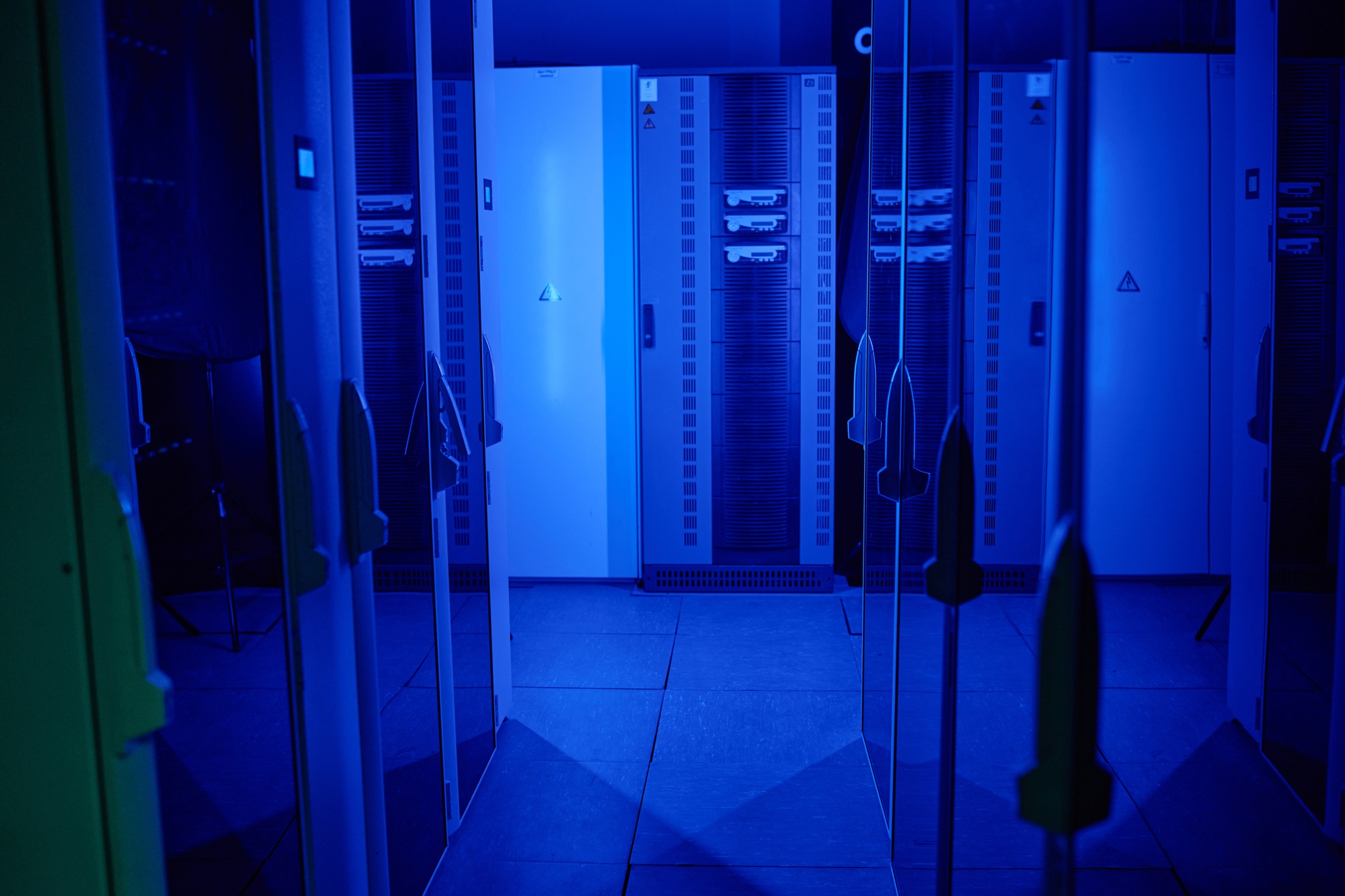
AI datacenters power everything from chatbots to autonomous vehicles. But a recent report reveals a startling truth: every single facility running advanced AI workloads could be compromised by Chinese espionage—through hardware backdoors, insider threats, and supply-chain weaknesses.

Why AI Datacenters Are High-Value Targets
- Crown-Jewel Compute
AI training requires massive clusters of GPUs and specialized networking gear. Stealing model weights or training data can shortcut research and reveal proprietary algorithms. - Critical Infrastructure
Many AI hubs support healthcare, finance, and defense applications. A breach here isn’t just data loss—it’s a national-security risk. - Soft Targets
Rapid AI growth has outpaced security. Datacenters often reuse default credentials, run outdated firmware, or lack proper network segmentation.
Hidden Vulnerabilities the Report Missed
- Supply-Chain Backdoors
Servers, switches, and even power supplies sometimes come from vendors with links to state-owned enterprises. Hidden microcode or malicious firmware can give attackers persistent access. - Insider Recruitment
Low-level staff—maintenance crews, contract cleaners—often have unmonitored physical access and weak background checks. Social engineering can turn them into unwitting moleholes. - Remote Management Risks
IPMI interfaces and BMC controllers, meant for out-of-band management, frequently use default credentials and unencrypted channels, making silent takeover trivial. - Lack of Hardware Attestation
Without secure boot and cryptographic verification, rogue components slip in unnoticed. AI workloads end up running on tampered silicon.
How to Lock Down Your AI Fortress
- Zero-Trust Network Segmentation
Treat every server and service as untrusted. Microsegment AI clusters from corporate and internet-facing networks. - Strict Hardware Attestation
Require cryptographic proof of firmware integrity on every device—servers won’t boot on unverified components. - Rotate and Vault Credentials
Eliminate default accounts. Store keys in hardware security modules (HSMs) with automated rotation. - Insider Threat Programs
Vet all personnel, monitor physical access logs, and run random audits of on-site contractors. - Continuous Firmware Audits
Scan for anomalies in BIOS/UEFI and firmware images. Subscribe to vendor security bulletins and patch within 24 hours.
Conclusion
If you don’t lock down every layer—hardware, network, people—your AI datacenter remains an open invitation to espionage. The stakes have never been higher: this is why you need a defense-in-depth strategy now.

🔍 Top 3 FAQs
1. Why is Chinese espionage focused on AI datacenters?
Because gaining access to cutting-edge AI models and data accelerates their own research and gives them a geopolitical edge.
2. Can cloud providers guarantee immunity?
No. Even top clouds face supply-chain and insider risks. You must enforce your own zero-trust and attestation measures.
3. What’s the first step to improve security?
Begin with a full inventory of all hardware and firmware versions, then implement hardware attestation and patch management immediately.
Sources TIME


I like what you guys are up too. Such clever work and reporting! Carry on the excellent works guys I’ve incorporated you guys to my blogroll. I think it’ll improve the value of my web site 🙂