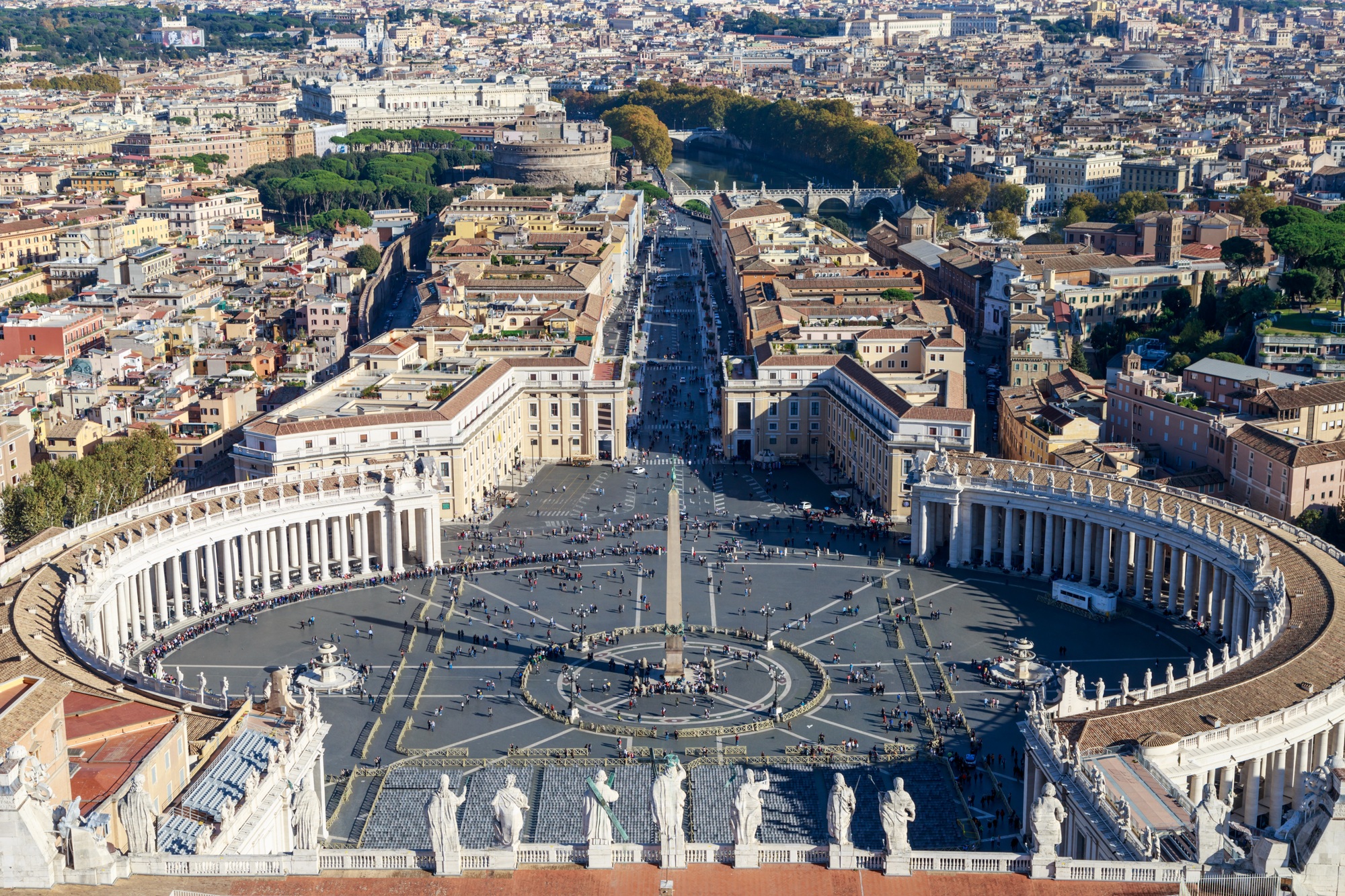
As the AI revolution accelerates, a surprising global voice has stepped into the conversation—not from Silicon Valley, but from Vatican City. The Catholic Church is offering one of the most thoughtful, human-centered approaches to artificial intelligence the world has yet seen.
In an age dominated by algorithms and data, the Church is asking a profound question: How can we ensure AI serves—not replaces—humanity?

🌍 Faith Meets Technology: A Moral Awakening
In a historic gathering in Hiroshima, representatives from 11 world religions—including Catholicism, Islam, Hinduism, and Buddhism—signed the Rome Call for AI Ethics, calling for a future where artificial intelligence respects human dignity, protects the vulnerable, and avoids becoming a tool for destruction.
To the Vatican, AI isn’t just a tool—it’s a test of our moral compass.
🧠 Why the Church Compares AI to the Renaissance
The Vatican likens today’s AI era to the Renaissance: a time of profound disruption that reshaped the world’s social, economic, and spiritual foundations. As AI begins to influence work, health, education, and even war, the Church believes it must offer guidance—not opposition.
This is a “change of era,” not just an era of change.
✝️ The Vatican’s Ethical Blueprint for AI
In early 2025, the Vatican released a guiding document called “Antiqua et Nova” (Old and New), urging that AI:
- Supports human flourishing, not economic exploitation
- Enhances jobs, education, and healthcare—not replaces them
- Is regulated to avoid bias, surveillance, and violence
- Reflects spiritual and moral responsibility—not just technical accuracy
At the heart of this is the Church’s belief that technology must always serve the human person—not the other way around.
🤝 Vatican and Big Tech: A Dialogue, Not a Battle
You might be surprised to know the Church isn’t waging war against technology—it’s hosting open dialogues with Google, Meta, Palantir, and Anthropic. These conversations are shaping global discussions on AI’s ethical guardrails, from facial recognition to autonomous weapons.
🔐 “Algorethics”: A New Word for a New World
Coined by Pope Francis, “algorethics” combines “algorithms” and “ethics.” It’s a call for AI systems that are transparent, inclusive, and guided by conscience. No, it’s not about religious doctrine—it’s about protecting human values in a machine-led future.
🙏 What the Church Wants You to Remember About AI
- You are not data. Every person has intrinsic dignity.
- Not all progress is good. AI should be evaluated by how it improves lives, not just how fast it runs.
- Don’t outsource your morality. Machines can simulate judgment—but they don’t have wisdom.
💬 FAQs: What People Are Asking
Q: Is the Church against AI?
No. It embraces innovation—but insists it must be ethically grounded and serve the common good.
Q: What’s the biggest AI concern for the Church?
That AI could undermine human agency, create digital inequalities, or be weaponized without accountability.
Q: Does the Church believe AI can have a soul?
Absolutely not. AI lacks consciousness, spirituality, and moral intuition—things only humans possess.
Q: Can AI help the Church?
Yes. AI could assist with education, humanitarian efforts, and outreach—if used responsibly.
🧭 Final Thought: Why This Matters for You
The Catholic Church isn’t trying to stop AI. It’s inviting the world—religious or not—to ask deeper questions: Who are we becoming in a world run by machines?
Whether you’re a tech developer, policymaker, educator, or just a curious user, the Church’s message is clear: AI must serve humanity, not shape it.
And the future? That’s still in your hands.

Sources Financial Times