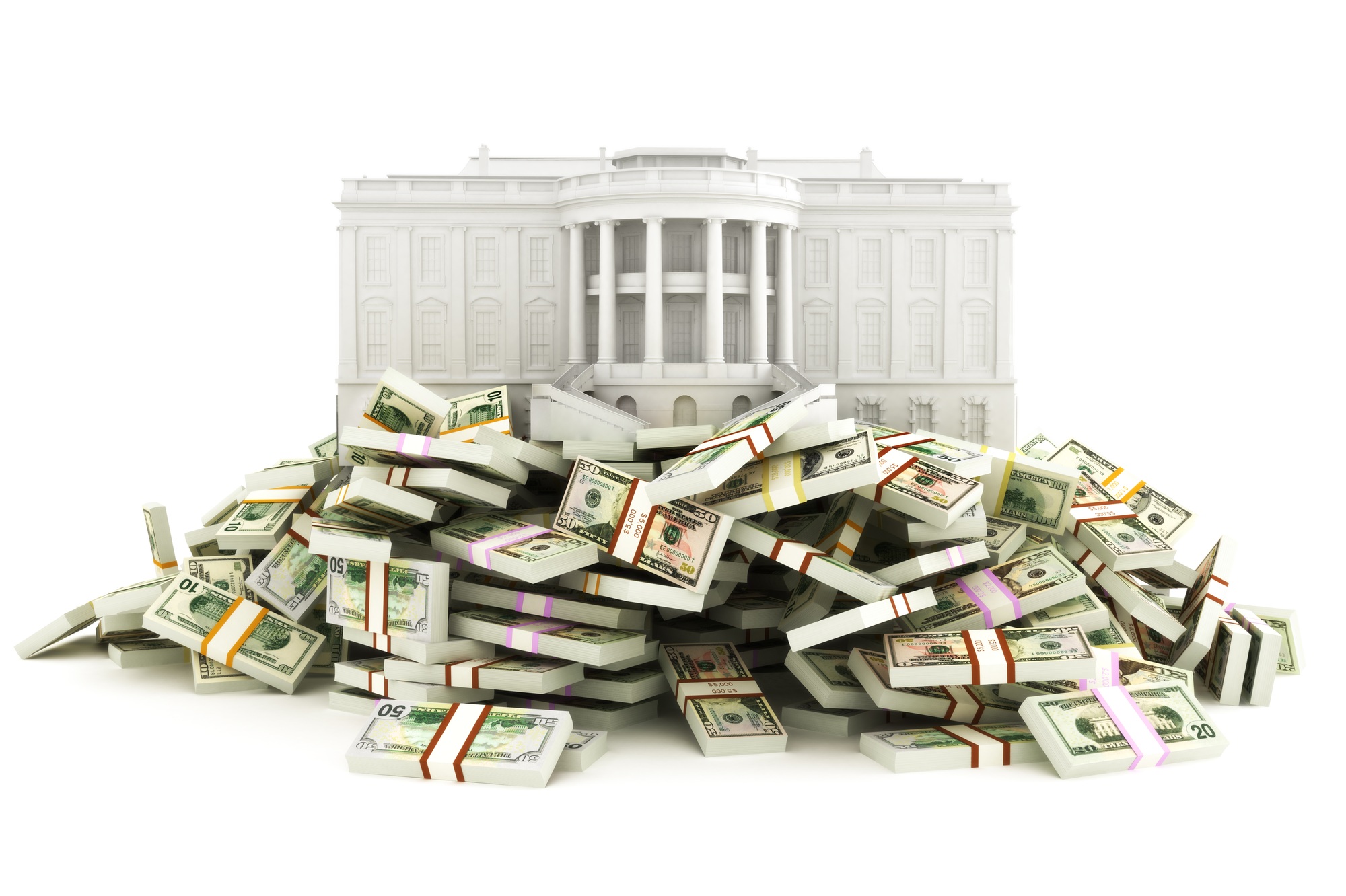
The United States is entering a new era of governance—powered not by people, but by code. Under President Donald Trump’s second term, artificial intelligence is no longer a futuristic concept—it’s becoming the backbone of everything from war strategy and taxes to airport security and mental health care for veterans.
While the move promises speed, savings, and efficiency, it also raises massive questions: Will AI make the government better—or break it? Who gets protected, and who gets left behind?
Let’s break down the most significant changes—and what they mean for you.

⚔️ AI on the Battlefield: Faster, Riskier Warfighting
The Pentagon has supercharged its use of AI to analyze satellite images and identify potential targets within an hour. A major upgrade to the “Maven” system means over 25,000 military personnel now rely on AI to make critical decisions.
But here’s the concern: What happens when software decides who lives or dies? Critics warn that AI doesn’t understand the chaos of combat, and mistakes could have deadly consequences for civilians.
🛫 Air Traffic Control Gets an AI Co-Pilot
With staff shortages hitting U.S. airports, the FAA is turning to AI to help monitor flights, predict hazards, and prevent disasters. This push follows a tragic 2025 midair crash near Washington, D.C., that killed over 60 people.
AI will support human controllers—not replace them (for now). But internal documents suggest that, in the long run, fewer people may be in those towers as machines take on more responsibility.
🧠 Patent Reviews Go Robo
Starting July 21, the U.S. Patent Office will require all examiners to use AI tools to vet new applications. These systems can scan thousands of existing patents in seconds—helping speed up a traditionally sluggish process.
Still, some examiners say they didn’t get enough time to test the new tools, and there’s fear that small inventors may be unfairly rejected by faulty algorithms.
🧳 TSA’s New Look: No Lines, Just Facial Recognition
The TSA has already installed facial ID scanners at 200+ airports. Now it’s testing full-on AI-powered kiosks that let pre-checked travelers breeze through without talking to a human agent.
Sounds great—until you realize these systems can be less accurate for people of color. Civil rights groups worry that automation could lead to profiling or wrongful detentions, and possibly job cuts for TSA workers.
🧾 AI Joins the IRS: Get Ready for Robo-Audits
The IRS is experimenting with AI that can not only pick who gets audited but also draft the audit letters themselves. This is part of a wider plan under the new Department of Government Efficiency (yes, that’s a real thing—acronym: DOGE) to cut costs and modernize federal agencies.
Advocates say it’s long overdue. Critics say your tax return may be judged by a black box—and errors could be hard to contest.
❤️ Helping (and Monitoring) Veterans
The Department of Veterans Affairs has expanded its use of AI to predict suicide risk among veterans. In 2025, the system was updated to better reflect risks specific to women, including trauma, pregnancy complications, and mental health.
It’s saving lives—but critics fear too little oversight as AI is used for more sensitive decisions, including benefits.
💼 Will AI Kill Your Job—or Make It Easier?
Generative AI could add up to $4.4 trillion to the global economy every year. That’s a huge deal—but it won’t be painless.
Already, over 220,000 jobs were cut in early 2025 by companies citing AI as a key reason. Most vulnerable? Workers doing repetitive, data-heavy tasks. Upskilling programs haven’t caught up yet, and many fear being left behind.
⚖️ What About Fairness and Safety?
One of Trump’s first moves in 2025 was removing key safety rules that required transparency for high-impact AI programs. Agencies no longer need to label AI tools that affect rights, safety, or fairness.
Watchdog groups are sounding the alarm, arguing that AI decisions can embed biases—especially in health care, policing, and public benefits. Without oversight, they say, government AI could become dangerously opaque.
📜 States vs. Feds: Who’s Regulating AI?
There’s no comprehensive federal AI law yet, but states are stepping in. Over 45 states have introduced laws targeting AI bias, transparency, and privacy.
Congress is also weighing in with new legislation like the “Algorithmic Accountability Act of 2025,” which would force companies to assess the risks of automated decision tools.
An attempt to block states from passing AI laws failed spectacularly, preserving local oversight for now.
🌍 AI Arms Race and Trump’s Foreign Policy Shift
Trump has taken a tougher line on Russia, giving Moscow a 50-day deadline to withdraw from Ukraine—or face steep tariffs and military aid to Kyiv. Behind the scenes, AI-powered defense tools are part of this pressure play.
Internationally, the U.S. is racing ahead of Europe, where stricter AI regulations may be slowing innovation. American tech giants like Palantir and xAI are playing central roles in this new global AI arms race.
📅 What’s Next?
A full White House AI strategy is expected by late July 2025. It’s likely to emphasize speed, efficiency, and innovation—with less focus on regulation and risk.
The big question: Can we move fast and stay fair? Or are we handing over too much power to machines, too quickly?
🤔 FAQs
Q: What AI rules did Trump roll back?
A: He eliminated key safety and fairness labels on federal AI programs, ending mandatory transparency reports.
Q: Is TSA going to replace humans with machines?
A: TSA says it’ll use both. But if kiosks and facial recognition tech prove accurate, staff reductions are likely.
Q: How is AI used in war now?
A: AI helps analyze drone and satellite images to identify targets. Critics warn it could misfire—with deadly consequences.
Q: Can AI deny me a tax refund or benefit?
A: Possibly. The IRS and VA are testing AI for auditing and benefits reviews. Without oversight, errors may go unchecked.
Q: Is AI helping veterans?
A: Yes—but systems had to be retrained to properly assess risks for women and minority veterans.

Sources The Washington Post