A Quick Snapshot
Recent reporting suggests China has entered a phase where it has the means, motive, and opportunity to challenge the U.S. for AI leadership. The core idea is that China’s state-driven strategy, massive domestic data advantage, rapid adoption, and centralized planning make it a formidable force in the global AI race.
But the story is complex. Victory is not guaranteed, and structural, technological, and economic headwinds remain. Let’s examine where China stands, how it stacks up, and what this means for global AI dynamics.

Why China Looks Strong
1. State-Guided Strategy and Resource Mobilization
AI is a national priority for China. The government coordinates policy, funding, and infrastructure at an unprecedented scale—establishing regional AI innovation zones, funding national tech giants, and rolling out massive data center infrastructure across provinces.
2. Real-World Deployment at Scale
China is already embedding AI into smart cities, manufacturing, logistics, transportation, surveillance, and healthcare. The country’s quick move from research to application gives it a performance edge.
3. Massive Data Advantage
AI thrives on data. China’s population size and digital activity create a rich feedback loop for improving models. With fewer restrictions around data privacy, systems can iterate rapidly.
4. Cost and Speed Efficiencies
Chinese companies can deploy AI solutions quickly, often with less regulatory friction and at lower cost. Speed of iteration, rather than perfection, drives growth.
Where China Still Struggles
1. Hardware and Semiconductor Limitations
China remains dependent on imported high-end chips like GPUs for training state-of-the-art models. Export restrictions and domestic chip lags could throttle its capacity to train the most powerful models.
2. Innovation vs. Imitation
While China excels at scaling and localizing AI solutions, some argue it still lags in true frontier innovation. The top breakthroughs in foundational models and AGI still often originate in the U.S. and Europe.
3. Global Trust and Regulation
China’s AI ecosystem faces skepticism abroad due to surveillance concerns, authoritarian governance, and content control. These issues may limit the global spread of Chinese AI platforms.
4. Economic Sustainability and Talent
Scaling AI is expensive. Monetizing domestic platforms globally is still a challenge. Additionally, while China produces a large volume of AI researchers, retaining world-class talent and encouraging risk-taking innovation remains a hurdle.
5. Uneven National Progress
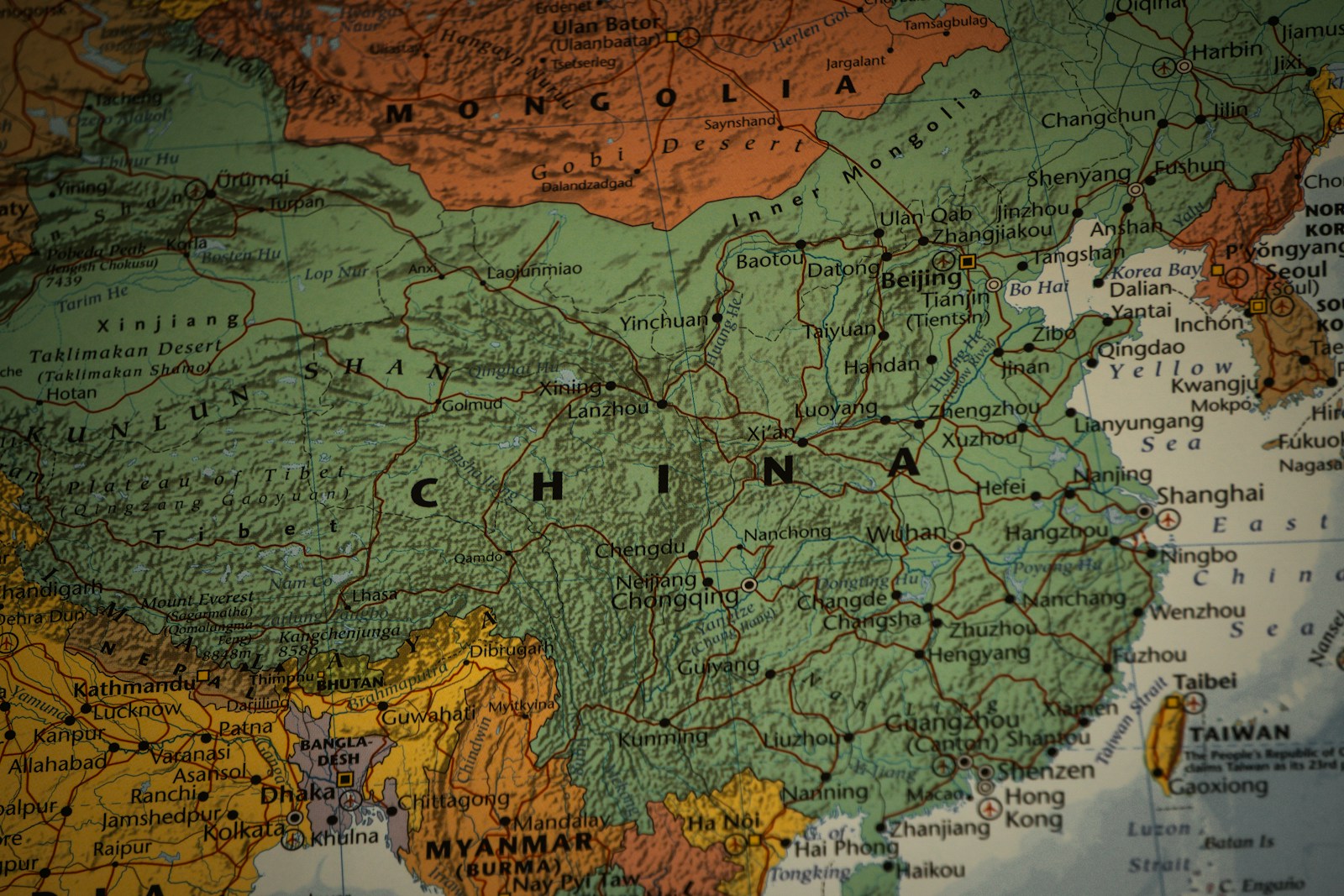
AI development is heavily concentrated in China’s coastal tech hubs. Interior regions often lag in infrastructure, talent, and investment, creating uneven benefits.

Is China Winning?
That depends on how “winning” is defined.
- If it means adoption and deployment at scale, China is arguably ahead.
- If it means pioneering the next leap in general AI or dominating global markets, the race is still open.
The U.S. retains strong advantages in foundational research, global cloud infrastructure, and open collaboration. But China’s speed, scale, and strategic focus make it a legitimate contender—and a potential leader in specific AI sectors like industrial automation and smart cities.
Rather than a single winner, we’re more likely to see a multipolar AI world, where regional ecosystems develop in parallel with varying standards, ethics, and use cases.
What’s Missing From the Mainstream Conversation?
- Energy Infrastructure: China’s rapid AI expansion places strain on power grids and sustainability efforts. AI consumes vast amounts of electricity—regulatory and environmental responses may slow expansion.
- Global Standards: China is pushing its AI governance frameworks globally. The rules and ethics embedded in Chinese platforms could gain influence, especially in the Global South.
- Export Influence: Chinese AI tools are spreading across Asia, Africa, and Latin America. Whether these systems shape global norms remains to be seen.
- Monetization Challenges: Scaling fast is one thing—making money from it is another. Many Chinese AI ventures focus on growth over profit, raising long-term sustainability questions.
- Talent Migration: China is investing in domestic AI education and offering incentives to lure back top talent. How effective this is will shape its long-term position.
Global Implications
For businesses: They must choose which AI ecosystems to integrate with. Chinese tools may dominate emerging markets, while Western companies may lean toward U.S./European platforms.
For governments: AI strategy is now national strategy. Countries must balance openness, sovereignty, and ethical concerns as they align with major players.
For workers and startups: AI will reshape global labor markets. Nations that lead in AI infrastructure, regulation, and deployment will likely attract the best talent and investment.
For AI governance: China’s global spread may challenge democratic norms around AI transparency, bias, and privacy.
Frequently Asked Questions (FAQ)
Q1: Does China already lead in AI?
Not fully. China leads in deployment, infrastructure scale, and user data. But the U.S. still leads in foundational AI breakthroughs and global influence.
Q2: What’s China’s biggest strength?
Its ability to move quickly from research to real-world implementation, thanks to its centralized governance, large market, and fewer regulatory barriers.
Q3: What’s China’s biggest weakness?
Dependence on foreign chips, limited global trust, and difficulty commercializing cutting-edge research internationally.
Q4: Is the U.S. falling behind?
No, but the lead is shrinking. The U.S. maintains strengths in AI R&D, top talent, global cloud platforms, and an open ecosystem that attracts innovation.
Q5: Will there be one global AI winner?
Unlikely. Expect regional leaders in different areas: China in smart cities and manufacturing; the U.S. in foundational models and enterprise AI; Europe in regulation and ethics.
Q6: Should countries align with China’s AI system?
It depends on strategic priorities. Some countries will value low-cost, scalable Chinese platforms. Others will prioritize democratic AI governance and align with Western systems.
Q7: What should policymakers do now?
Invest in domestic AI infrastructure, education, ethics, and standards. Diversify partnerships and prepare for a fragmented global AI landscape.

Final Thoughts
China isn’t waiting to see how the AI race plays out—it’s building its own path to dominance. Whether it wins outright or simply reshapes the global AI landscape, the world must prepare for a future where China’s influence in AI is undeniable.
The real question isn’t just whether China will win, but whether the rest of the world is ready for what that victory—or even partial leadership—might look like.
Sources Financial Times