Teenagers today don’t just use technology—they live inside it. Algorithms decide what they see, AI tools shape how they write and learn, and social platforms quietly influence their emotions, beliefs, and behavior. Yet for years, schools treated digital fluency as knowing how to click, post, or search.
That’s changing.
A new kind of classroom is emerging—one that teaches students how social media and artificial intelligence actually work, how they influence attention and identity, and how to stay in control in a world designed to capture them. For the first generation raised by algorithms, this education is becoming a matter of survival.
Why Being a “Digital Native” Isn’t Enough
Comfort Is Not Understanding
Today’s students can navigate apps effortlessly, but many don’t understand:
- Why certain posts appear in their feed
- How outrage and misinformation spread
- How AI generates text, images, and videos
- How platforms profit from attention and data
Fluency without insight leaves students exposed.
AI Raised the Stakes
Social media already shaped self-image and mental health. Generative AI intensifies the challenge by:
- Blurring reality and synthetic content
- Automating persuasion at massive scale
- Making deepfakes and fake authority easier
- Turning students into constant AI collaborators
Understanding these systems is no longer optional.
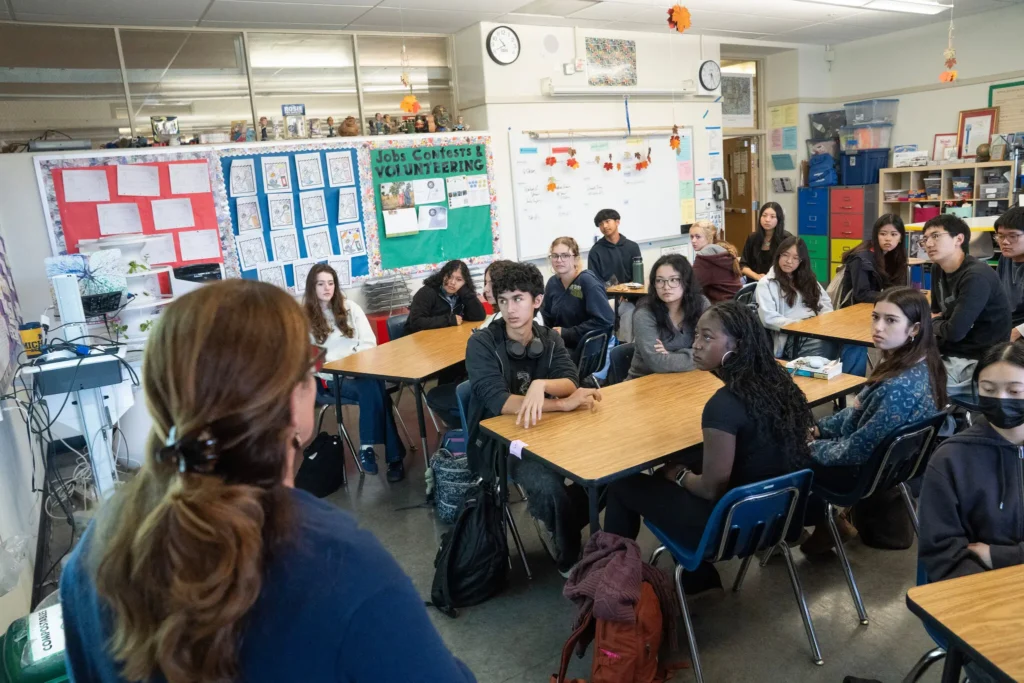
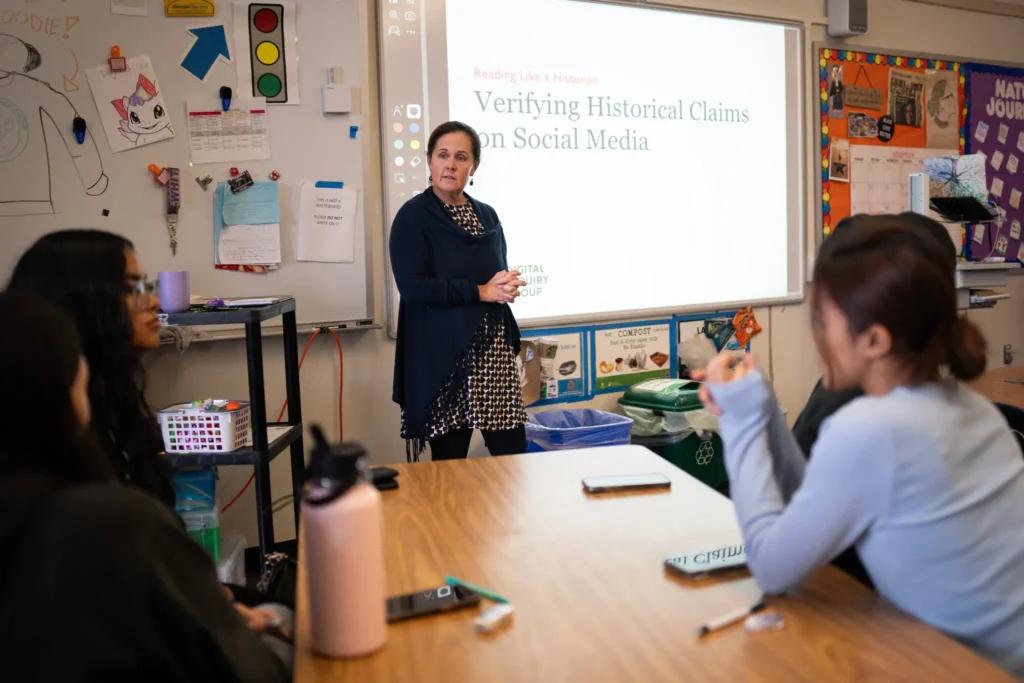
Inside the New Algorithm Literacy Classroom
What Students Are Actually Learning
These classes go far beyond basic internet safety. Students learn to:
- Break down how recommendation algorithms work
- Identify emotional manipulation in feeds
- Analyze why content goes viral
- Understand AI training, bias, and hallucinations
- Detect deepfakes and synthetic media
The goal isn’t fear—it’s agency.
Learning From Their Own Feeds
Students analyze:
- Their social media timelines
- Viral posts and online pile-ons
- AI-generated essays and images
- Real-world misinformation examples
By studying their own digital environments, lessons feel personal and urgent.
What Most Discussions Miss
This Is Mental Health Education in Disguise
Algorithm literacy helps students recognize:
- How comparison fuels anxiety
- Why platforms encourage compulsive use
- When digital habits become unhealthy
These courses quietly function as preventive mental health training.
Teachers Are Learning Too
Many educators didn’t grow up with AI-driven platforms. These classes often involve:
- Teachers admitting uncertainty
- Collaborative discovery
- Rapid curriculum updates
Authority gives way to shared inquiry—and that builds trust.
Equity Is on the Line
Students with fewer resources are often:
- More exposed to misinformation
- Less supported in evaluating content
- More vulnerable to online manipulation
Teaching algorithm awareness helps close digital inequality gaps.
Why Schools Are Acting Now
Several pressures have collided:
- A teen mental health crisis
- Explosive growth of generative AI
- Rampant misinformation and deepfakes
- The failure of bans and restrictions
Blocking technology didn’t work. Education is the more durable response.
How This Redefines the Purpose of School
Schools once focused on facts and skills. Now they must also teach:
- Attention management
- Digital self-regulation
- Algorithmic awareness
- Ethical AI use
Education isn’t just about careers anymore—it’s about protecting autonomy in a digital world.
The Challenges Ahead
Keeping Pace With Technology
AI evolves faster than textbooks. Curriculum must remain flexible and frequently updated.
Cultural and Political Pushback
Some argue this education is too political or anti-tech. But avoiding the topic leaves students defenseless.
No Universal Standard Yet
There’s no national framework for AI and social media literacy. Programs vary widely by school and region.
What the Classroom of the Future Could Look Like
In the coming years, expect:
- Required AI literacy courses
- Deepfake detection training
- Ethical debates on automation
- Focus and attention workshops
- Integration with mental health education
Understanding algorithms may soon be as fundamental as understanding algebra.
Frequently Asked Questions
Why teach social media and AI in school?
Because these systems shape how students think, feel, and learn. Education builds resilience where bans fail.
Is this about banning technology?
No. It’s about informed, critical, and responsible use—not abstinence.
Do students care about these lessons?
Yes. Classes grounded in their real digital lives are highly engaging.
Are teachers prepared?
Many are learning alongside students. Ongoing training is essential.
Should this be mandatory?
Many educators believe so—because algorithm literacy is now a core life skill.

Final Thoughts
Today’s students are growing up in systems designed to shape attention, emotion, and belief. Teaching them how those systems work is no longer optional—it’s essential.
These new classrooms aren’t anti-technology. They’re pro-human.
In the age of algorithms, literacy isn’t just about reading words.
It’s about reading the invisible systems behind the screen—and learning how to outsmart them.
Sources The New York Times