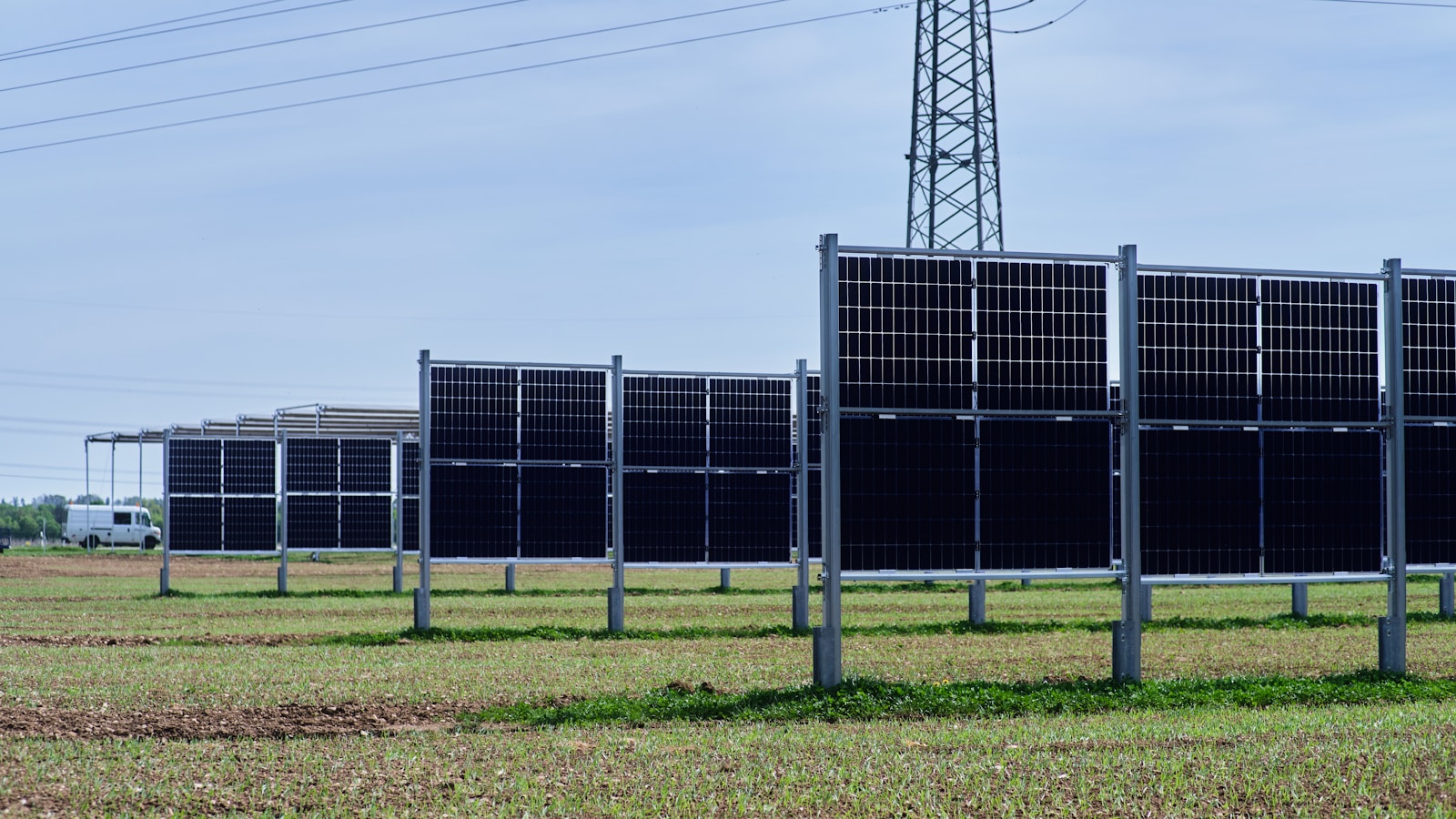
Britain is often praised as a global clean-energy success story. Offshore wind farms stretch across the North Sea, coal power has nearly disappeared, and renewable electricity now supplies a large share of the nation’s energy. But beneath this progress sits a growing problem that rarely makes headlines: the country built green power far faster than its electricity grid could adapt.
What looks like climate leadership on paper has become a costly logistical challenge in practice. Clean energy is being produced at record levels—then wasted, curtailed, or blocked by infrastructure that belongs to a different era.
How Britain Became a Renewable Power Leader So Quickly
Over the past two decades, the UK pushed aggressively into renewables through:
- Subsidies and long-term pricing guarantees
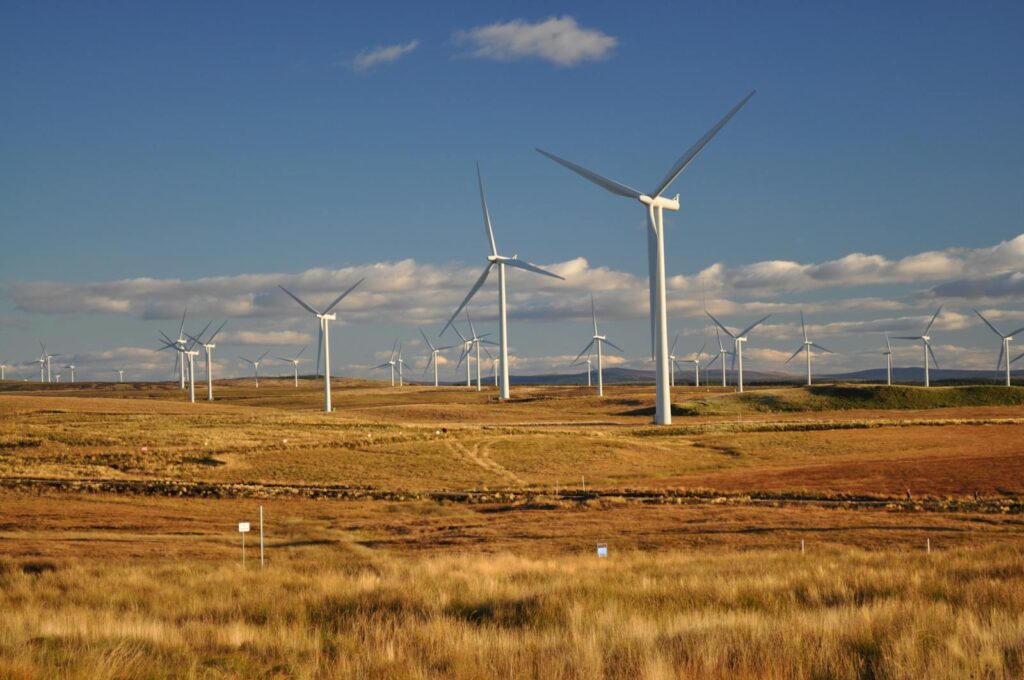
- Rapid offshore wind development
- Coal phase-outs and climate targets
- Investor-friendly clean-energy policy
Offshore wind became the centerpiece of Britain’s strategy, delivering vast amounts of low-carbon electricity at falling costs. Generation surged faster than almost anyone expected.
The problem was never ambition. It was sequencing.
Why the Grid Was Left Behind
A System Built for Fossil Fuels
Britain’s grid was designed for:
- Large centralized power stations
- Predictable output
- One-way electricity flow
Renewables flipped this model. Wind and solar are:
- Variable
- Weather-dependent
- Often located far from cities
The grid simply wasn’t designed to move this much power, this flexibly, across long distances.
Geography Works Against the System
Much renewable generation sits in:
- Scotland
- Coastal regions
- Offshore installations
Meanwhile, most demand is concentrated in:
- Southern England
- Dense urban and industrial areas
Without enough transmission capacity, clean energy gets trapped where it’s produced.
The Hidden Cost of Wasted Clean Power
Paying Wind Farms to Shut Down
When the grid becomes overloaded, operators are forced to curtail renewables—even during peak production.
That means:
- Wind farms are paid not to generate
- Gas plants may still run elsewhere
- Consumers pay for inefficiency
The result is higher bills and public confusion about why clean energy doesn’t feel cheap.
Price Volatility and Grid Stress
Grid congestion contributes to:
- Higher wholesale electricity prices
- Greater reliance on gas during calm periods
- Increased system management costs
The transition begins to look unreliable—not because renewables failed, but because infrastructure lagged.
What Is Often Missing From the Conversation
Storage Never Scaled Fast Enough
Battery systems and long-duration storage expanded—but nowhere near the pace of renewable generation.
Without storage:
- Excess energy is lost
- Shortfalls rely on fossil fuel backup
Planning Rules Slow the Hardest Projects
It is often easier to approve a wind farm than:
- New transmission lines
- Grid substations
- Reinforcement projects
Local opposition and lengthy approvals slow the most essential upgrades.
Energy Markets Were Not Built for Zero Cost Power
Electricity markets were designed for fuel-based generation, not energy that costs almost nothing to produce once built. Pricing signals now struggle to guide smart investment.
This Is Not Just a British Problem
Britain’s challenge mirrors issues seen in:
- Germany’s wind congestion
- California’s solar curtailment
- Australia’s grid instability
The global lesson is clear: generation without infrastructure is not a transition—it’s a bottleneck.
What Britain Needs to Do Next
Modernize the Grid at Speed
This means:
- New high-voltage transmission
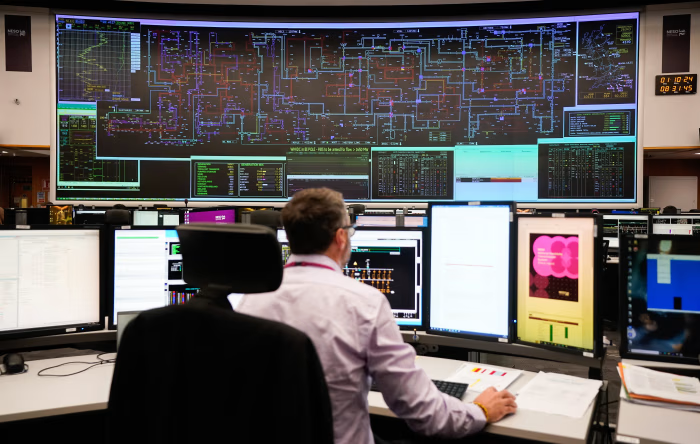
- Digital grid controls
- Smarter regional balancing
Scale Energy Storage
Batteries and long-duration storage are essential to absorb excess power and stabilize supply.
Reform Planning and Market Rules
Faster approvals and better incentives are needed to align generation with infrastructure reality.
What This Means for the Energy Transition
Britain’s grid problems don’t mean renewable energy failed. They mean success arrived faster than the system was prepared for.
The energy transition is not just about turbines and panels. It is about:
- Networks
- Storage
- Markets
- Governance
Without those, even the cleanest energy can become expensive and politically fragile.
Frequently Asked Questions
Why cant Britains grid handle renewable energy
Because it was built for centralized fossil fuel plants not variable renewable power
Is green energy being wasted
Yes wind and solar are frequently curtailed due to grid congestion
Why not just build more power lines
Transmission projects face long approval timelines high costs and local opposition
Does this mean renewables are unreliable
No the problem is infrastructure design not the technology
Will this issue get worse
Yes unless grid investment storage and planning reform accelerate quickly
Final Thoughts
Britain’s experience offers a warning to every country racing toward net zero.
Building renewable energy is only the first step. If grids do not evolve at the same pace, clean power becomes stranded power.
The green transition is not failing—but it is incomplete. And until infrastructure catches up with ambition, Britain will continue paying the price for moving faster than its grid could follow.
Sources The Wall Street Journal