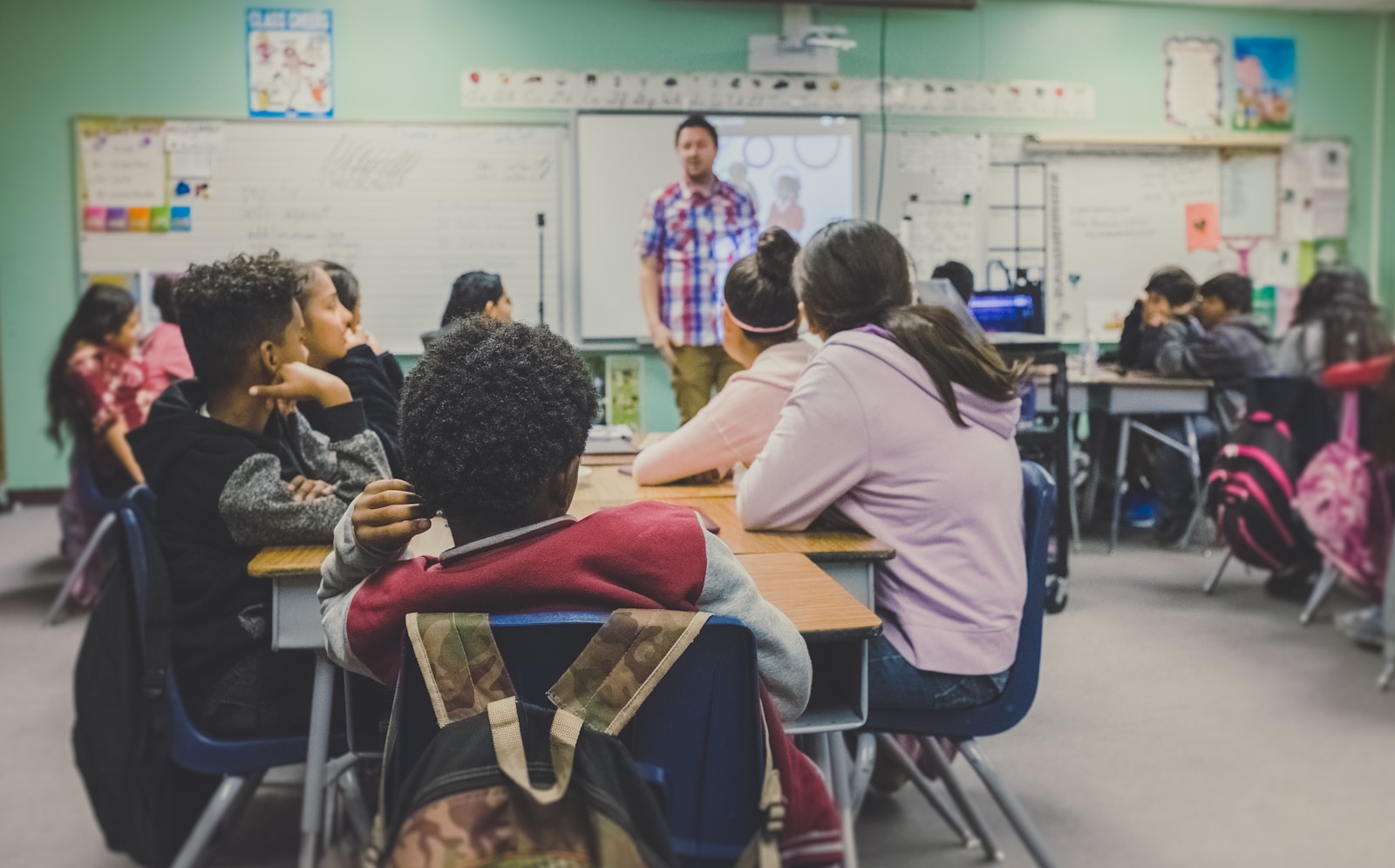
rtificial intelligence is rapidly becoming part of everyday classroom life. From AI tutors and automated grading to essay-writing assistants, schools are being told that these tools will personalize learning, reduce teacher burnout, and prepare students for a tech-driven future.
But beneath the promise lies a growing concern shared by educators, researchers, and parents alike:
What if AI is quietly undermining the very skills schools are meant to teach?
The risks of AI in education are no longer hypothetical. They’re unfolding in real classrooms — and the consequences may last far longer than a school year.
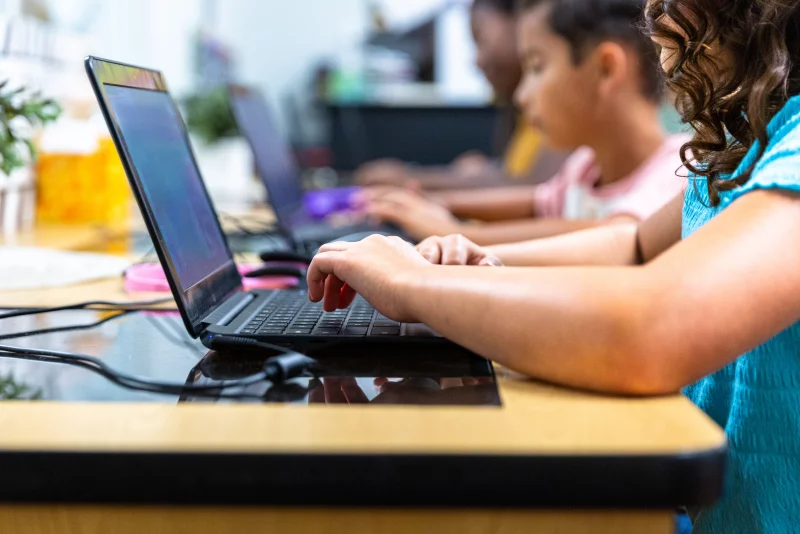
How AI Is Already Shaping Classrooms
Today’s schools are using AI for:
- Writing and homework assistance
- Automated tutoring and feedback
- Personalized learning platforms
- Grading and assessment
- Student behavior and performance tracking
On paper, these tools promise efficiency. In practice, they raise serious questions about how children learn — and what they lose when thinking is outsourced.
The Biggest Risk: Learning Without Thinking
Learning is not about producing correct answers quickly. It’s about:
- Struggling with ideas
- Making mistakes
- Building reasoning skills
- Developing patience and focus
When AI supplies instant solutions, students may:
- Skip the thinking process
- Depend on shortcuts
- Fail to internalize concepts
The result is output without understanding — work that looks impressive but builds little cognitive strength.
Why Children Are Especially Vulnerable
Unlike adults, children are still developing:
- Executive function
- Attention control
- Problem-solving ability
- Moral and ethical judgment
Introducing powerful AI tools too early risks:
- Weakening independent thinking
- Reducing writing and reasoning practice
- Creating long-term reliance on external tools
What feels like “help” today may become dependence tomorrow.
Equity: The Risk That Rarely Gets Enough Attention
AI does not impact all students equally.
In reality:
- Wealthier schools get better tools and stronger oversight
- Underfunded schools may use AI to replace human support
- Students without guidance are more likely to over-rely on AI
Instead of leveling the playing field, AI could widen existing educational gaps.
Privacy and Surveillance Concerns
Many educational AI platforms collect:
- Student writing samples
- Behavioral and attention data
- Performance analytics
- Sometimes even biometric indicators
This raises urgent questions:
- Who owns children’s data?
- How long is it stored?
- Can it be sold or reused?
- Can students meaningfully opt out?
Children are becoming data sources before they’re old enough to consent.

Bias, Errors, and Misinformation
AI systems are not neutral.
They can:
- Reinforce cultural or linguistic bias
- Deliver incorrect or oversimplified explanations
- Favor standardized responses over creativity
When AI influences grading or feedback, these flaws can quietly shape a student’s academic path.
Teachers Risk Becoming Supervisors of Software
AI is often marketed as teacher support. In reality, it can:
- Reduce professional autonomy
- Pressure educators to trust algorithmic outputs
- Shift accountability from systems to individuals
Education thrives on human judgment, empathy, and context — qualities no algorithm can replace.
Yes, AI Has Real Benefits — But Only With Limits
Supporters of classroom AI point to real advantages:
- Faster feedback
- Accessibility for students with disabilities
- Administrative efficiency
- Personalized pacing
These benefits matter. But they depend entirely on how, when, and why AI is used.
The danger isn’t AI itself — it’s uncritical adoption.
What’s Missing From Most AI-in-Education Debates
Cognitive Development
Few policies consider long-term effects on thinking skills.
Age-Appropriate Boundaries
Clear guidelines for different age groups are rare.
Evidence-Based Adoption
Many tools enter classrooms before independent research validates their benefits.
Governance and Accountability
Schools lack strong frameworks for oversight and limits.
A Smarter, More Cautious Way Forward
Experts increasingly recommend:
- Restricting AI use in early education
- Using AI as a supplement, not a substitute
- Teaching students how AI works — and where it fails
- Protecting human-centered learning
The goal should be AI literacy, not AI dependence.
Frequently Asked Questions
Is all AI bad for schools?
No. AI can help when used selectively and under educator control.
Does AI make cheating easier?
Yes — especially when assignments value output over reasoning.
Can AI help students with disabilities?
Absolutely, when used as an accessibility tool rather than a replacement for teaching.
Why are schools adopting AI so fast?
Cost pressures, modernization goals, and fear of falling behind.
Should AI be banned in classrooms?
Not entirely — but strict limits, transparency, and age guidelines are essential.
What should parents ask schools?
How AI is used, what data is collected, and how learning quality is protected.

The Bottom Line
Education isn’t about speed, efficiency, or perfect answers.
It’s about teaching young people how to think, question, struggle, and grow.
AI can support that mission — but only when it’s carefully limited and thoughtfully guided. When technology replaces effort, reflection, and human connection, learning suffers.
In schools, the most important skill isn’t learning how to use AI.
It’s learning how to think without it.
Sources NPR