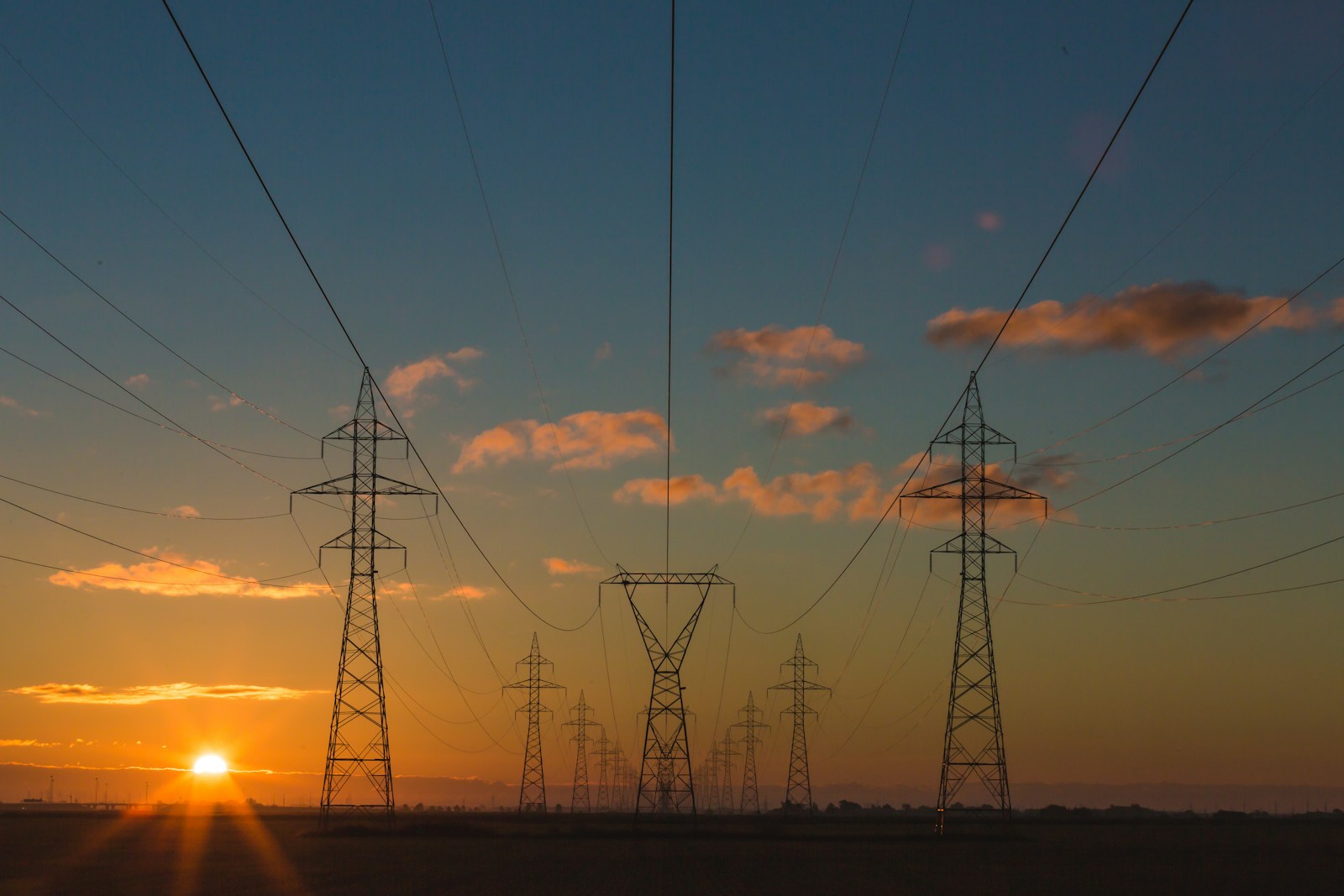
Artificial intelligence is often described as invisible — lines of code running quietly in the cloud. But behind every AI breakthrough is something very tangible: electricity. And lots of it.
As AI data centers multiply across the United States, concerns are growing that their massive energy appetite could quietly drive up household power bills. That fear is now pushing politicians into action, with former President Donald Trump and multiple state leaders calling for new rules to stop AI from inflating electricity costs for everyday consumers.
The debate exposes a growing tension between innovation and affordability — and raises a simple but urgent question: Who should pay for AI’s power hunger?
Why AI Is Suddenly an Energy Problem
Artificial intelligence doesn’t run on magic. It runs on physical infrastructure:
- Vast data centers operating 24/7
- Specialized chips consuming enormous power
- Cooling systems that draw both electricity and water
- Backup systems that demand constant readiness
Training and running advanced AI models can require as much electricity as entire towns. As companies race to build more AI capacity, utilities warn that demand is rising faster than expected — sometimes faster than the grid can handle.
How AI Can Raise Your Energy Bill
Electric grids are shared systems. When one group uses significantly more power, everyone feels the impact.
AI-driven demand can:
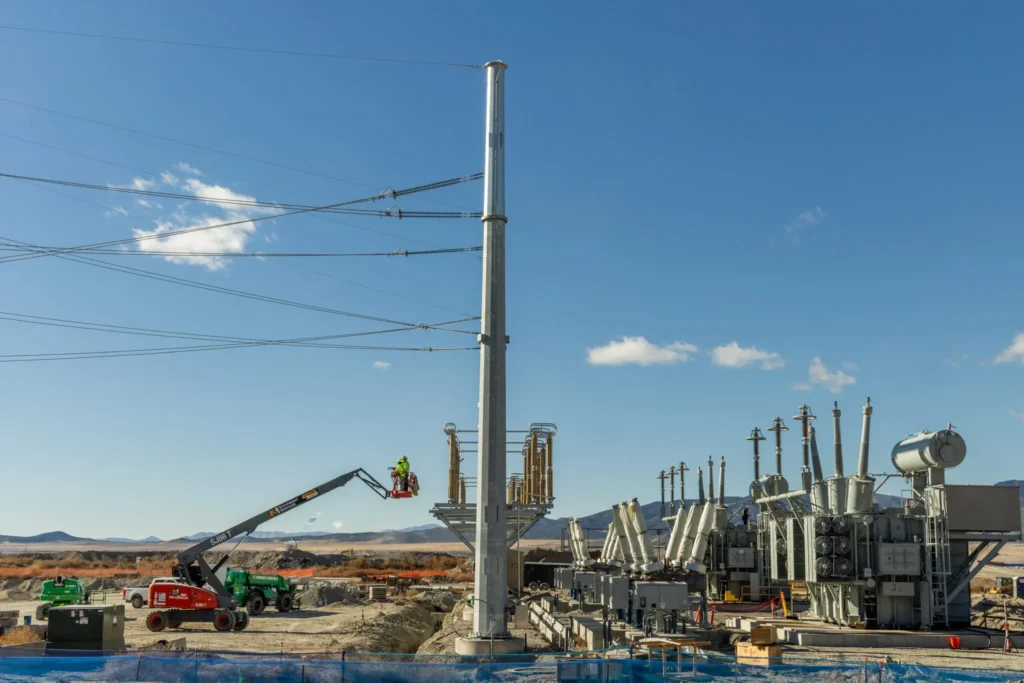
- Force utilities to upgrade transmission lines
- Increase reliance on expensive peak-hour electricity
- Accelerate the construction of new power plants
If regulators don’t intervene, those costs can spill over to:
- Homeowners
- Renters
- Small businesses
In other words, consumers may end up subsidizing AI expansion without realizing it.
Why Trump and State Leaders Are Getting Involved
Energy Costs Are a Political Flashpoint
Electricity bills affect nearly every household. Any hint that a booming industry is driving costs higher quickly becomes politically sensitive.
Trump and several governors have framed AI’s energy use as:
- A consumer protection issue
- A fairness issue
- A grid reliability issue
The message is straightforward: AI growth shouldn’t come at the expense of family budgets.
States Feel the Pressure First
States regulate utilities and approve large energy users. Those hosting clusters of data centers — such as Virginia, Texas, Arizona, and Ohio — are already seeing:
- Strained local grids
- Rising infrastructure costs
- Community resistance
Some states are now considering:
- Special electricity rates for data centers
- Requirements for on-site power generation
- Limits on passing grid upgrade costs to residents
The Data Center Boom Behind the Debate
AI didn’t create data centers — but it turbocharged them.
Companies are building massive facilities to support:
- AI training and inference
- Cloud computing
- Streaming and digital services
Local governments welcome jobs and tax revenue. But residents often worry about:
- Long-term electricity costs
- Water usage
- Environmental impact
Once a data center arrives, it’s rarely temporary.
Climate Goals Complicate the Picture
AI’s energy surge collides with climate ambitions.
On one side:
- Tech companies promise renewable energy investments
- AI can help optimize energy efficiency
On the other:
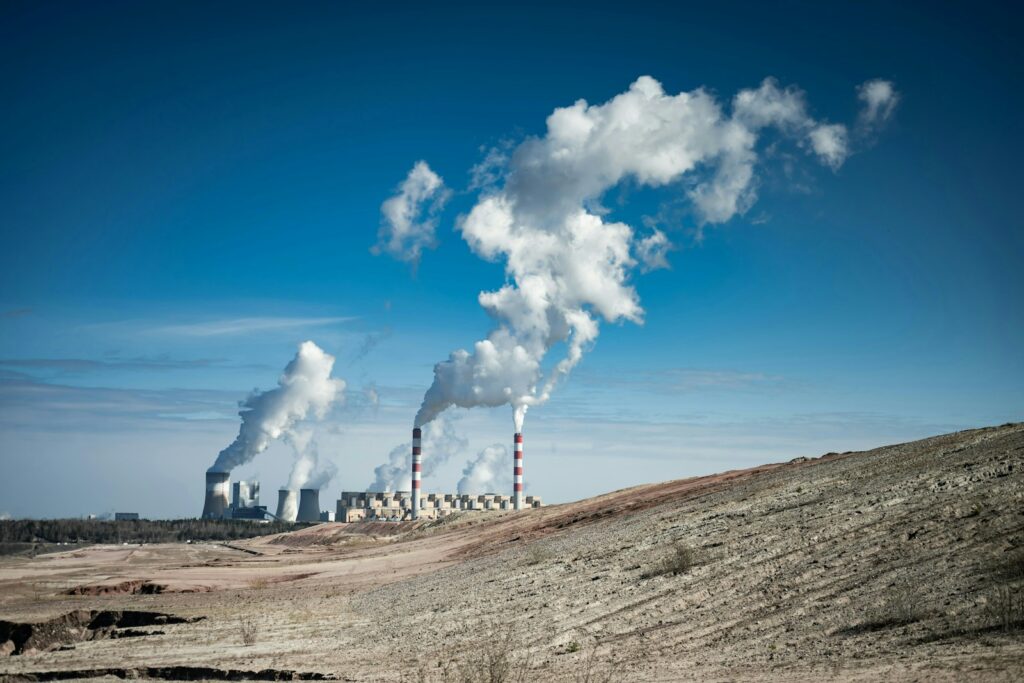
- Grids still rely heavily on fossil fuels
- Renewable capacity takes time to scale
- AI demand runs continuously, not intermittently
The risk is that AI growth undermines emissions goals — even as it claims to support them.

What Tech Companies Say in Their Defense
AI firms argue that:
- Data centers bring economic growth
- They fund renewable power projects
- Advanced chips are becoming more efficient
- Innovation shouldn’t be slowed by regulation
Many companies are investing in:
- Direct renewable energy contracts
- On-site energy generation
- Water-saving cooling systems
Critics counter that these steps don’t fully protect consumers from higher bills.
What Often Gets Overlooked
Grid Upgrades Take Years
Building new power lines and substations is slow and expensive — and someone has to pay.
Long-Term Lock-In
Data centers commit communities to decades of high energy demand.
Rural Impact
Many facilities are built in rural areas with weaker infrastructure and fewer regulatory safeguards.
Global Competition
Restricting AI energy use domestically could affect competitiveness with countries willing to absorb higher costs.
Policy Options on the Table
Lawmakers and regulators are weighing several approaches:
- Separate rate classes for AI data centers
- Mandatory on-site power generation or storage
- Time-of-use pricing to reduce peak strain
- Transparency requirements for energy consumption
- Limits on passing infrastructure costs to households
Each option involves trade-offs between growth, cost, and fairness.
Frequently Asked Questions
Is AI really using that much electricity?
Yes. Large AI data centers are among the fastest-growing sources of power demand.
Will my electric bill actually increase because of AI?
In regions with heavy data center concentration, it already can — if costs aren’t carefully managed.
Can renewable energy fix this?
Partially, but renewable infrastructure takes time and doesn’t always align with constant AI demand.
Why focus on AI instead of other industries?
AI demand is growing unusually fast and is highly concentrated, making its impact more visible.
Could regulation slow AI innovation?
Possibly, but policymakers argue consumer protection and grid stability must come first.
Who should pay for AI’s energy use?
That’s the central debate — whether costs should fall on tech companies, utilities, governments, or consumers.
The Bottom Line
AI may feel digital and weightless, but its energy footprint is anything but.
As artificial intelligence reshapes the economy, it is also reshaping power grids, utility bills, and public policy. Governments stepping in signal a broader truth: innovation runs on shared resources — and someone always pays.
The challenge ahead isn’t stopping AI.
It’s ensuring that its rapid growth doesn’t quietly push costs onto the public.
In the coming years, the future of AI may depend as much on energy policy as on algorithms — and on whether technological progress and affordable living can move forward together.
Sources The New York Times