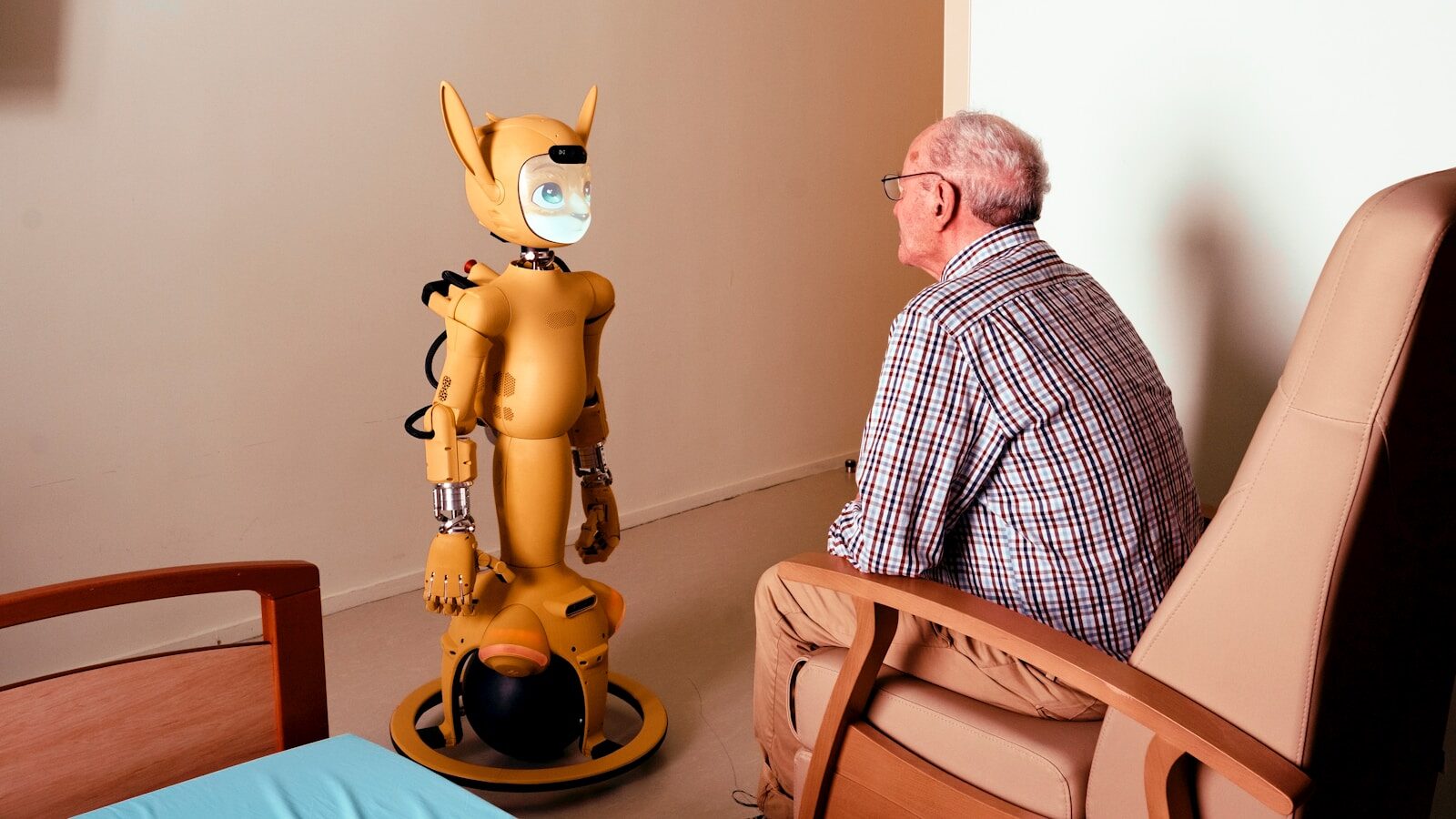
For millions of older adults, the greatest wish is simple: to remain in their own homes for as long as possible. Aging in place preserves independence, familiarity, and dignity. But it can also bring loneliness, medical risk, and daily challenges that grow harder with time.
Enter a new kind of solution: AI-powered companion robots designed specifically for seniors. These devices promise reminders, conversation, cognitive engagement, and connection to loved ones — all without requiring a move to assisted living.
But as one woman’s story illustrates, letting an AI robot into the home raises deeper questions:
What do these systems actually do? Do they reduce isolation — or replace human contact? And what trade-offs come with inviting artificial intelligence into such an intimate space?
This article explores the broader implications of AI senior companions, going beyond the surface to examine how they work, what benefits they offer, the ethical and emotional complexities involved, and what families should consider before adopting one.
Why AI Companions for Seniors Are Growing in Popularity
The Aging Population Crisis
The U.S. — and much of the world — faces a demographic shift:
- More people are living longer
- Birth rates are declining
- Caregiver shortages are growing
Traditional elder care systems are under strain. Assisted living facilities are expensive. In-home care is limited and often inconsistent.
AI companions are being marketed as part of the solution.
What AI Senior Robots Actually Do
Modern AI companion devices for seniors are not humanoid robots walking around the house. Most are stationary tabletop devices equipped with:
- Voice interaction
- Screen displays
- Reminders for medication and appointments
- Weather updates and news
- Video calling functions
- Cognitive games and exercises
- Wellness check-ins
Some can:
- Alert caregivers to unusual inactivity
- Track daily routines
- Encourage physical movement
- Offer conversational engagement
They aim to act as a blend of digital assistant, social companion, and safety monitor.
The Benefits: Why Seniors and Families Say Yes
1. Supporting Independence
AI companions can:
- Remind users to take medication
- Prompt hydration and exercise
- Help manage daily schedules
This reduces reliance on constant human supervision.

2. Reducing Loneliness
For seniors living alone, even simple daily interaction matters.
AI devices:
- Initiate conversations
- Ask about mood
- Suggest activities
- Provide a sense of presence
While not a substitute for human connection, they can soften isolation.
3. Connecting Families
Many systems integrate:
- Video calls
- Photo sharing
- Messaging
Family members can check in remotely, sometimes receiving alerts if something seems off.
The Emotional Complexity
Is It Real Companionship?
AI companions are designed to simulate empathy. They:
- Use friendly tones
- Respond conversationally
- Remember preferences
But they do not feel, understand, or care in a human sense.
Some critics worry that:
- Emotional attachment may create confusion
- Seniors may rely on artificial comfort
- Human visits could decline if families feel “covered”
The ethical question becomes:
Is artificial companionship better than loneliness — even if it’s not real?
Privacy and Data Concerns
AI companion robots collect data about:
- Daily routines
- Health habits
- Conversations
- Behavioral patterns
This data may be:
- Stored in cloud systems
- Accessible to caregivers
- Potentially vulnerable to breaches
For seniors — often less digitally fluent — understanding these risks can be difficult.
What Often Goes Unsaid
Technology Is Filling a Social Gap
AI companions are not replacing robust eldercare systems. They are filling gaps created by:
- Underfunded social services
- Busy or distant families
- Workforce shortages
In many cases, the choice is not between AI and human companionship — it’s between AI and isolation.
Adoption Is Uneven
Not all seniors are comfortable with technology.
Barriers include:
- Hearing or vision challenges
- Cognitive decline
- Distrust of devices
- Frustration with interfaces
Successful adoption often requires patient setup and ongoing support.
The Broader Ethical Debate
As AI companions become more common, society must ask:
- Should machines simulate empathy?
- How transparent should AI be about its limitations?
- Who is accountable if a device fails to detect a crisis?
- Should insurers or governments subsidize such tools?
AI in eldercare is not just a tech question — it’s a moral one.
Frequently Asked Questions
Do AI companion robots replace caregivers?
No. They assist with reminders and engagement but cannot provide physical care or medical intervention.
Are they safe?
Generally, yes — but safety depends on proper setup, secure networks, and clear understanding of limitations.
Do seniors form emotional bonds with them?
Some do. While that can reduce loneliness, it raises questions about emotional authenticity.
Can these devices detect emergencies?
Some systems can monitor inactivity or unusual behavior, but they are not substitutes for emergency services.
Are they affordable?
Costs vary, and ongoing subscription fees may apply. Accessibility remains a concern for lower-income seniors.

Final Thoughts
AI companion robots represent both innovation and reflection — innovation in how we support aging, and reflection on how modern life leaves many seniors alone.
For some older adults, inviting an AI into the home means preserving independence and dignity. For others, it may feel intrusive or impersonal.
The real issue is not whether machines can keep seniors company.
It’s whether society can ensure that technology enhances human care — rather than quietly replacing it.
Because aging with dignity should not depend solely on algorithms.
Sources The New York Times