
Japan, long celebrated for its technological innovation and stable democratic institutions, is now confronting a new political frontier: the rapid integration of artificial intelligence into its electoral landscape. As AI tools become more sophisticated and accessible, they are transforming how campaigns are run, how voters consume information, and how political narratives are shaped.
The intersection of AI and politics in Japan signals not just a technological shift but a deeper evolution in democratic engagement — one that raises urgent questions about transparency, influence, and the future of elections worldwide.
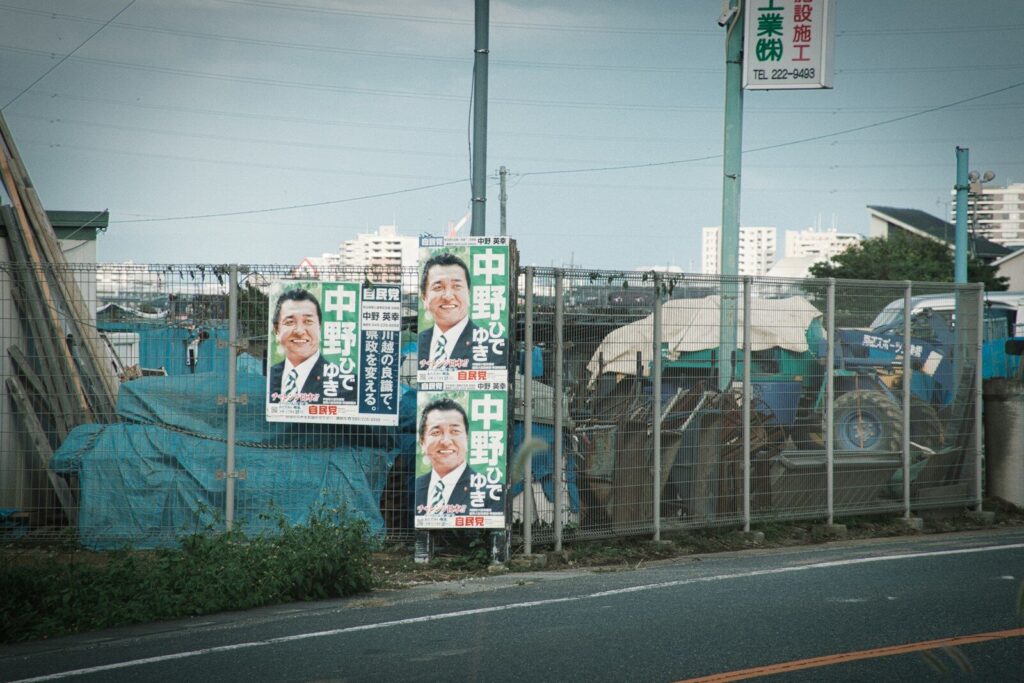
AI Enters Japan’s Political Arena
In recent election cycles, Japanese political parties and candidates have increasingly turned to AI-powered tools to optimize campaign strategy. These tools analyze vast amounts of data — voter demographics, social media trends, polling results, and economic indicators — to craft targeted messaging and predict voter behavior.
AI systems are being used to:
- Micro-target voters with tailored advertisements
- Analyze sentiment on social media platforms
- Predict turnout patterns in specific districts
- Automate email and chatbot responses
- Optimize speechwriting and messaging strategies
While data analytics has long played a role in elections, AI dramatically amplifies its scale and speed.
The Rise of AI-Generated Political Content
One of the most controversial developments has been the emergence of AI-generated political content. Campaigns have experimented with:
- AI-generated speeches
- Synthetic campaign videos
- Digitally altered candidate images
- Automated social media posts
Though some uses are transparent and benign — such as drafting policy summaries — others raise concerns about misinformation and manipulation.
Deepfake technology, capable of creating realistic but fabricated videos, has sparked fears about the potential to mislead voters. Even the mere possibility of such content can erode public trust.
Japan’s Unique Political Context
Japan’s political culture differs from many Western democracies. Campaign seasons are relatively short, and strict regulations govern traditional advertising methods. AI offers parties a way to maximize impact within these constraints.
Moreover, Japan’s aging population presents unique electoral challenges. Political campaigns must communicate effectively with both elderly voters — who rely more on traditional media — and younger, digitally native generations active on social platforms.
AI-driven strategies allow campaigns to tailor outreach across generational divides, delivering different messages through different channels.
Regulatory and Legal Considerations
Japan has historically maintained strong campaign finance and election laws. However, AI introduces gray areas:
- Should AI-generated content require disclosure labels?
- How should deepfakes be regulated?
- Who is responsible if automated systems spread misinformation?
- Can foreign actors exploit AI tools to interfere in domestic politics?
Lawmakers and regulators are actively debating how to adapt election laws to the realities of digital campaigning without stifling innovation or free expression.
Japan’s cautious regulatory approach reflects broader concerns about preserving electoral integrity while embracing technological progress.
Public Perception and Trust
Japanese society generally holds a positive view of technology, but political AI introduces a different emotional dynamic. Voters may appreciate efficiency and data-driven policies, yet remain wary of manipulation.
Surveys indicate that many citizens are concerned about:
- The authenticity of political messaging
- The erosion of human accountability
- The risk of algorithmic bias
- Privacy violations related to voter data
Trust remains the central issue. If voters suspect that AI is being used to distort reality, confidence in democratic institutions could weaken.

AI as a Governance Tool, Not Just a Campaign Tool
Beyond elections, AI is also influencing policymaking and governance in Japan. Some local governments are experimenting with AI to:
- Analyze citizen feedback
- Optimize public services
- Draft preliminary legislative proposals
- Identify economic trends
The integration of AI into governance raises broader philosophical questions: Should algorithms influence public policy decisions? Can AI enhance democracy by improving efficiency and responsiveness?
Comparisons With Global Trends
Japan is not alone. Across the globe:
- AI-driven campaign analytics are becoming standard practice.
- Deepfake threats are prompting regulatory reforms.
- Governments are exploring AI governance frameworks.
However, Japan’s disciplined political culture and emphasis on social stability may shape a more measured adoption compared to highly polarized political systems elsewhere.
Potential Risks and Ethical Dilemmas
Misinformation Amplification
AI can generate persuasive false narratives at unprecedented speed and scale.
Data Privacy
Campaigns leveraging AI require large datasets, raising concerns about how voter data is collected and protected.
Algorithmic Bias
AI systems trained on biased datasets may produce skewed recommendations or reinforce stereotypes.
Erosion of Human Accountability
If a campaign decision is driven by an algorithm, who takes responsibility for its consequences?
Opportunities for Democratic Innovation
Despite risks, AI also presents opportunities:
- More precise voter engagement
- Better analysis of public opinion
- Increased administrative efficiency
- Enhanced policy simulation and forecasting
Used responsibly, AI could help political leaders better understand and respond to citizens’ needs.
Frequently Asked Questions (FAQ)
Q: Is AI being used in Japanese election campaigns?
Yes. Campaigns use AI for data analysis, targeted messaging, and digital engagement strategies.
Q: Are deepfakes a major problem in Japan?
While not yet widespread, concerns about deepfake misuse have prompted calls for regulatory safeguards.
Q: Is AI-generated political content legal?
Current laws do not fully address AI-generated material, but policymakers are considering disclosure requirements and oversight measures.
Q: Does AI threaten Japan’s democracy?
AI presents both risks and benefits. The key challenge is ensuring transparency, accountability, and public trust.
Q: How does Japan compare to other countries in regulating AI in politics?
Japan is taking a cautious and deliberative approach, balancing innovation with institutional stability.
Q: Could AI improve governance beyond elections?
Yes. AI tools are already being explored for public service optimization, policy analysis, and administrative efficiency.

Conclusion
Artificial intelligence is quietly reshaping Japan’s political landscape — from campaign strategy to governance itself. While the technology offers powerful tools for engagement and efficiency, it also challenges long-standing norms of transparency and trust.
As Japan navigates this new terrain, its choices may offer a blueprint for how advanced democracies can integrate AI without compromising the integrity of their electoral systems.
In the age of ballots and bots, the future of democracy may depend on how wisely technology is harnessed.
Sources The New York Times