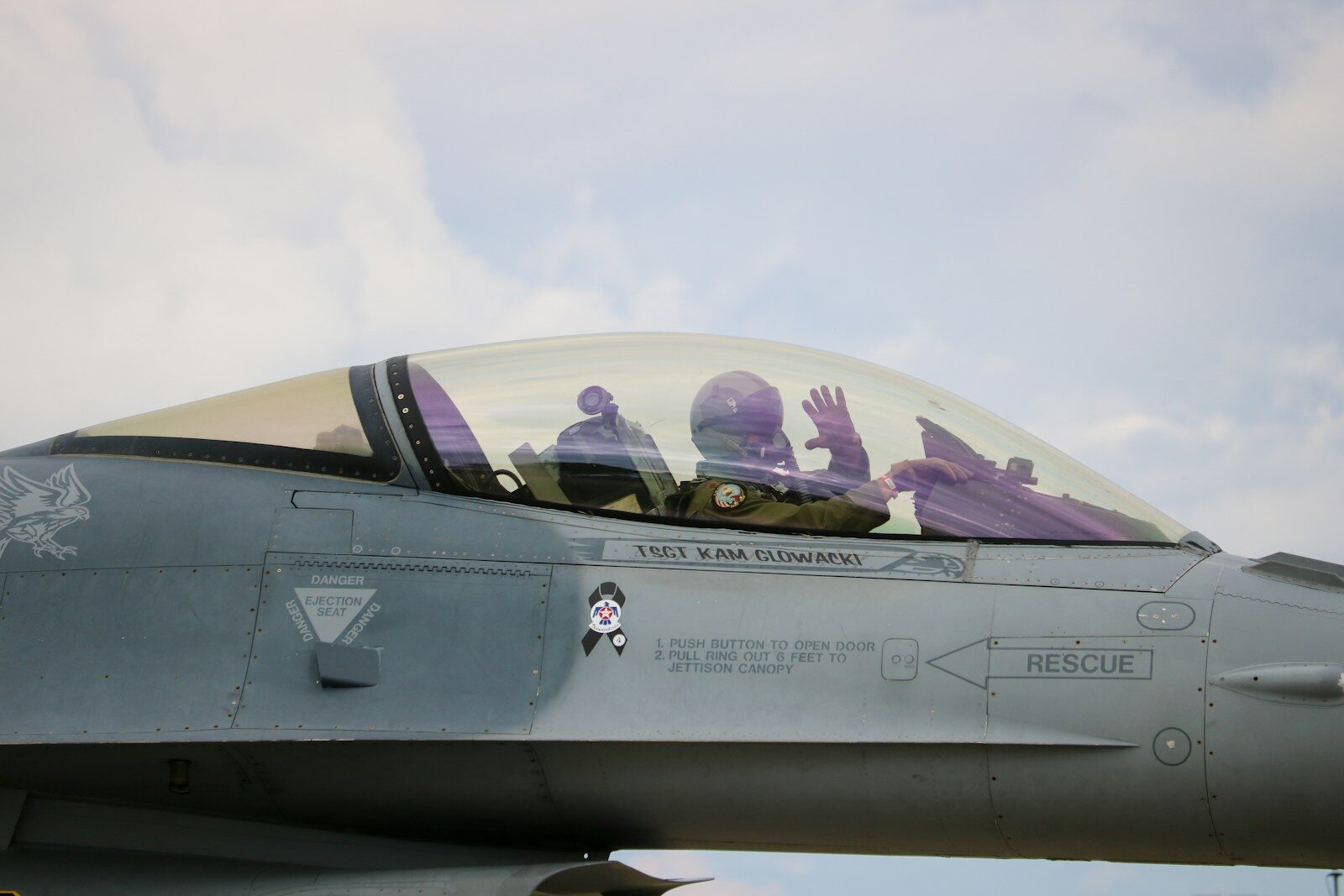
Artificial intelligence is transforming industries across the globe—from healthcare and finance to transportation and education. But perhaps the most controversial and consequential application of AI lies in the realm of national security and military power.
Recent comments from OpenAI CEO Sam Altman have reignited a global debate: once powerful AI tools are released into the world, companies may have little control over how governments and military organizations ultimately use them. Altman acknowledged that OpenAI cannot fully prevent the Pentagon or other defense agencies from applying AI technologies in ways the company may not anticipate or control.
This admission highlights a growing tension between technological innovation, corporate responsibility and the strategic ambitions of governments seeking to harness AI for military advantage.

The Expanding Role of AI in Modern Warfare
Artificial intelligence has already begun reshaping how modern militaries operate. Advanced algorithms are increasingly used for:
- Intelligence analysis
- Surveillance and reconnaissance
- Cybersecurity defense and cyber warfare
- Autonomous drones and robotic systems
- Battlefield logistics and decision support
AI systems can process enormous datasets far faster than humans, identifying patterns and potential threats that might otherwise go unnoticed. This capability makes AI particularly attractive for defense agencies seeking faster and more accurate decision-making.
However, the integration of AI into military systems also raises profound ethical and geopolitical questions.
Why AI Companies Cannot Fully Control Their Technology
When AI models are developed and released, especially through open platforms or widely distributed software, controlling downstream usage becomes extremely difficult.
Several factors contribute to this challenge:
1. Open Access and APIs
Many AI companies provide developers access through APIs or open models. Once tools are integrated into other systems, tracking their final use becomes complicated.
2. Dual-Use Technology
AI is inherently dual-use, meaning the same technology can serve both civilian and military purposes. For example, an image recognition system used in medical diagnostics could also be used in surveillance.
3. Government Procurement
Governments may purchase AI technologies directly or indirectly through contractors and third-party vendors, limiting the ability of original developers to enforce restrictions.
4. Global Replication
Even if one company restricts military use, similar models can be developed elsewhere, including by rival nations.
Because of these factors, many experts believe technological control mechanisms alone cannot fully prevent military adoption.
The Pentagon’s Growing Interest in Artificial Intelligence
The United States Department of Defense has significantly expanded its AI initiatives in recent years. Programs include:
- AI-powered intelligence analysis
- Autonomous drone development
- Predictive maintenance systems for military equipment
- Cyber defense platforms
- Data-driven battlefield planning tools
The Pentagon’s Joint Artificial Intelligence Center (JAIC), along with newer defense innovation units, has focused on integrating AI across multiple branches of the military.
The goal is to improve operational efficiency, reduce human workload and maintain strategic advantage in a rapidly evolving technological landscape.
The Global AI Arms Race
The United States is not alone in pursuing military AI capabilities. Several major powers are investing heavily in AI-driven defense technologies.
China
China has made AI leadership a national priority and is investing in autonomous systems, surveillance technologies and military decision-support systems.
Russia
Russia has experimented with AI-assisted drones, robotic combat vehicles and advanced cyber capabilities.
European Nations
European countries are exploring AI for defense coordination, intelligence gathering and cybersecurity.
This global competition is often described as an emerging AI arms race, where technological superiority could influence geopolitical power balances.
Ethical Concerns Surrounding Military AI
The integration of artificial intelligence into warfare raises serious ethical concerns.
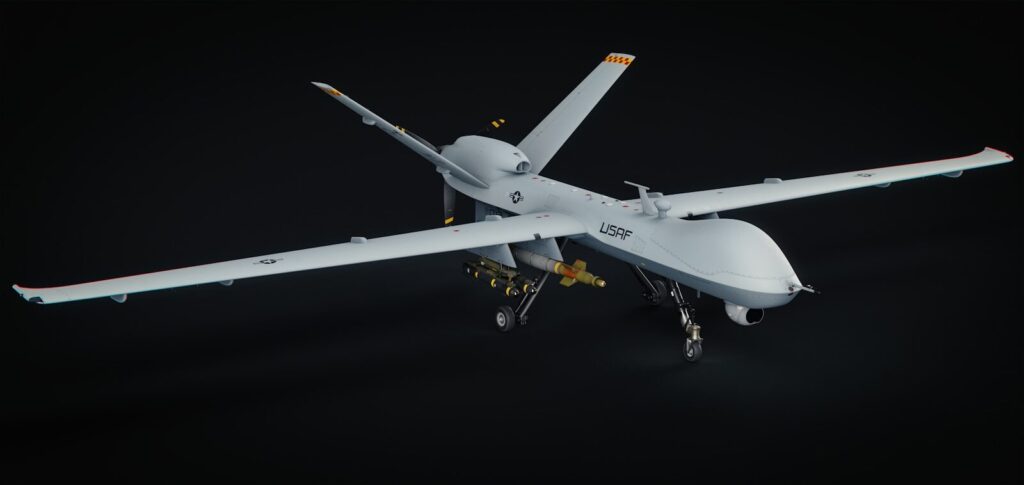
Autonomous Weapons
One of the most debated issues is the development of autonomous weapons capable of selecting and engaging targets without human intervention.
Critics argue that such systems could:
- Lower the threshold for conflict
- Increase accidental escalation
- Remove human judgment from life-and-death decisions
Accountability and Responsibility
If an AI system makes a mistake during a military operation, determining responsibility becomes complicated. Questions arise about whether the blame lies with developers, operators or commanders.
Civilian Harm
AI-driven surveillance or targeting systems could increase risks to civilian populations if misused or deployed without adequate oversight.
These concerns have led to calls for international agreements regulating the use of AI in warfare.
The Role of Tech Companies in Defense Technology
Technology companies increasingly find themselves caught between innovation and ethical responsibility.
Some firms have embraced defense partnerships, arguing that collaboration with democratic governments ensures responsible AI development. Others have faced internal employee protests over military contracts.
In recent years:
- Tech workers have organized petitions opposing AI weapons projects
- Companies have created ethical guidelines governing AI deployment
- Governments have encouraged closer collaboration with private tech firms
Balancing national security interests with corporate ethics remains an ongoing challenge.
Regulation and International Governance
Many policymakers and researchers believe that global cooperation will be necessary to manage the risks of military AI.
Possible regulatory approaches include:
- International treaties limiting autonomous weapons
- Transparency requirements for military AI systems
- Ethical standards for AI development
- Export controls on advanced AI technologies
However, achieving international consensus is difficult, particularly as countries view AI capabilities as strategic assets.
The Limits of Technological Safeguards
AI companies have attempted to implement safeguards to limit harmful uses of their technologies. These may include:
- Usage policies prohibiting certain applications
- Content moderation filters
- Monitoring of API activity
- Licensing agreements restricting military use
Yet these safeguards cannot guarantee full compliance. Once technology spreads widely, enforcement becomes challenging.
This reality underscores the broader issue: powerful technologies often outgrow the control mechanisms designed to govern them.
The Future of AI and National Security
As artificial intelligence becomes more advanced, its influence on military strategy will likely deepen.
Future developments could include:
- AI-assisted battlefield simulations
- Autonomous reconnaissance swarms
- Real-time intelligence fusion systems
- AI-driven cyber defense networks
- Predictive conflict modeling
These technologies could transform military decision-making, potentially making conflicts faster and more technologically complex.
The challenge for policymakers, technologists and society will be ensuring that these capabilities are used responsibly.
Frequently Asked Questions (FAQs)
1. Why can’t AI companies control how governments use their technology?
Once AI tools are distributed through software platforms, APIs or open models, it becomes difficult to monitor every application. Governments can also access similar technologies through other sources.
2. Does OpenAI directly work with the Pentagon?
Technology companies sometimes collaborate with defense agencies through research partnerships or contracts. However, companies may not control how third parties apply their technologies.
3. What is the concern about autonomous weapons?
Autonomous weapons could operate without direct human oversight, raising concerns about accountability, ethical decision-making and the risk of unintended escalation.
4. Are there international laws regulating AI weapons?
Currently, there is no comprehensive global treaty specifically regulating AI-powered weapons, although discussions are ongoing within international organizations.
5. Why are governments investing heavily in AI for defense?
AI offers advantages in speed, data analysis and operational efficiency, which can provide strategic benefits in intelligence and military operations.
6. Could AI make wars more dangerous?
Potentially. Faster decision-making and autonomous systems could increase the speed of conflicts and reduce opportunities for human intervention.
7. What role should tech companies play in military AI?
This remains a major debate. Some argue companies should avoid military applications entirely, while others believe responsible collaboration with governments is necessary for national security.
Conclusion
Artificial intelligence is rapidly becoming one of the most powerful technologies shaping global security. As AI systems spread across industries and nations, controlling their use becomes increasingly difficult.
Sam Altman’s acknowledgement that OpenAI cannot fully control how governments use AI reflects a broader truth about technological progress: once powerful tools enter the world, their applications often extend beyond their creators’ intentions.
The challenge ahead is not simply developing advanced AI, but ensuring that humanity can manage its risks responsibly—especially when the stakes involve national security, global stability and the ethics of warfare.
Sources The Guardian