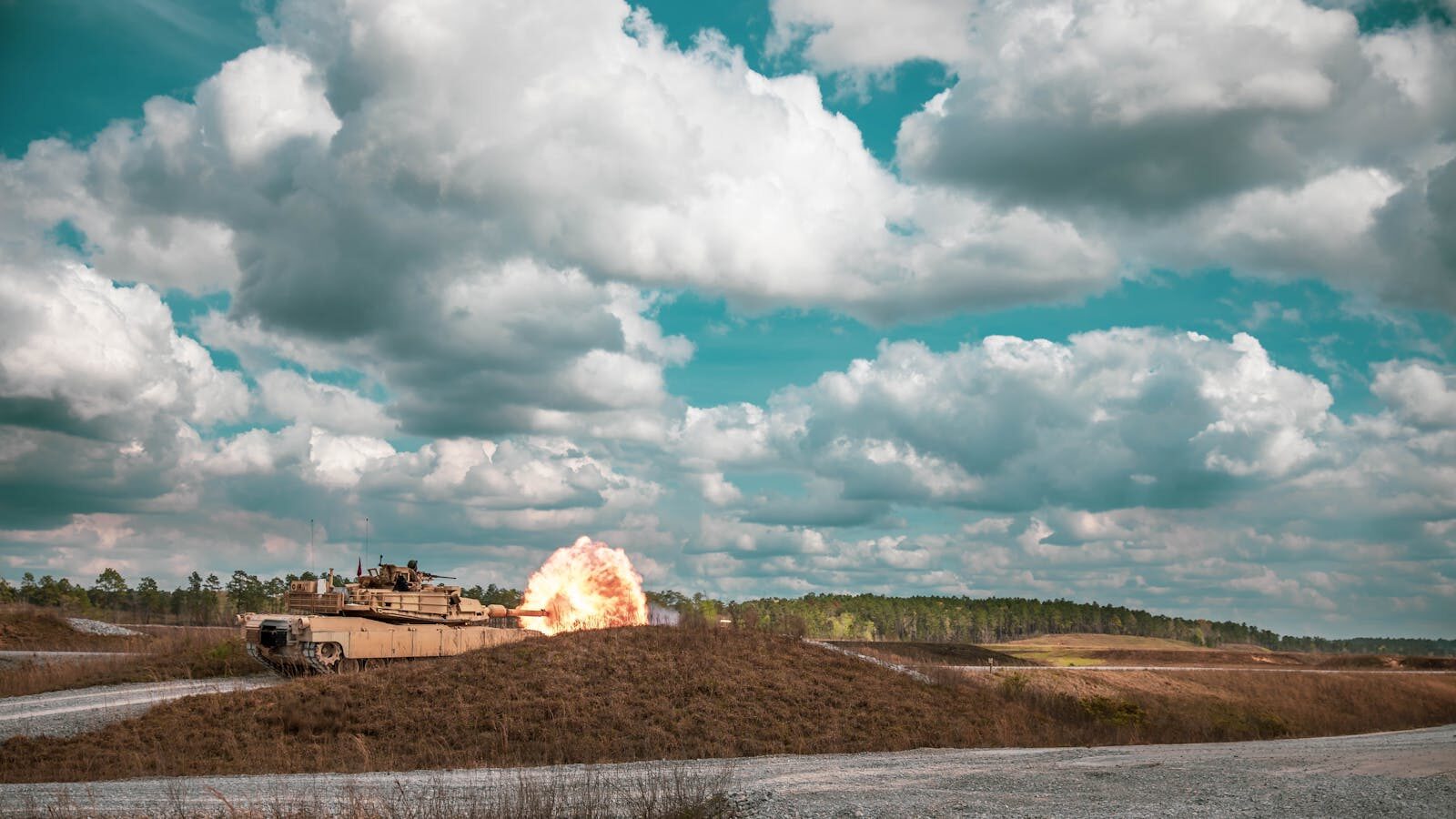
Artificial intelligence is rapidly transforming the nature of modern warfare. The ongoing conflict involving Iran, the United States, and regional allies has become one of the clearest demonstrations yet of how AI technologies can reshape military strategy, accelerate battlefield decisions, and alter the balance of power.
Unlike previous conflicts where AI played a limited role in logistics or intelligence, the Iran conflict shows AI operating at nearly every stage of military operations—from analyzing surveillance data to planning strikes and coordinating drone defenses.
But while AI provides unprecedented speed and efficiency, it also raises serious concerns about human oversight, ethical accountability, and the risk of faster escalation in global conflicts.
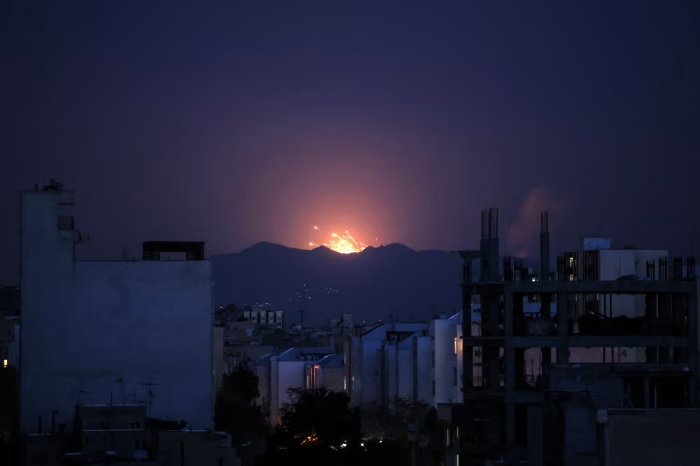
How AI Is Changing the Battlefield
Artificial intelligence has become a critical component of modern military systems. In the Iran conflict, AI tools have been used to analyze massive amounts of intelligence data, identify potential targets, and simulate combat scenarios before strikes occur.
These systems can process satellite imagery, intercepted communications, drone footage, and surveillance feeds at speeds far beyond human capability. By identifying patterns and highlighting potential threats, AI allows military planners to make faster decisions about where and when to deploy resources.
This capability significantly shortens what military strategists call the “kill chain”—the time between identifying a target and executing an attack.
In some operations, hundreds of targets were analyzed and prioritized within hours, enabling rapid coordinated strikes.
AI-Powered Intelligence and Target Identification
One of the most impactful uses of AI in the conflict has been intelligence analysis.
Modern military operations generate enormous amounts of data from:
- Satellite imagery
- Surveillance drones
- Communications intercepts
- Traffic cameras and urban sensors
- Electronic signals and cyber intelligence
AI systems can sift through these datasets to detect suspicious movements, track military assets, and flag potential targets.
In reported operations, AI systems were used to process large volumes of intelligence data and help identify priority targets during major strikes.
Without AI assistance, analysts might take days or weeks to process similar information.
Generative AI in Military Planning
One of the most surprising developments in the Iran conflict has been the use of generative AI models for military planning.
These systems can:
- Simulate potential battlefield scenarios
- Predict enemy responses
- Evaluate multiple strike options
- Recommend optimal strategies
Military planners can run thousands of simulated scenarios in minutes, helping commanders determine the most effective course of action.
In some cases, generative AI has been used to generate mission plans and recommend weapon deployment strategies based on available intelligence.
AI and Drone Warfare
Drones have become central to modern warfare, and AI is making them even more effective.
AI-powered drones can:
- Navigate complex environments autonomously
- Identify targets using computer vision
- Coordinate with other drones in swarms
- Adjust flight paths to avoid defenses
Both offensive and defensive drone systems have played major roles in the conflict.
For example, counter-drone technologies using AI are capable of intercepting hostile drones autonomously, offering cheaper alternatives to traditional missile defense systems.
These systems are especially important as drone swarms become more common in modern warfare.
AI in Cyber Warfare
Beyond physical combat, AI is also transforming cyber warfare.
In the Iran conflict, cyber operations have reportedly targeted:
- Military communication networks
- Missile guidance systems
- Banking infrastructure
- Digital propaganda networks
AI-powered cyber tools can identify vulnerabilities in enemy networks and launch automated attacks that disrupt critical systems.
These cyber operations can weaken enemy capabilities before physical strikes even occur.
Space and Surveillance Technologies
AI is also integrated into satellite and space-based surveillance systems.
Military satellites equipped with advanced sensors use AI to:
- Detect missile launches
- Track troop movements
- Monitor battlefield activity
- Coordinate defensive responses
These systems provide near real-time intelligence, allowing rapid responses to threats.
Combined with cyber intelligence and drone reconnaissance, AI creates a highly interconnected battlefield awareness system.
Ethical Concerns and Risks
Despite its advantages, AI-driven warfare raises significant ethical questions.
Reduced Human Oversight
As AI accelerates decision-making, human commanders may rely too heavily on automated recommendations.
Risk of Civilian Harm
Faster targeting processes could increase the risk of errors or misidentification.
Accountability Challenges
If an AI system contributes to a mistaken attack, determining responsibility becomes complicated.
Escalation Risks
AI-driven systems could compress decision timelines so much that conflicts escalate faster than diplomatic solutions can emerge.
Some analysts warn that “machine-speed warfare” could reduce opportunities for careful deliberation.
The AI Arms Race
The Iran conflict highlights a broader global competition over AI-powered military technologies.
Countries investing heavily in military AI include:
- United States
- China
- Russia
- Israel
- Iran
- European defense alliances
Each nation seeks to develop faster, smarter and more autonomous military systems.
This emerging AI arms race could reshape global security in the coming decades.
The Future of AI Warfare
Experts believe that AI will become even more central to military operations in the future.
Possible developments include:
- Fully autonomous drone swarms
- AI-controlled missile defense systems
- Predictive battlefield analytics
- AI-assisted command centers
- Advanced cyber warfare automation
However, many policymakers and researchers argue that international regulations may be necessary to ensure AI technologies are used responsibly.
Frequently Asked Questions (FAQs)
1. How is AI being used in the war involving Iran?
AI is used for intelligence analysis, target identification, strike planning, cyber operations, drone control, and battlefield simulations.
2. Does AI directly control weapons?
In most cases, humans remain involved in final decisions. AI usually assists with analysis and recommendations rather than executing attacks independently.
3. Why is AI so useful in modern warfare?
AI can process massive datasets quickly, detect patterns, and provide insights that help military planners make faster decisions.
4. What are the risks of AI-powered warfare?
Risks include reduced human oversight, accidental escalation, civilian casualties, and challenges in assigning responsibility for mistakes.
5. Are other countries developing military AI?
Yes. Major global powers are investing heavily in AI-driven defense technologies as part of a growing technological arms race.
6. Could AI make wars more frequent?
Some experts worry that faster decision-making could lower the threshold for military action, potentially increasing the likelihood of conflict.
7. Is there international regulation of AI in warfare?
Currently, there are limited global agreements governing military AI, though discussions about ethical guidelines and restrictions are ongoing.
Conclusion
The conflict involving Iran may represent a turning point in the history of warfare. Artificial intelligence is no longer just a support tool—it is becoming a core component of military strategy.
AI enables faster intelligence analysis, rapid targeting, advanced drone operations, and sophisticated cyber warfare capabilities. These innovations give militaries unprecedented power but also introduce new ethical and strategic risks.
As nations continue integrating AI into defense systems, the challenge will be ensuring that technology enhances security without undermining human control, accountability, and global stability.
The age of algorithmic warfare has arrived—and the Iran conflict may be one of its clearest demonstrations yet.
Sources The Wall Street Journal