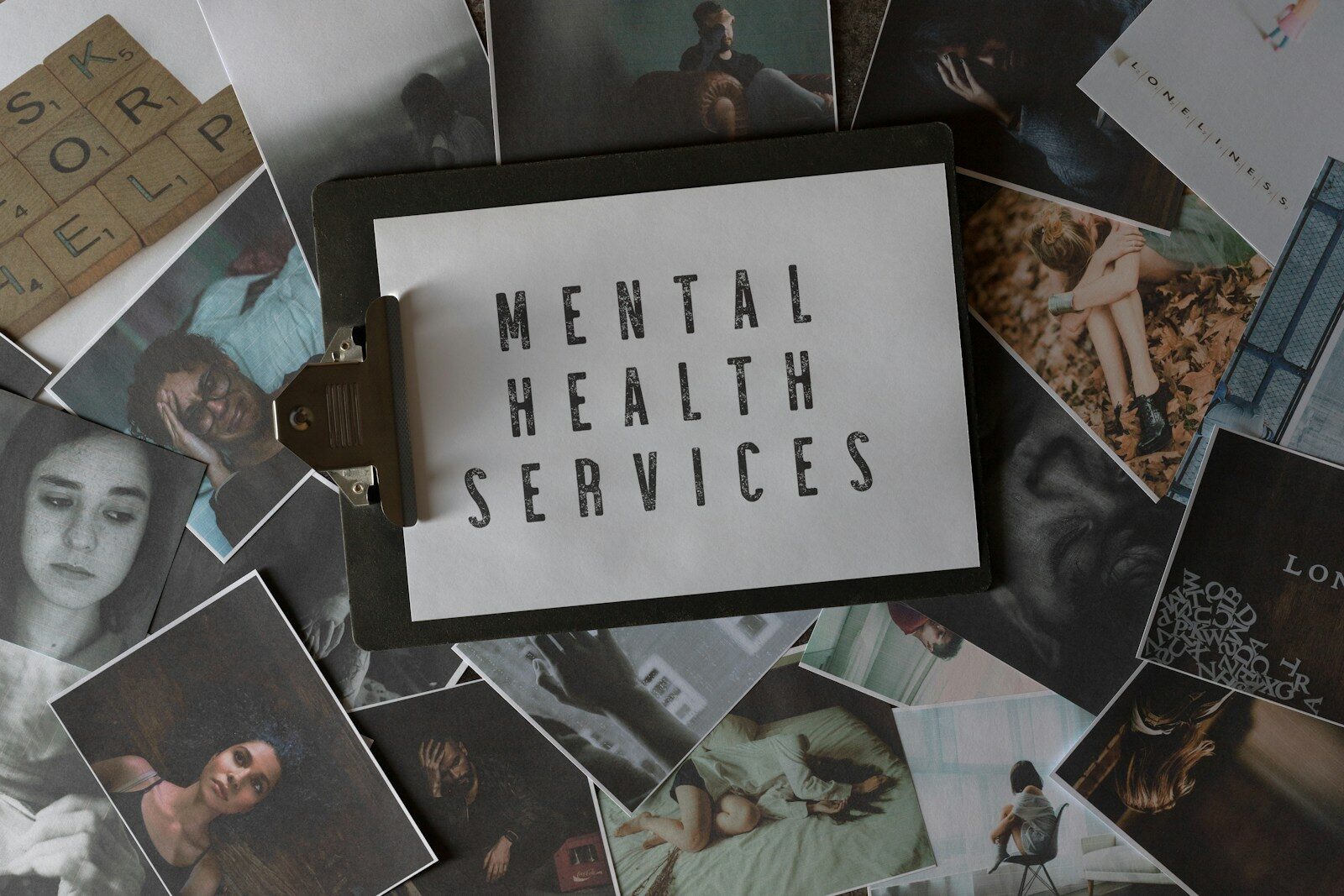
As artificial intelligence continues to reshape healthcare, one of the most sensitive areas it is entering is mental health care. Healthcare provider Kaiser Permanente has introduced an AI-assisted screening and triage system designed to manage patient intake more efficiently. But instead of improving care, many therapists are raising serious concerns—arguing that the system may be delaying treatment, misclassifying patients and increasing risks for vulnerable individuals.
This controversy highlights a critical tension in modern healthcare: the push for efficiency through automation versus the need for human judgment in emotionally complex and high-risk situations.
The Promise of AI in Mental Health Care
Healthcare systems worldwide are under pressure.
They face:
- rising demand for mental health services
- shortages of trained therapists
- long waiting times for patients
- increasing administrative burdens
AI-based screening tools are designed to help by:
- prioritizing patients based on urgency
- automating intake assessments
- reducing administrative workload
- speeding up access to care
In theory, these systems allow clinicians to focus more on treatment rather than paperwork.
How AI Screening Systems Work
AI screening tools typically rely on:
- questionnaires completed by patients
- symptom scoring algorithms
- historical patient data
- risk assessment models
Based on this information, the system categorizes patients into different levels of urgency.
For example:
- high-risk cases → immediate attention
- moderate cases → scheduled appointments
- lower-risk cases → delayed or alternative care pathways
These decisions can determine how quickly a patient receives care.
Why Therapists Are Raising Concerns
Despite the intended benefits, many therapists argue that these systems are creating new risks.
Delayed Access to Care
Therapists claim that some patients are being placed in lower-priority categories, leading to delays in treatment—even when they require urgent attention.
In mental health care, delays can have serious consequences, particularly for patients experiencing:
- severe depression
- suicidal thoughts
- anxiety crises
Loss of Clinical Nuance
Mental health conditions are complex and often difficult to quantify.
AI systems rely on structured inputs, but human clinicians consider:
- tone of voice
- emotional expression
- context and life circumstances
- nonverbal cues
These factors are difficult for algorithms to fully capture.
Risk of Misclassification
If a patient underreports symptoms or misunderstands questions, the system may assign an incorrect risk level.
This can result in:
- high-risk patients being overlooked
- inappropriate treatment pathways
- missed warning signs
Reduced Human Oversight
Therapists worry that overreliance on automated systems could reduce direct human evaluation during the intake process.
This shift may prioritize efficiency over clinical judgment.
The Human Impact: Patients at the Center
For patients seeking mental health support, the intake process is often the first—and sometimes most critical—step.
Potential consequences of flawed screening include:
- worsening symptoms during waiting periods
- feelings of being dismissed or misunderstood
- loss of trust in healthcare systems
- increased risk of crisis situations
Mental health care depends heavily on timely intervention, making delays particularly concerning.
The Broader Trend: AI in Healthcare Triage
Kaiser Permanente is not alone in adopting AI for patient triage.
Across the healthcare industry, AI is being used to:
- prioritize emergency room patients
- analyze medical imaging
- predict disease risks
- manage appointment scheduling
While these systems can improve efficiency, they also introduce new challenges related to:
- accuracy
- bias
- accountability
The Challenge of Scaling Mental Health Services
One reason healthcare providers turn to AI is the growing demand for mental health care.
Factors contributing to this demand include:
- increased awareness of mental health issues
- social and economic stressors
- long-term effects of the COVID-19 pandemic
At the same time, there is a shortage of licensed therapists.
AI is seen as a way to bridge this gap—but it may not fully replace human expertise.
Ethical and Safety Considerations
The use of AI in mental health raises important ethical questions.
Patient Safety
How can systems ensure that high-risk individuals are not overlooked?
Accountability
Who is responsible if an AI system makes a harmful decision?
Transparency
Do patients understand how decisions about their care are being made?
Equity
Could AI systems introduce bias, affecting certain groups disproportionately?
These concerns highlight the need for careful implementation and oversight.
Finding the Right Balance
Experts emphasize that AI should support—not replace—human clinicians.
Best practices may include:
- combining AI screening with human review
- regularly auditing AI systems for accuracy
- allowing clinicians to override algorithmic decisions
- improving patient communication about how systems work
The goal is to use technology to enhance care without compromising safety.
The Future of AI in Mental Health
AI will likely continue to play a role in healthcare, including mental health services.
Future improvements may include:
- more sophisticated models that understand context and nuance
- better integration with clinical workflows
- enhanced safety protocols
- personalized care recommendations
However, the success of these systems will depend on maintaining a human-centered approach.
Frequently Asked Questions (FAQs)
1. What is AI screening in mental health care?
It is the use of algorithms to assess patient symptoms and determine how urgently they need care.
2. Why are therapists concerned about these systems?
They worry that AI may misclassify patients, delay treatment and overlook important clinical nuances.
3. Can AI replace human therapists?
No. AI can assist with administrative and screening tasks, but human judgment is essential for diagnosis and treatment.
4. What are the risks of AI triage systems?
Risks include inaccurate assessments, delayed care, reduced oversight and potential bias.
5. Why are healthcare providers using AI?
To manage growing demand, reduce administrative burdens and improve efficiency.
6. How can AI be used safely in healthcare?
By combining it with human oversight, regularly testing systems and prioritizing patient safety.
7. What does this mean for patients?
Patients should be aware that AI may be part of the intake process, but they can still advocate for timely care and human evaluation.
Conclusion
The debate over AI screening in mental health care reflects a larger question facing the healthcare industry: how to balance efficiency with compassion, and automation with human judgment.
While AI offers powerful tools to address growing demand, it also introduces risks that must be carefully managed—especially in areas as sensitive as mental health.
Ultimately, technology should serve as a support system, not a gatekeeper. Ensuring that patients receive timely, accurate and empathetic care will require not just smarter algorithms—but strong human oversight and a commitment to putting patients first.
Sources The Guardian