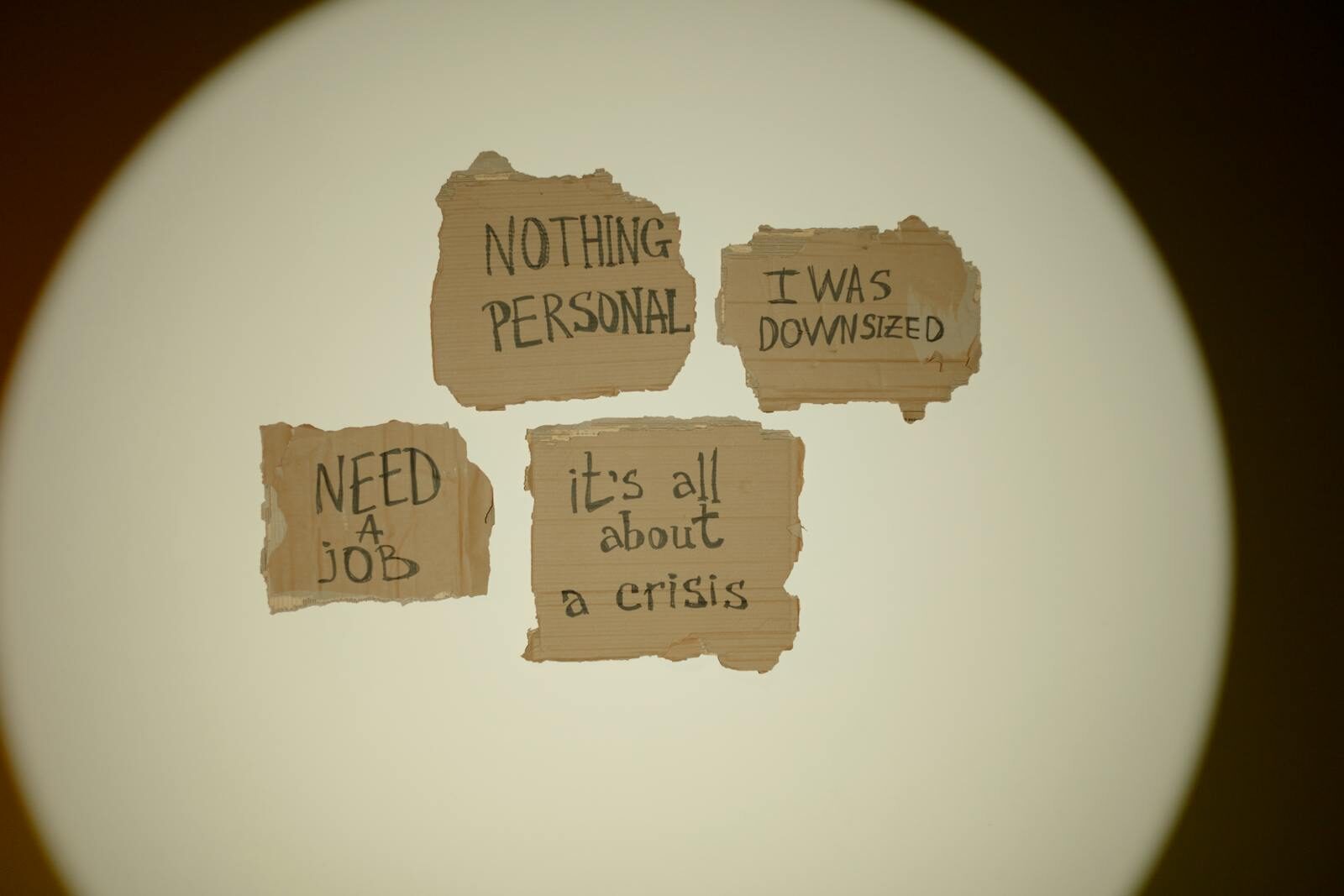
As artificial intelligence rapidly transforms industries, JPMorgan Chase CEO Jamie Dimon has issued a stark but measured warning: AI will significantly impact jobs—and society must prepare now, not later.
Unlike alarmist predictions of mass unemployment, Dimon’s message is more nuanced. He acknowledges that AI will create opportunities and boost productivity—but also emphasizes that job displacement is real, and without proactive planning, the transition could be painful for millions of workers.
His call is clear: businesses and governments must work together to manage the disruption, not just react to it.

The Reality: AI Will Change Jobs at Scale
Artificial intelligence is already reshaping how work gets done.
Across industries, AI is being used to:
- automate repetitive administrative tasks
- analyze large datasets in seconds
- assist with customer service and support
- generate content, code and reports
This leads to a fundamental shift:
👉 Tasks—not entire jobs—are being automated first.
However, when enough tasks within a role are automated, the role itself may shrink, evolve or disappear.
Dimon’s Warning: Prepare for Displacement
Jamie Dimon’s concern is not that AI will eliminate all jobs—but that the transition will be uneven and disruptive.
Key risks include:
Short-Term Job Losses
Certain roles—especially routine or repetitive ones—may decline quickly.
Skill Gaps
Workers may not have the skills needed for emerging AI-driven roles.
Unequal Impact
Some industries and regions will be affected more than others.
Social and Economic Strain
Without support, displaced workers may face long periods of unemployment.
The Opportunity: Productivity and Growth
Despite these risks, AI also presents enormous economic potential.
Dimon highlights that AI could:
- increase productivity across industries
- reduce costs for businesses
- accelerate innovation
- create entirely new categories of jobs
Historically, technological revolutions have led to net job creation over time—but not without disruption.
Why This Transition Is Different
While past technological shifts (like automation or the internet) transformed work, AI introduces unique challenges.
Speed of Change
AI is advancing faster than previous technologies, leaving less time for adaptation.
Breadth of Impact
AI affects both:
- blue-collar jobs (through automation)
- white-collar jobs (through cognitive tasks)
Cognitive Automation
Unlike earlier technologies, AI can perform tasks that require:
- reasoning
- language processing
- decision-making
This expands its reach into professional roles.
The Call for Government-Business Collaboration
Dimon emphasizes that managing AI’s impact requires coordination between:
- governments
- corporations
- educational institutions
Key Areas for Action:
1. Reskilling and Education
Workers need access to:
- training programs
- digital skills development
- continuous learning opportunities
Education systems must evolve to prepare future workers for AI-driven roles.
2. Workforce Transition Support
Policies may include:
- unemployment support
- job placement programs
- career transition services
3. Incentives for Job Creation
Governments can encourage businesses to:
- invest in human capital
- create new roles alongside AI adoption
- support workforce development initiatives

4. Public-Private Partnerships
Collaboration can accelerate:
- training programs
- infrastructure development
- innovation ecosystems
Which Jobs Are Most at Risk?
While AI will affect nearly all industries, some roles are more vulnerable.
High Risk:
- administrative and clerical work
- customer support roles
- data entry and processing jobs
- basic content generation
Lower Risk (for now):
- creative roles requiring originality
- jobs involving complex human interaction
- skilled trades
- strategic decision-making positions
However, even these roles may be augmented by AI.
The Rise of Hybrid Jobs
One of the most important trends is the emergence of hybrid roles, where humans and AI work together.
Examples include:
- AI-assisted analysts
- augmented customer service agents
- AI-powered marketers
- developers using AI coding tools
In these roles, workers become more productive by leveraging AI.
The Risk of Inaction
Dimon’s warning is not just about technology—it’s about timing.
If governments and businesses fail to act:
- inequality could increase
- social unrest could grow
- economic transitions could become more painful
Proactive planning is essential to avoid these outcomes.
Lessons from Past Technological Shifts
History offers important insights.
Industrial Revolution
Created new industries but displaced manual labor.
Automation Era
Increased efficiency but reduced certain manufacturing jobs.
Internet Revolution
Created entirely new sectors while disrupting others.
AI follows a similar pattern—but at a faster pace.
What Individuals Can Do
While policy and corporate action are critical, individuals also play a role.
Upskill Continuously
Learn AI tools and digital skills.
Adapt Mindsets
Be open to changing roles and industries.
Focus on Human Strengths
Develop skills that AI struggles with, such as:
- creativity
- empathy
- critical thinking
The Future of Work: Transformation, Not Collapse
Despite concerns, the future of work is unlikely to be defined by mass unemployment.
Instead, it will involve:
- job transformation
- new roles emerging
- increased collaboration between humans and AI
The challenge is ensuring that this transition is inclusive and well-managed.
Frequently Asked Questions (FAQs)
1. Will AI cause widespread job losses?
AI will displace some jobs, especially repetitive roles, but it is also expected to create new opportunities.
2. What is Jamie Dimon warning about?
He is warning that AI-driven job disruption could be significant and requires proactive planning.
3. Which jobs are most at risk?
Administrative, clerical and routine roles are most vulnerable to automation.
4. Can AI create jobs?
Yes. AI can generate new industries, roles and opportunities, especially in tech and data-driven fields.
5. What should governments do?
Invest in education, reskilling programs and policies that support workforce transitions.
6. How can workers prepare?
By learning new skills, adapting to change and using AI tools to enhance productivity.
7. Is AI more disruptive than past technologies?
It may be, due to its speed, scale and ability to automate cognitive tasks.

Conclusion
Jamie Dimon’s warning highlights a critical moment in the evolution of work. Artificial intelligence has the potential to drive enormous economic growth—but also to disrupt millions of lives if not managed carefully.
The future of work will not be determined by technology alone, but by how society chooses to respond to it.
With the right strategies—education, collaboration and forward-thinking policies—AI can become a force for shared prosperity rather than division.
The time to prepare is not after disruption happens. It is now.
Sources CNBC