
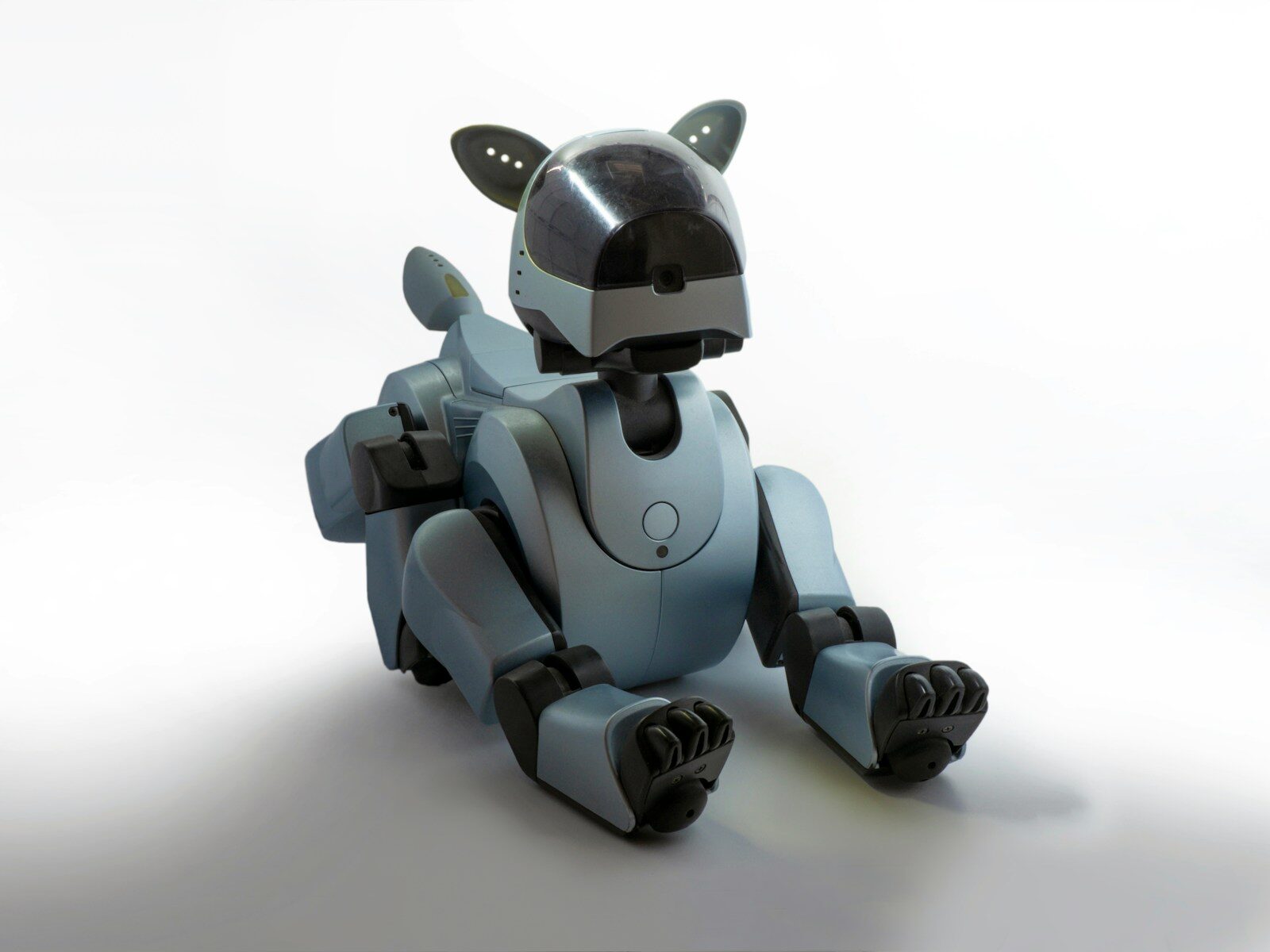
It started with a vacuum.
A simple robot cleaning your floor.
Now?
That same machine might feel like part of your family.
From robotic pets to smart home assistants, AI-powered machines are no longer just tools.
They’re becoming something else:
Familiar. Personal. Even emotional.
And that shift is changing how humans interact with technology in ways few expected.
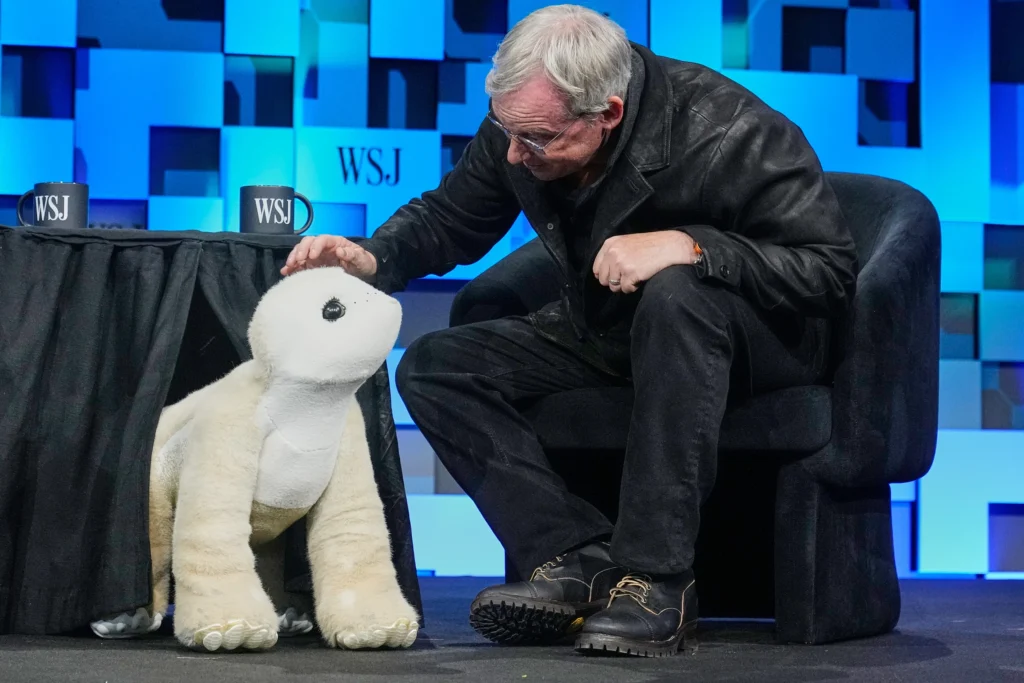
The Rise of “Familiar Machines”
Devices like robotic vacuums (think Roomba) were designed for:
- Convenience
- Automation
- Efficiency
But something interesting happened.
People started to:
- Name them
- Talk to them
- Feel attached to them
This phenomenon is known as:
“Familiar machines” — technology that feels socially present, even if it isn’t alive
Why Humans Bond With Robots
This isn’t random.
It’s human psychology.
1. We’re Wired to Humanize Objects
Humans naturally:
- Assign personalities
- Interpret behavior
- Create emotional connections
Even simple actions like:
- Moving around
- Responding to input
Can trigger:
A sense of “life”
2. AI Makes Machines Feel Smarter
Modern AI allows devices to:
- Learn habits
- Adapt behavior
- Respond intelligently
This makes interactions feel:
More personal and less mechanical
3. Consistency Builds Trust
Unlike humans, machines:
- Don’t judge
- Don’t get tired
- Behave predictably
This can create:
A sense of comfort and reliability
The Evolution: From Tools to Companions
We’re moving through stages:
Stage 1: Functional Tools
- Vacuum cleaners
- Smart thermostats
Stage 2: Smart Assistants
- Voice assistants
- AI-powered apps
Stage 3: Emotional Interfaces
- Robotic pets
- Companion bots
- Social AI systems
The Role of Robotic Pets
Robotic pets are designed to:
- Mimic real animal behavior
- Respond to touch and voice
- Provide companionship
They are especially useful for:
- Elderly individuals
- People living alone
- Those unable to care for real pets
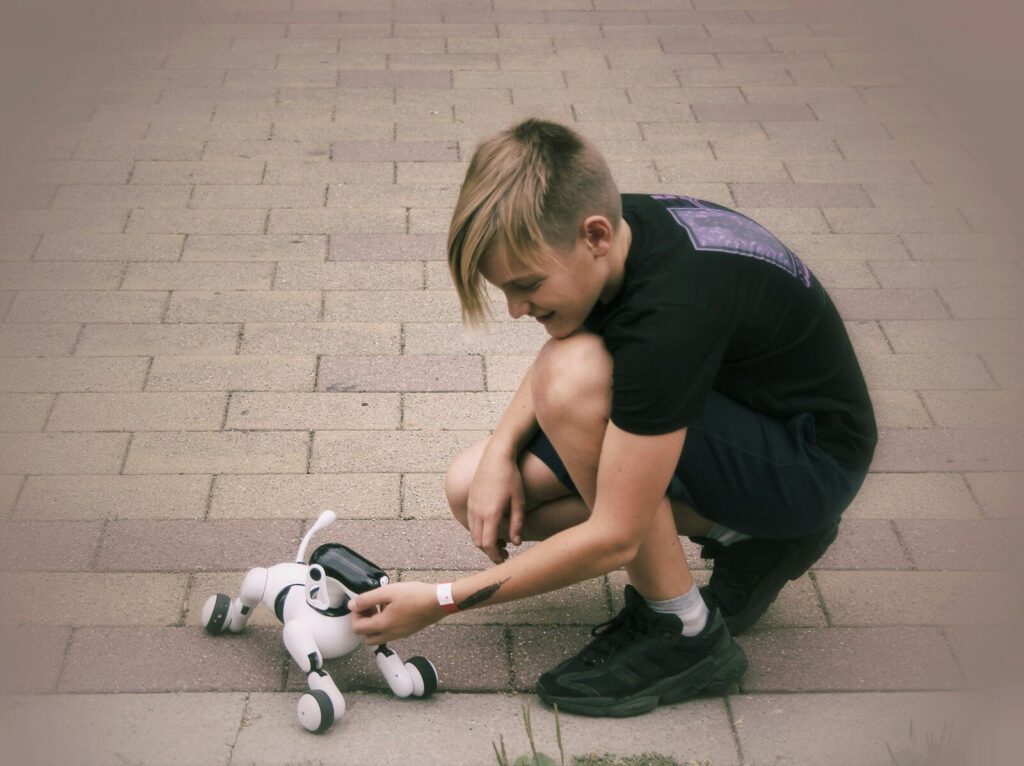
The Surprising Emotional Impact
Users often report:
- Feeling less lonely
- Talking to their devices
- Developing routines around them
Even when they know:
“It’s just a machine”
Is This a Good Thing?
That depends on how you look at it.
The Benefits
1. Emotional Support
AI companions can:
- Reduce loneliness
- Provide comfort
2. Accessibility
They offer companionship to people who:
- Can’t have pets
- Live in isolation
3. Simplicity
No need for:
- Feeding
- Cleaning
- Maintenance (compared to real pets)
The Concerns
1. Emotional Substitution
Are machines replacing:
- Human relationships?
2. False Attachment
People may:
- Overestimate AI capabilities
- Form one-sided emotional bonds
3. Data and Privacy
These devices collect:
- Behavioral data
- Interaction patterns
The Business Opportunity
Companies are recognizing a new market:
Emotion-driven technology
This includes:
- Companion robots
- AI-powered toys
- Interactive home devices
The focus is shifting from:
- Utility → Experience
The Future: Living With AI, Not Just Using It
As AI improves, expect:
1. More Expressive Machines
- Better voice interaction
- Emotional responses
2. Deeper Personalization
Devices that:
- Understand preferences
- Adapt to behavior
3. Integration Into Daily Life
AI companions becoming:
- Part of routines
- Part of homes
The Bigger Question: What Counts as “Real”?
As machines become more lifelike, we face a new question:
If something feels real—does it matter if it isn’t?
Frequently Asked Questions (FAQ)
1. What are “familiar machines”?
Devices that feel socially present and emotionally engaging, even though they are not alive.
2. Why do people get attached to robots?
Because humans naturally humanize objects and respond to behavior and interaction.
3. Are robotic pets popular?
Yes, especially among elderly individuals and people seeking companionship.
4. Can AI replace human relationships?
Not fully—but it can supplement emotional needs.
5. Is this healthy?
It can be beneficial, but over-reliance may raise concerns.
6. Do these devices collect data?
Yes—many AI systems track interactions to improve performance.
7. What’s the biggest takeaway?
AI is no longer just functional—
It’s becoming emotional.

Final Thoughts
The relationship between humans and machines is changing.
What used to be:
- Cold
- Mechanical
- Transactional
Is becoming:
- Personal
- Familiar
- Emotional
And as this continues, one thing becomes clear:
The future of technology won’t just be about what machines can do—
But how they make us feel.
Sources AP Newshttps://apnews.com/article/ai-pet-robot-familiar-machines-irobot-roomba-da873ddff1ebcc95f793852b8e53d2d2

