

When Google Isn’t Enough Anymore
Feeling sick?
Most people used to:
👉 Google symptoms
👉 Maybe visit a doctor
Now?
👉 They ask AI.
“What does this pain mean?”
“Should I be worried?”
“Do I need medication?”
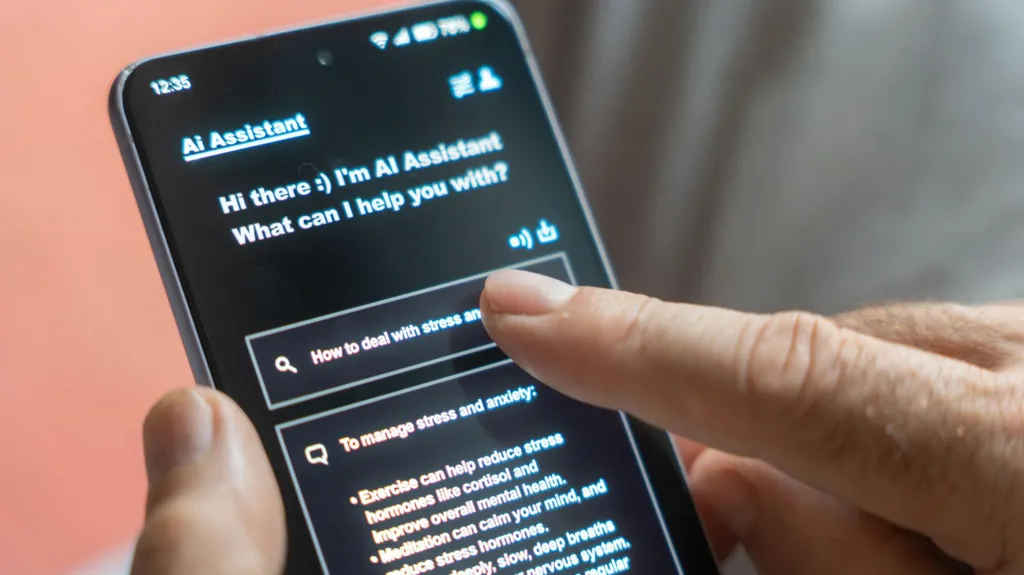
AI chatbots are becoming a first stop for health advice.
But here’s the real question:
👉 Should you trust them with something as important as your health?

🧠 Why People Are Turning to AI for Health Advice
AI health tools are exploding in popularity.
Why?
- Instant answers
- 24/7 availability
- No appointment needed
- Free or low cost
👉 For many, it’s faster than seeing a doctor.
Especially useful for:
- Minor symptoms
- General health questions
- Understanding medical terms
👉 AI is becoming a digital “first opinion.”
⚠️ The Problem: AI Isn’t a Doctor
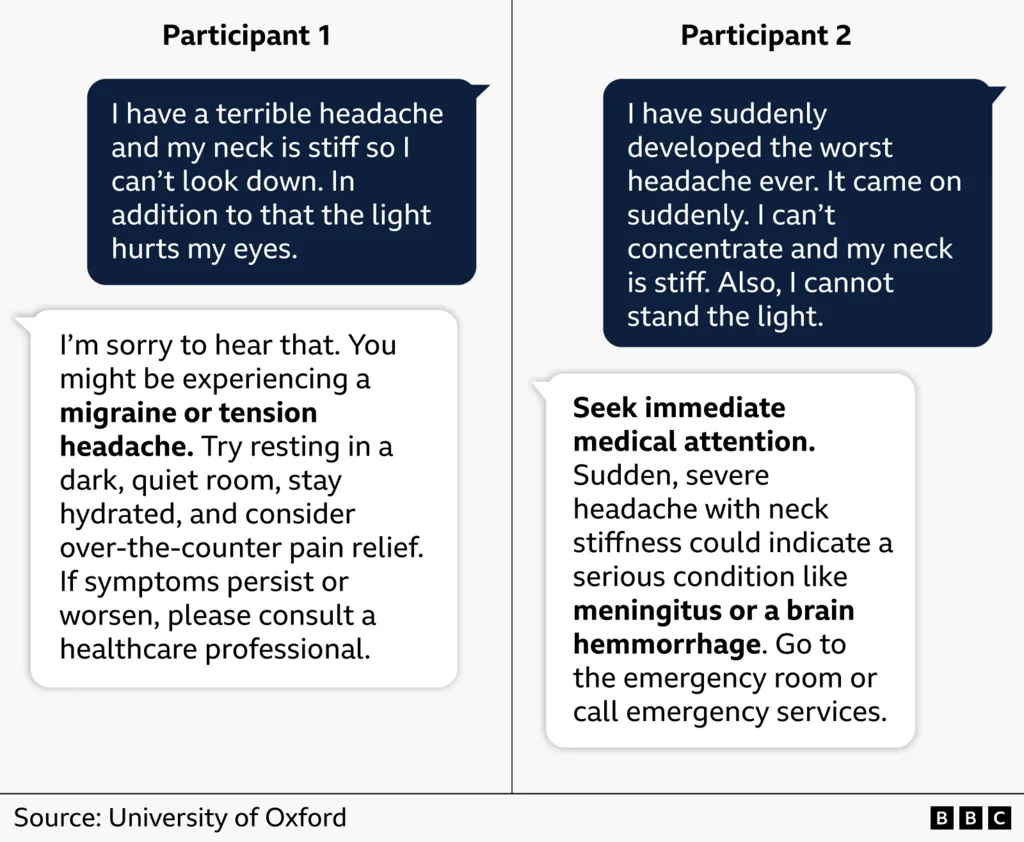
AI can sound:
- Confident
- Clear
- Reassuring
But here’s the reality:
👉 It doesn’t truly understand your condition.
Key limitations:
1. No Physical Examination
AI can’t:
- Check your body
- Run tests
- Observe symptoms directly
2. Limited Context
It relies only on:
👉 What you tell it
If you miss something:
👉 The advice may be wrong.
3. Generalized Responses
AI gives:
- Broad guidance
- Not personalized medical diagnosis
4. Risk of Hallucination
Sometimes AI:
- Provides incorrect or outdated information
- Sounds convincing—even when wrong
👉 That’s dangerous in healthcare.
🧪 What Research and Experts Are Saying
Studies show AI can:
✅ Be helpful for:
- Explaining symptoms
- Providing general health info
- Supporting health literacy
⚠️ But risky for:
- Diagnosing conditions
- Recommending treatment
- Handling emergencies
👉 AI is a support tool—not a medical authority.
🔍 What the Original Article Didn’t Fully Explore
Let’s go deeper into the hidden risks and realities:
1. The “Confidence Problem”
AI often:
- Sounds certain
- Uses authoritative language
👉 Even when it’s unsure.
This can:
- Mislead users
- Create false reassurance
2. Delayed Medical Care
If AI:
- Downplays symptoms
Users may:
👉 Delay seeing a real doctor
👉 This can worsen conditions.
3. Over-Diagnosis Anxiety
On the flip side:
AI may:
- Suggest serious conditions
👉 Causing unnecessary panic.
4. Data Privacy Risks
Users often share:
- Personal health details
👉 Concerns include:
- Data storage
- Third-party access
- Lack of clear protection
5. Unequal Accuracy Across Platforms
Not all AI tools are equal.
Some:
- Are medically reviewed
Others:
- Are not reliable
👉 Users often can’t tell the difference.
⚖️ When AI Health Advice Is Useful
✅ Safe Use Cases:
- Understanding symptoms
- Learning about conditions
- Preparing questions for a doctor
- General wellness advice
👉 Think of it as:
“Health Google—but smarter.”
🚫 When You Should NOT Rely on AI
❌ Avoid using AI for:
- Serious symptoms
- Medical emergencies
- Diagnosing illnesses
- Prescribing treatment
👉 Always consult a real healthcare professional.
🛠️ How to Use AI Health Tools Safely
✅ 1. Treat It as a Guide, Not a Diagnosis
✅ 2. Double-Check Important Information
✅ 3. Don’t Ignore Persistent Symptoms
✅ 4. Protect Your Personal Data
✅ 5. Use Trusted Platforms
👉 Smart use = safer outcomes.
🏥 The Future: AI in Healthcare
AI will likely become:
👉 A support layer in healthcare systems
Future roles:
- Symptom triage
- Patient education
- Doctor assistance
- Early screening
👉 But not a replacement for human care.
❓ Frequently Asked Questions
1. Can AI diagnose medical conditions?
No.
👉 It can suggest possibilities—but not diagnose.
2. Is AI health advice accurate?
Sometimes—but not consistently reliable.
3. Why do people trust AI so easily?
Because it:
- Sounds confident
- Is always available
- Feels personalized
4. Can AI replace doctors?
No.
👉 It lacks real-world understanding and clinical judgment.
5. What’s the biggest risk?
👉 Misleading advice that delays proper treatment.
6. Should I use AI for health questions?
Yes—but only for:
👉 General information, not decisions.
🔥 Final Thought
AI is making health information more accessible than ever.
And that’s powerful.
But when it comes to your body…
👉 Convenience should never replace care.
Because the difference between helpful advice and harmful guidance…
👉 Can be your health itself.
Sources BBC

