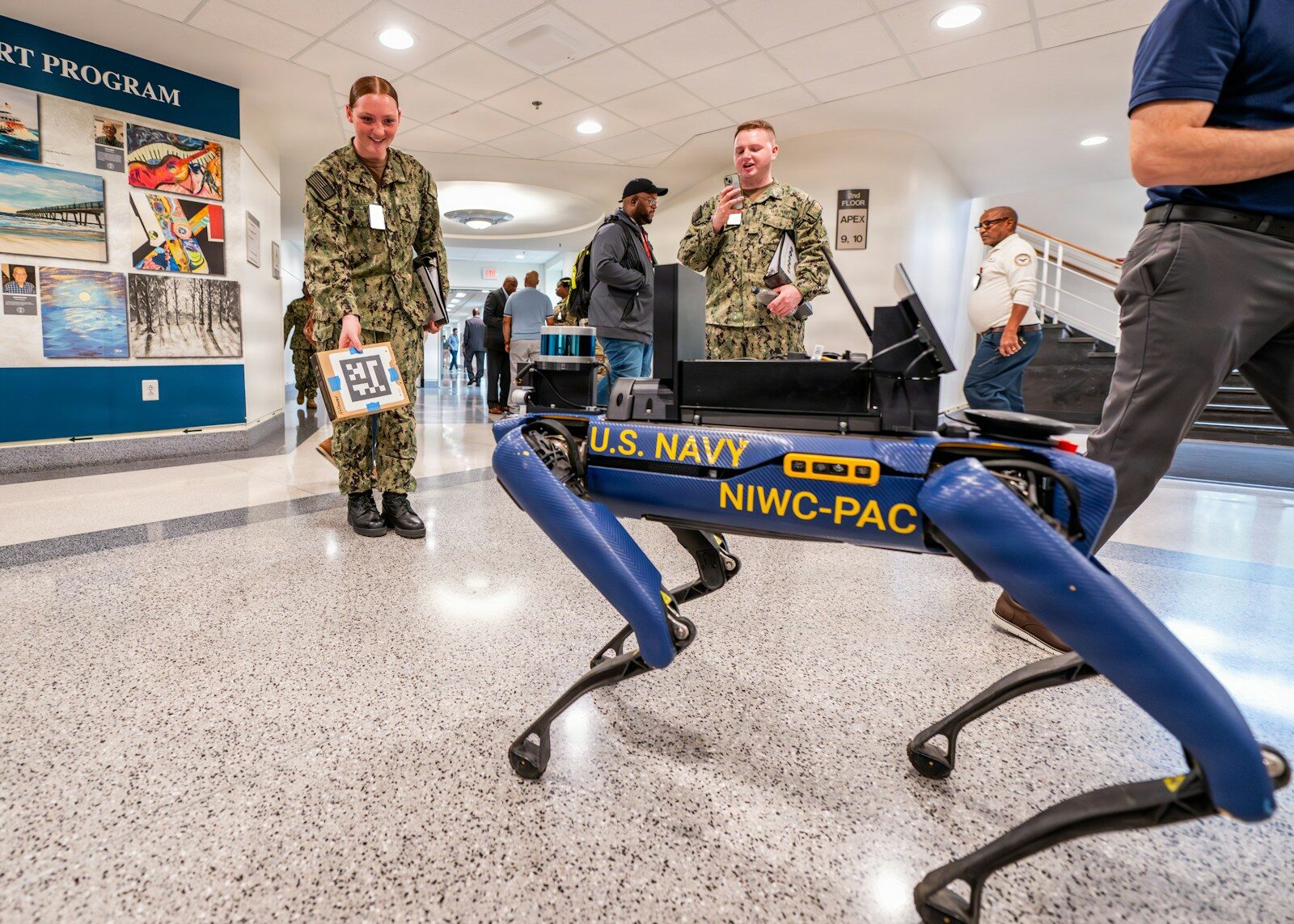
The war in Ukraine has become one of the most important testing grounds for modern military technology. Drones, artificial intelligence, electronic warfare, satellite data, autonomous targeting tools, and robotic systems are reshaping how armies fight. Now, a new question is emerging: could humanoid robots eventually play a role in war?
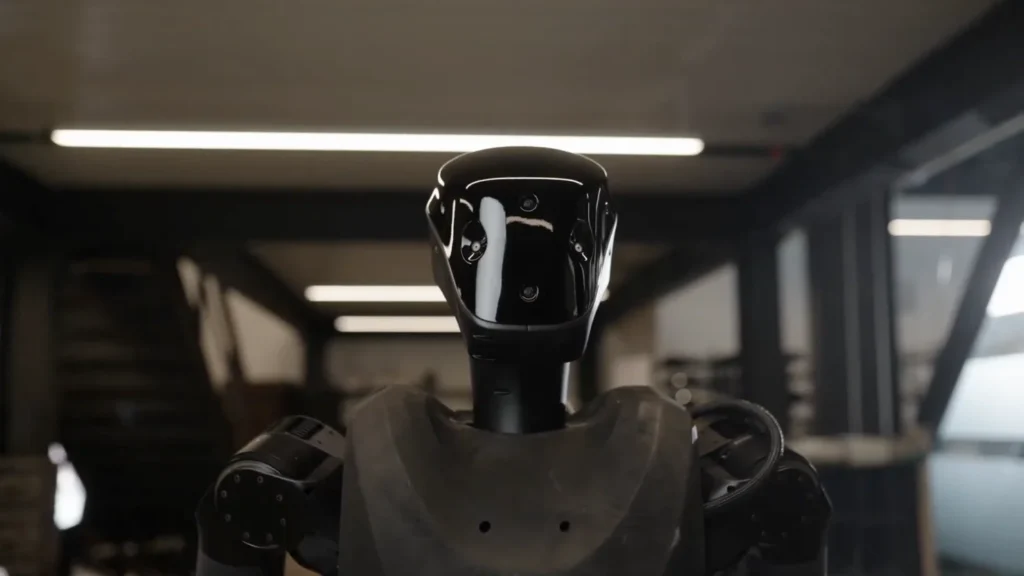
Humanoid robots are machines designed to resemble the human body, usually with two arms, two legs, cameras, sensors, and AI-powered control systems. Companies developing these robots often describe them as future workers for factories, warehouses, hospitals, and disaster zones. But as military interest grows, the same technology could also be adapted for defense uses.
The Ukraine war has accelerated this discussion because it has shown how quickly inexpensive, AI-enabled systems can change the battlefield. Small drones have destroyed tanks, guided artillery, delivered supplies, and gathered intelligence. If drones transformed warfare in the air, some believe humanoid or ground robots could eventually transform operations on land.
Why Ukraine Has Become a Testing Ground for Military Robotics
Ukraine’s battlefield is highly dangerous, heavily monitored, and filled with mines, drones, artillery, and electronic jamming. Sending human soldiers into certain areas can be extremely risky. That has created strong demand for machines that can perform dangerous tasks instead.
Ukraine and its partners have already used or tested many forms of military technology, including:
- Reconnaissance drones
- Explosive first-person-view drones
- Ground robots for mine clearance
- Uncrewed vehicles for logistics
- AI-assisted image recognition
- Electronic warfare systems
- Naval drones
- Sensor networks and battlefield software
This environment makes Ukraine a real-world laboratory for military innovation. Technologies that might have taken years to test in peacetime can be evaluated much faster in combat conditions.
Where Humanoid Robots Could Fit In
Humanoid robots are not yet common on battlefields. Most military robots today are wheeled, tracked, or flying systems because they are simpler, cheaper, and more reliable. However, humanoid robots could eventually offer one advantage: they may be able to operate in environments designed for people.
A robot shaped like a human could potentially climb stairs, open doors, use tools, carry objects, enter buildings, move through trenches, or operate equipment built for soldiers. That makes them interesting for missions where traditional robots struggle.
Possible military or defense-related uses include:
1. Logistics and Supply Delivery
One of the most important battlefield jobs is moving supplies. Ammunition, food, batteries, medical kits, and communication equipment must reach soldiers under dangerous conditions. Humanoid robots could eventually help carry supplies across rough terrain or inside buildings.
2. Casualty Evacuation Support
Removing wounded soldiers from combat zones is extremely dangerous. Robots could help carry stretchers, deliver medical supplies, or assist medics in areas exposed to gunfire or drones.
3. Mine and Explosive Ordnance Detection
Ukraine is one of the most heavily mined conflict zones in the world. Robots could help inspect suspicious areas, mark mines, or assist bomb disposal teams. However, for this role, tracked ground robots may remain more practical than humanoids in the near term.
4. Urban Operations
Cities are complex environments full of stairs, doors, rubble, narrow corridors, and basements. Humanoid robots could eventually be useful in urban search, reconnaissance, and hazardous entry missions.
5. Guarding and Patrol
Robots equipped with cameras, thermal sensors, and AI could monitor bases, warehouses, checkpoints, or border areas. They could detect movement and alert human operators.
6. Repair and Maintenance
Military equipment often needs maintenance in dangerous areas. A robot with arms and hands could eventually help repair vehicles, move tools, connect cables, or handle hazardous materials.
Why Humanoid Robots Are Harder Than Drones
Drones have spread rapidly because many are relatively cheap, simple, and effective. Humanoid robots are much more difficult to build and deploy.
A flying drone can be small, disposable, and controlled remotely. A humanoid robot must balance, walk, carry weight, avoid obstacles, use arms and hands, process visual information, and survive harsh conditions.
Major challenges include:
- Battery life
- Balance on mud, rubble, snow, or broken ground
- Resistance to water, dust, blasts, and shrapnel
- Communication in areas with electronic jamming
- High production cost
- Complex maintenance needs
- Slow movement compared with vehicles
- Difficulty handling weapons safely and legally
- Vulnerability to drones, mines, and artillery
This is why most near-term military robots are likely to be wheeled or tracked, not humanoid. Humanoid robots may eventually have a role, but they are not yet ready to replace soldiers.
The Role of Artificial Intelligence
Artificial intelligence is central to the future of battlefield robotics. AI can help robots identify objects, map environments, navigate terrain, recognize threats, and operate with less direct human control.
In Ukraine, AI is already being used in areas such as drone navigation, target recognition, data analysis, and battlefield mapping. As robots become more advanced, AI may allow them to:
- Move without constant remote control
- Recognize friendly and enemy equipment
- Avoid obstacles
- Follow soldiers
- Detect mines or tripwires
- Summarize sensor data for commanders
- Continue operating when communications are disrupted
However, AI also raises serious risks. Battlefield environments are chaotic. A robot may misidentify civilians, vehicles, animals, or friendly forces. Dust, smoke, camouflage, darkness, and electronic interference can confuse sensors.
For this reason, many experts argue that humans should remain involved in decisions involving lethal force.
The Debate Over Armed Humanoid Robots
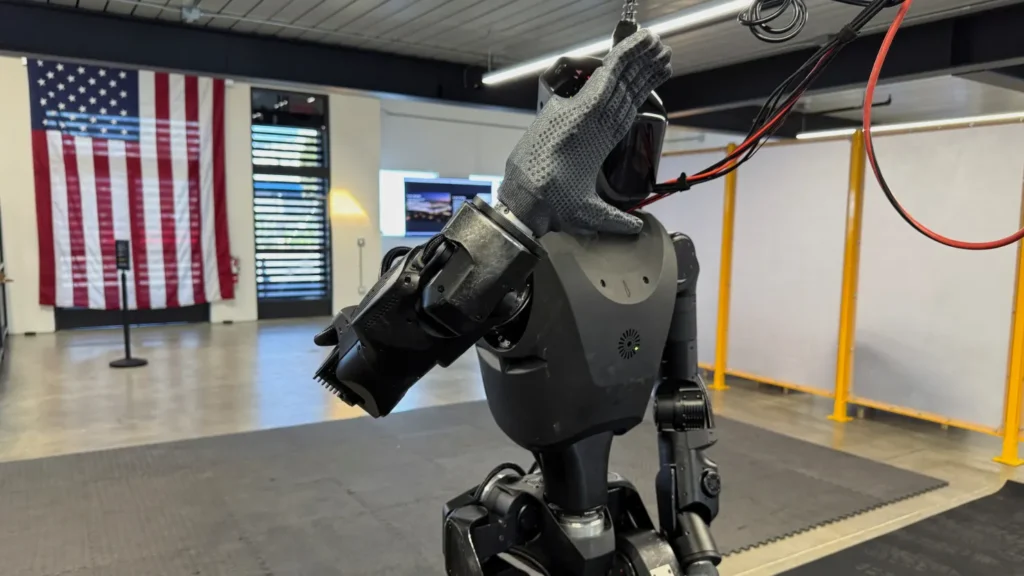
One of the most controversial questions is whether humanoid robots should carry weapons.
Supporters of military robotics argue that robots could reduce casualties by keeping soldiers away from dangerous missions. They may also be more precise, less emotional, and better able to wait for human approval before acting.
Critics warn that armed autonomous robots could make war easier to start, harder to control, and more dangerous for civilians. If machines are allowed to choose and attack targets without meaningful human control, accountability becomes unclear.
Key ethical questions include:
- Who is responsible if a robot kills the wrong person?
- Can AI reliably distinguish soldiers from civilians?
- Should machines be allowed to make life-and-death decisions?
- Could robots lower the political cost of war?
- What happens if enemy forces hack or capture them?
Many governments and human rights groups are already debating whether new international rules are needed for autonomous weapons.
Human Control Will Remain Central
Even as military robots become more advanced, human control is likely to remain essential. Most realistic military uses for humanoid robots would involve remote operation, supervised autonomy, or limited automated behavior.
For example, a robot might navigate to a doorway on its own but require a human operator to approve entry. It might identify a suspicious object but wait for a soldier to decide what to do. It might carry supplies autonomously but follow a route approved by commanders.
This model is often called “human-in-the-loop” or “human-on-the-loop” control. It means AI can assist, but people remain responsible for critical decisions.
Why Defense Companies Are Interested
Defense organizations are interested in humanoid robots for the same reason factories are: flexibility. A robot that can use human tools and move through human environments could be useful in many situations.
Instead of designing a different machine for every task, militaries may eventually want general-purpose robots that can be updated with new software and accessories.
Potential advantages include:
- Reducing risk to soldiers
- Operating in contaminated or dangerous areas
- Performing repetitive guard or logistics duties
- Working in buildings and infrastructure designed for humans
- Supporting missions in tunnels, trenches, ships, and bases
- Providing persistent surveillance
However, the military market also demands extreme reliability. A battlefield robot must work in mud, cold, heat, rain, smoke, and under attack. That is far harder than operating in a warehouse or factory.
The Importance of Electronic Warfare
One major lesson from Ukraine is that communications cannot be taken for granted. Both sides use electronic warfare to jam GPS, disrupt drones, intercept signals, and confuse navigation systems.
This matters greatly for humanoid robots. If a robot depends on constant communication with a remote operator, it may fail when signals are jammed. If it depends too much on GPS, it may lose navigation. If it uses wireless links, it may be vulnerable to hacking or detection.
Future military robots will need:
- Secure communications
- Anti-jamming systems
- Local decision-making ability
- Encrypted software updates
- Strong cybersecurity protections
- Backup navigation systems
- The ability to safely stop if control is lost
Without these protections, humanoid robots could become expensive liabilities.
Civilian Benefits from Military Robotics
Although military use attracts attention, many technologies developed for defense can also help civilians. Humanoid and ground robots could be used for:
- Disaster response
- Firefighting
- Search and rescue
- Nuclear plant inspection
- Mine clearance after wars
- Hazardous material cleanup
- Construction in dangerous locations
- Medical supply delivery in crisis zones
Ukraine will likely need mine-clearing and reconstruction technologies for many years after the war. Robots could play a major role in making post-war recovery safer and faster.
The Risks of a Robotics Arms Race
The growing interest in military AI and robotics could also create a global arms race. Countries may compete to develop faster, cheaper, and more autonomous systems. If regulation does not keep pace, dangerous technologies could spread to authoritarian governments, militias, or terrorist groups.
Cheap drones have already shown how quickly military technology can become widely available. Humanoid robots are currently far more expensive, but costs may fall over time. As components improve and mass production grows, more actors may gain access to advanced robotic systems.
This raises concerns about:
- Autonomous weapons proliferation
- Terrorist use of robotic platforms
- Hacking and remote hijacking
- Civilian surveillance
- Lower barriers to conflict
- Reduced accountability in war
The future of military robotics will depend not only on engineering but also on law, ethics, diplomacy, and public debate.
Will Humanoid Robots Change War Soon?
In the short term, drones and simpler ground robots will remain far more important than humanoid robots. They are cheaper, easier to deploy, and already proven in combat.
Humanoid robots are still early-stage technology. They may be useful first in controlled environments such as military bases, warehouses, training grounds, or rear-area logistics. Their battlefield role will likely grow slowly as they become stronger, cheaper, more reliable, and better protected.
The most likely near-term uses are non-combat support roles: carrying supplies, inspecting dangerous areas, assisting with maintenance, or helping emergency teams.
In the longer term, humanoid robots could become part of military operations, especially in cities, tunnels, trenches, and damaged infrastructure. But their use will bring difficult questions about safety, accountability, and human control.
Conclusion
The Ukraine war has shown that robotics and AI are no longer futuristic concepts. They are already changing modern warfare. While humanoid robots are not yet a major battlefield tool, the technology is advancing quickly, and defense organizations are paying close attention.
Their biggest promise is reducing human risk in dangerous missions. Their biggest danger is the possibility of autonomous machines making deadly decisions without proper oversight.
The future of humanoid robots in war will not be decided by technology alone. It will also depend on military doctrine, international law, ethics, public trust, and whether societies choose to place clear limits on how far battlefield automation should go.
Frequently Asked Questions
1. Are humanoid robots being used in the Ukraine war?
Humanoid robots are not widely used in the Ukraine war. The conflict has mainly featured drones, ground robots, electronic warfare, and AI-assisted systems. Humanoid robots may be tested or considered, but they are not yet a major battlefield technology.
2. Why would militaries want humanoid robots?
Militaries may want humanoid robots because they could operate in spaces designed for humans, such as buildings, trenches, ships, and bases. They could help carry supplies, inspect dangerous areas, support medics, or perform tasks too risky for soldiers.
3. Could humanoid robots carry weapons?
Technically, they could be designed to carry weapons, but this is highly controversial. Many experts argue that humans should remain in control of any decision to use lethal force. Armed autonomous robots raise serious legal and ethical concerns.
4. What is the biggest challenge for military humanoid robots?
The biggest challenge is reliability in harsh battlefield conditions. A robot must handle mud, rubble, weather, explosions, electronic jamming, poor visibility, and cyber threats. Current humanoid robots are still far from being as adaptable as human soldiers.
5. Will robots replace soldiers in the future?
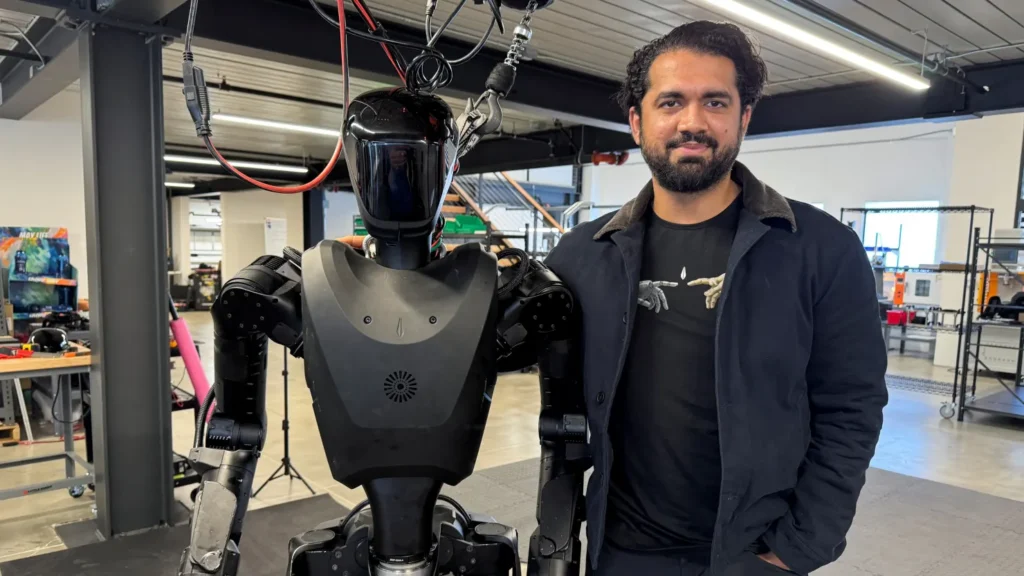
Robots may take over some dangerous or repetitive military tasks, but they are unlikely to fully replace soldiers anytime soon. Human judgment, leadership, adaptability, and moral responsibility remain essential in warfare.
Sources CNBC