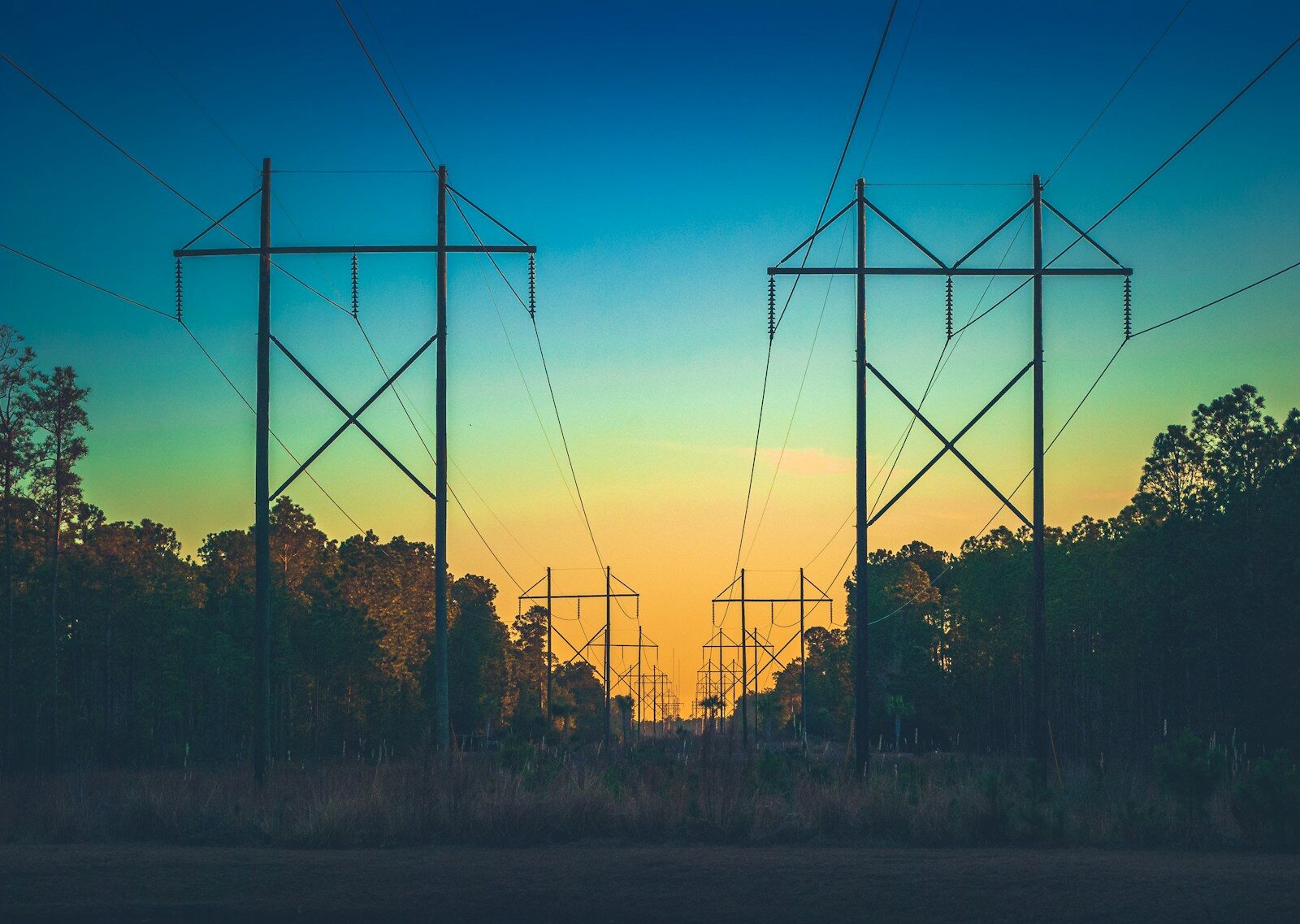
Artificial intelligence is transforming nearly every industry, from healthcare and finance to manufacturing and scientific research.
But behind every AI breakthrough lies a less glamorous reality:
Electricity.
Training advanced AI models and operating large-scale data centers require enormous amounts of power. As companies race to build increasingly capable systems, concerns about electricity demand, grid capacity, carbon emissions, and infrastructure bottlenecks have intensified.
Many analysts now view energy availability as one of the biggest constraints on future AI growth.
Yet a technological revolution happening outside the AI sector may offer an unexpected solution.
Advances in battery technology are improving energy storage at a pace that could fundamentally change how data centers consume electricity and how power grids support the next generation of AI infrastructure.
Rather than simply building more power plants, future AI growth may increasingly depend on smarter ways to store and manage energy.

Why AI Consumes So Much Electricity
Modern AI systems require massive computational resources.
Large AI models rely on thousands—or even hundreds of thousands—of advanced processors operating simultaneously.
These systems consume electricity for:
- Computing
- Cooling
- Networking
- Storage
- Backup systems
The largest AI data centers can require as much power as small cities.
As AI adoption expands globally, electricity demand from data centers is expected to rise substantially over the next decade.
This trend has sparked concerns that AI could place significant strain on existing electrical grids.
The Grid Bottleneck Problem
One of the biggest challenges facing AI infrastructure is not necessarily generating electricity.
It is delivering electricity when and where it is needed.
Many regions already face:
- Transmission constraints
- Grid congestion
- Delayed infrastructure projects
- Renewable energy intermittency
- Rising peak demand
New data centers often encounter lengthy delays because utilities cannot immediately provide the required power connections.
In some cases, projects wait years for grid upgrades.
This bottleneck has become a major obstacle to AI expansion.
Why Batteries Matter
Batteries offer a way to reduce pressure on the grid without requiring immediate construction of additional power plants.
Energy storage systems can:
- Store electricity during periods of low demand
- Release electricity during peak demand
- Stabilize renewable energy supplies
- Improve grid reliability
- Reduce infrastructure stress
For AI data centers, batteries could become a critical layer between power generation and power consumption.
Instead of drawing maximum electricity directly from the grid at all times, facilities could use stored energy during periods of high demand.
The Evolution of Battery Technology
Battery technology has advanced dramatically over the past two decades.
The most visible progress has occurred in lithium-ion batteries, which power:
- Electric vehicles
- Smartphones
- Laptops
- Grid-scale storage systems
Several factors have improved performance:
Higher Energy Density
More energy can be stored in smaller spaces.
Lower Costs
Manufacturing efficiencies have reduced battery prices significantly.
Longer Lifespans
Modern systems can operate for many years before replacement.
Improved Safety
Advances in battery management systems reduce operational risks.
These improvements make batteries increasingly attractive for large-scale infrastructure applications.
Beyond Lithium-Ion: The Next Generation
While lithium-ion dominates today’s market, researchers are developing several promising alternatives.
Solid-State Batteries
Potential benefits include:
- Higher energy density
- Faster charging
- Improved safety
- Longer operational life
Sodium-Ion Batteries
Advantages include:
- Lower material costs
- Greater resource availability
- Reduced supply-chain dependence
Flow Batteries
Particularly attractive for grid applications because they can:
- Scale easily
- Operate for long durations
- Maintain performance over many charge cycles
Iron-Air Batteries
Designed for multi-day energy storage, potentially helping address renewable energy intermittency.
Each technology could play a role in supporting future AI infrastructure.
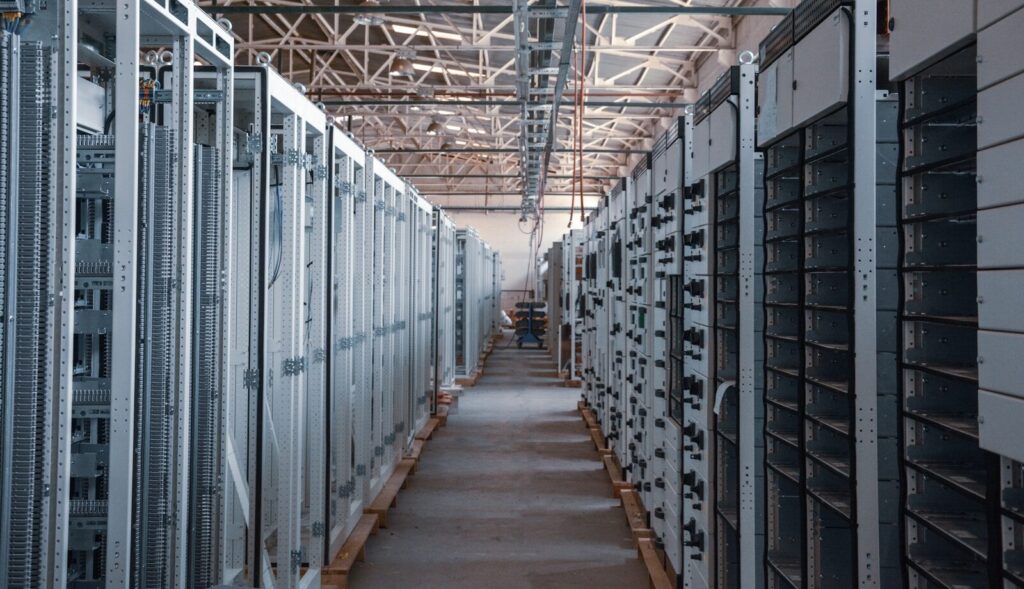
How Batteries Could Transform AI Data Centers
Traditionally, data centers rely heavily on backup generators and uninterrupted power supply systems.
Future facilities may integrate large battery installations that provide far more than emergency backup.
Potential applications include:
Peak Shaving
Reducing grid demand during high-consumption periods.
Load Balancing
Smoothing fluctuations in electricity usage.
Renewable Integration
Storing solar and wind energy for later use.
Energy Arbitrage
Purchasing electricity when prices are low and using stored power when prices rise.
Grid Services
Selling stored energy back to utilities during periods of stress.
This transforms data centers from passive energy consumers into active participants in energy management.
AI Could Help Batteries Improve Too
The relationship between AI and batteries works in both directions.
While batteries may help solve AI’s energy challenges, AI is also accelerating battery development.
Researchers increasingly use AI to:
- Discover new materials
- Simulate chemical interactions
- Optimize battery designs
- Predict performance
- Improve manufacturing processes
Machine learning models can analyze enormous datasets far faster than traditional methods.
This may shorten development cycles for future battery technologies.
In effect, AI and energy storage could become mutually reinforcing technologies.
Renewable Energy and the AI Boom
One reason battery innovation matters is the growing role of renewable energy.
Solar and wind power are becoming increasingly important sources of electricity.
However, renewable energy production varies depending on:
- Weather conditions
- Time of day
- Seasonal patterns
Batteries help address this challenge by storing excess energy when production exceeds demand.
For AI companies pursuing sustainability goals, energy storage may become an essential tool for increasing renewable energy utilization.
Why Data Center Operators Are Investing in Storage
Major technology companies are already exploring energy-storage strategies.
Their motivations include:
Cost Control
Electricity represents a major operational expense.
Reliability
Downtime can be extremely costly.
Sustainability
Investors and regulators increasingly scrutinize environmental impacts.
Scalability
Battery systems can help support future expansion.
As AI infrastructure grows, energy storage is likely to become a standard component of modern data-center design.
The Economic Impact
Battery breakthroughs could influence the economics of AI in several ways.
Lower Operating Costs
More efficient energy management reduces expenses.
Faster Infrastructure Deployment
Storage systems may reduce dependence on immediate grid upgrades.
Improved Renewable Utilization
Cleaner electricity becomes easier to integrate.
Greater Grid Stability
Reduced strain benefits both utilities and consumers.
These factors could support continued AI growth without requiring proportional increases in traditional energy infrastructure.
Challenges Still Remain
Despite promising progress, batteries are not a perfect solution.
Several obstacles remain.
Manufacturing Scale
Meeting future demand will require substantial production capacity.
Raw Materials
Supply chains for lithium, nickel, cobalt, and other materials remain important concerns.
Recycling
Battery disposal and recycling systems must continue improving.
Cost
While prices have fallen significantly, large-scale deployments remain expensive.
Duration Limits
Many battery technologies are optimized for hours rather than days of storage.
Continued innovation will be necessary to address these challenges.
The Bigger Picture: AI as an Energy Innovation Catalyst
Historically, major technological revolutions have driven infrastructure innovation.
The Industrial Revolution accelerated railroads and manufacturing.
The Internet accelerated fiber-optic networks and cloud computing.
The AI revolution may accelerate:
- Battery development
- Grid modernization
- Renewable energy deployment
- Advanced power management systems
In this sense, AI’s energy demands could help stimulate broader improvements across the entire energy sector.
Looking Ahead
The conversation around AI and electricity often focuses on rising energy consumption.
While those concerns are valid, they tell only part of the story.
Technological innovation is occurring simultaneously in:
- Battery chemistry
- Grid management
- Renewable energy
- Energy-efficient computing
- Cooling systems
Together, these advances may significantly reduce the long-term energy challenges associated with AI.
The future of artificial intelligence may depend not only on faster processors and smarter algorithms, but also on better batteries.
Conclusion
AI’s rapid growth is creating unprecedented demand for electricity, raising legitimate concerns about grid capacity, energy costs, and environmental sustainability.
However, battery technology is advancing rapidly enough that it could become a crucial part of the solution.
Improved energy storage systems can help data centers manage power more efficiently, integrate renewable energy, reduce grid stress, and support future infrastructure expansion.
Rather than viewing AI and energy demand as an unavoidable crisis, emerging battery breakthroughs suggest a more optimistic possibility: a future in which smarter energy systems evolve alongside smarter machines.
If that happens, batteries may prove to be one of the most important technologies of the AI age—even if they rarely receive the same attention as the AI models they help power.
Frequently Asked Questions (FAQ)
1. Why does AI require so much electricity?
AI systems rely on large numbers of powerful processors operating continuously. Training and running advanced models requires significant energy for computing, cooling, networking, and data storage.
2. How can batteries help reduce AI’s impact on the electrical grid?
Batteries can store electricity during low-demand periods and supply power during peak usage, helping data centers reduce strain on the grid and improve energy efficiency.
3. What battery technologies are most promising for AI infrastructure?
Solid-state batteries, sodium-ion batteries, flow batteries, and iron-air batteries are among the most promising technologies being developed for large-scale energy storage applications.
4. Can renewable energy power AI data centers?
Yes, but renewable energy sources such as solar and wind are intermittent. Batteries help store excess energy and make renewable power more reliable for continuous AI operations.
5. Will battery breakthroughs completely solve AI’s energy challenges?
Probably not on their own. However, combined with grid modernization, renewable energy expansion, improved computing efficiency, and better cooling technologies, advanced batteries could significantly reduce many of the challenges associated with AI’s growing electricity demand.
Sources The Washington Post