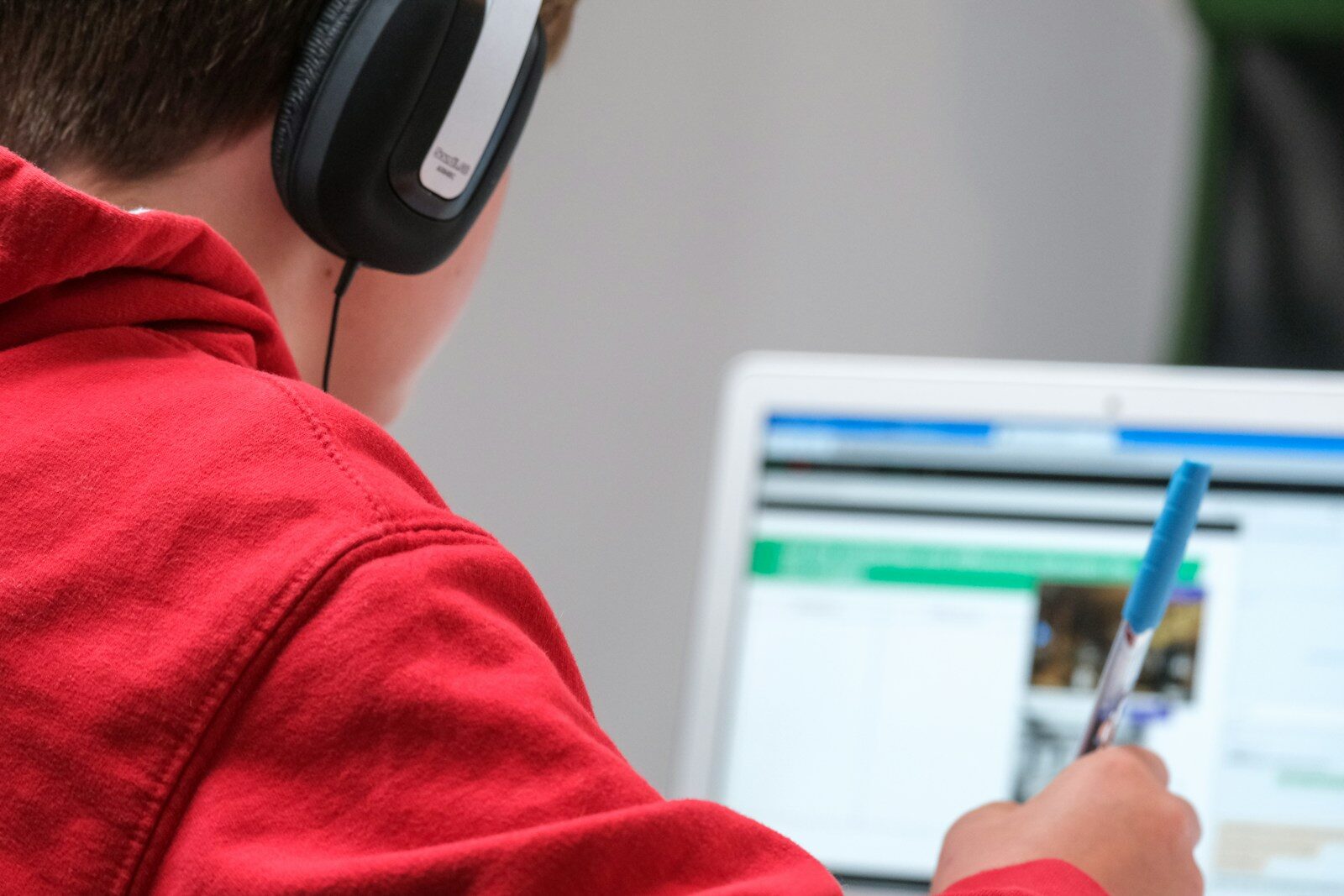
For generations, success followed a familiar educational formula: attend a reputable school, earn strong grades, gain admission to a prestigious university, and secure a stable career. That pathway continues to work for many students, but the rapid rise of artificial intelligence is prompting some families—particularly high-income households—to reconsider whether conventional education is still the best preparation for the future.
Instead of relying solely on traditional schools, a growing number of affluent parents are investing in personalized learning programs, AI-powered tutoring, entrepreneurial experiences, financial literacy, communication skills, and real-world projects. Their goal is not simply to help children perform well on standardized tests, but to prepare them for an economy where adaptability, creativity, and lifelong learning may matter more than memorization.
The trend does not necessarily reject traditional education. Rather, it reflects a broader shift toward equipping students with practical skills that complement academic knowledge in an AI-driven world.

Why AI Is Changing the Conversation About Education
Artificial intelligence is automating an increasing number of routine cognitive tasks.
AI can now:
- write essays
- summarize research
- generate computer code
- analyze data
- translate languages
- create presentations
- answer complex questions
As these capabilities become more common, employers are placing greater emphasis on skills that AI cannot easily replicate.
These include:
- critical thinking
- creativity
- emotional intelligence
- leadership
- ethical decision-making
- collaboration
- communication
- problem-solving
Many parents believe schools should devote more attention to developing these human-centered abilities.
The Rise of Personalized Learning
One of the biggest educational trends is personalization.
Rather than following identical lessons for every student, personalized learning adapts instruction to individual interests, strengths, and learning speeds.
Technology makes this increasingly practical through:
- AI tutors
- adaptive learning platforms
- personalized assessments
- customized lesson plans
- instant feedback
Students can spend more time mastering difficult concepts while advancing quickly through topics they already understand.
This flexibility contrasts with traditional classrooms, where teachers often balance the needs of dozens of students at different skill levels.
Why Life Skills Are Receiving More Attention
Academic achievement remains important, but many parents believe schools devote insufficient time to practical life preparation.
Skills receiving greater emphasis include:
Financial Literacy
Understanding budgeting, investing, taxes, credit, insurance, and entrepreneurship.
Communication
Public speaking, negotiation, writing, and interpersonal relationships.
Leadership
Managing teams, resolving conflicts, motivating others, and making informed decisions.
Entrepreneurship
Identifying opportunities, testing ideas, building businesses, and managing risk.
Digital Literacy
Using AI responsibly, evaluating online information, protecting privacy, and understanding cybersecurity.
Emotional Intelligence
Managing emotions, building resilience, demonstrating empathy, and maintaining healthy relationships.
These competencies increasingly influence career success regardless of industry.
AI Tutors Are Transforming Education
AI-powered educational tools are becoming sophisticated learning companions.
Modern AI tutors can:
- explain difficult concepts
- generate practice questions
- provide personalized feedback
- recommend additional resources
- adjust lesson difficulty
- support multiple languages
Unlike traditional tutoring, AI can be available at any time, making individualized assistance more accessible.
However, experts emphasize that AI should complement—not replace—human teachers, mentors, and meaningful social interaction.
Learning Beyond the Classroom
Many families are expanding education beyond school buildings.
Students increasingly participate in:
- internships
- volunteer work
- maker spaces
- coding boot camps
- robotics competitions
- startup incubators
- research projects
- travel-based learning
These experiences expose students to real-world challenges while encouraging curiosity and independent thinking.
Project-based learning often strengthens the connection between academic concepts and practical application.

Homeschooling and Microschools Are Growing
Some families are exploring alternatives to conventional schools.
Popular models include:
Homeschooling
Parents customize curriculum and schedules according to each child’s needs.
Microschools
Small learning communities combine personalized instruction with collaborative activities.
Hybrid Programs
Students divide time between home learning, online courses, and in-person classes.
These approaches offer flexibility but also require substantial parental involvement and careful planning.
Technology Is Changing the Teacher’s Role
AI is unlikely to eliminate teachers.
Instead, educators increasingly act as:
- mentors
- coaches
- facilitators
- project advisors
- critical thinking guides
AI can automate routine tasks such as grading quizzes or generating lesson materials, allowing teachers to spend more time supporting deeper learning and student development.
The human relationship between teacher and student remains essential.
Universities Are Also Adapting
Higher education institutions are responding to changing workforce demands.
Many universities now emphasize:
- interdisciplinary learning
- AI literacy
- entrepreneurship
- experiential education
- internships
- innovation centers
Employers increasingly seek graduates who combine technical knowledge with adaptability and strong interpersonal skills.
The Skills Employers Want Most
Research consistently shows employers value both technical and human capabilities.
Growing demand exists for professionals who demonstrate:
- analytical thinking
- adaptability
- collaboration
- creativity
- communication
- ethical judgment
- leadership
- digital fluency
AI proficiency is becoming an advantage, but success also depends on skills that technology cannot easily automate.
Challenges of Alternative Education
Alternative education models also present important considerations.
Cost
Personalized programs, private tutors, microschools, and specialized experiences may be expensive, limiting access for many families.
Social Development
Traditional schools provide opportunities for teamwork, friendships, extracurricular activities, and exposure to diverse perspectives.
Alternative models must intentionally create similar social experiences.
Academic Standards
Customized education requires careful planning to ensure students master essential academic foundations alongside life skills.
Equity
If only wealthy families can access highly personalized education, existing educational inequalities could widen.
Expanding access to innovative learning opportunities remains an important public policy challenge.
AI Literacy Is Becoming Essential
Regardless of educational model, understanding AI is increasingly important.
Students should learn:
- how AI works
- its strengths and limitations
- responsible use
- bias and fairness
- data privacy
- cybersecurity
- ethical considerations
AI literacy will likely become as fundamental as digital literacy was during the rise of the internet.
The Future of Education
Most experts believe future education will combine the strengths of traditional schooling with technological innovation.
Likely trends include:
- AI-assisted instruction
- personalized learning pathways
- competency-based assessments
- lifelong learning
- project-based education
- stronger school-industry partnerships
Rather than replacing classrooms entirely, AI is expected to reshape how students learn, how teachers teach, and how educational success is measured.
The Bottom Line
The growing interest among affluent families in alternative education reflects a broader recognition that the skills needed for future success are evolving. While traditional schools continue to provide valuable academic foundations and social development, many parents are supplementing or redesigning their children’s education to emphasize creativity, adaptability, financial literacy, entrepreneurship, communication, and AI fluency.
Artificial intelligence is changing not only the workplace but also the purpose of education itself. As routine tasks become increasingly automated, schools and families alike are placing greater value on the uniquely human qualities that machines cannot easily replicate.
The future of education is unlikely to be defined by a choice between traditional classrooms and AI-powered learning. Instead, it will be shaped by thoughtful combinations of technology, personalized instruction, real-world experiences, and strong human mentorship. Students who can combine academic knowledge with practical life skills and responsible AI literacy will be well positioned to thrive in a rapidly changing world.
Frequently Asked Questions (FAQ)
1. Why are some wealthy families moving away from traditional schools?
Many believe that conventional education does not sufficiently prepare students for an AI-driven economy. They are seeking more personalized learning experiences that emphasize creativity, entrepreneurship, financial literacy, communication, and practical life skills.
2. Can AI replace teachers?
No. AI can personalize lessons, provide instant feedback, and automate routine tasks, but teachers remain essential for mentorship, emotional support, critical thinking development, classroom leadership, and social learning.
3. What life skills are becoming more important in the AI era?
Financial literacy, communication, leadership, entrepreneurship, emotional intelligence, digital literacy, ethical reasoning, adaptability, and collaborative problem-solving are increasingly valued by employers and educators.
4. Are alternative education models better than traditional schools?
Not necessarily. Each approach has strengths and limitations. Many experts believe combining traditional education with personalized learning, AI tools, and real-world experiences provides the most balanced preparation.

5. What should students learn about AI?
Students should understand how AI works, its capabilities and limitations, responsible usage, privacy, bias, ethics, cybersecurity, and how to use AI as a tool for learning rather than a replacement for independent thinking.
Sources The Wall Street Journal