

Artificial intelligence has become one of the most capital-intensive technologies in modern history. While software innovation remains important, today’s AI leaders are increasingly distinguished by their willingness to invest billions of dollars in the physical infrastructure needed to develop, train, and deploy advanced AI systems.
Alphabet, Google’s parent company, has dramatically increased its capital expenditures (capex) as it expands AI capabilities across search, cloud computing, enterprise software, mobile devices, and digital services. These investments extend far beyond developing smarter AI models—they include building data centers, purchasing advanced AI processors, expanding global networking infrastructure, improving energy capacity, and designing specialized hardware.
Google’s strategy reflects a broader trend across the technology industry. Artificial intelligence is becoming an infrastructure business as much as a software business, requiring long-term investments that may shape technological leadership for years to come.

What Is Capital Expenditure (Capex)?
Capital expenditure refers to money companies invest in long-term physical assets that support future business growth.
Examples include:
- Data centers
- Computer servers
- Networking equipment
- Semiconductor chips
- Office facilities
- Fiber-optic infrastructure
- Energy systems
- Research laboratories
Unlike routine operating expenses, capex investments are designed to generate value over many years.
Why AI Requires Massive Investment
Training and operating advanced AI models demands extraordinary computing resources.
Major investment areas include:
- Graphics Processing Units (GPUs)
- AI accelerators
- High-speed storage
- Networking hardware
- High-bandwidth memory
- Cloud infrastructure
- Power distribution
- Cooling technologies
The scale of these requirements has significantly increased infrastructure spending across the technology industry.
Data Centers Have Become Strategic Assets
Modern AI data centers are among the world’s most sophisticated computing facilities.
They require:
- Thousands of AI processors
- High-speed networking
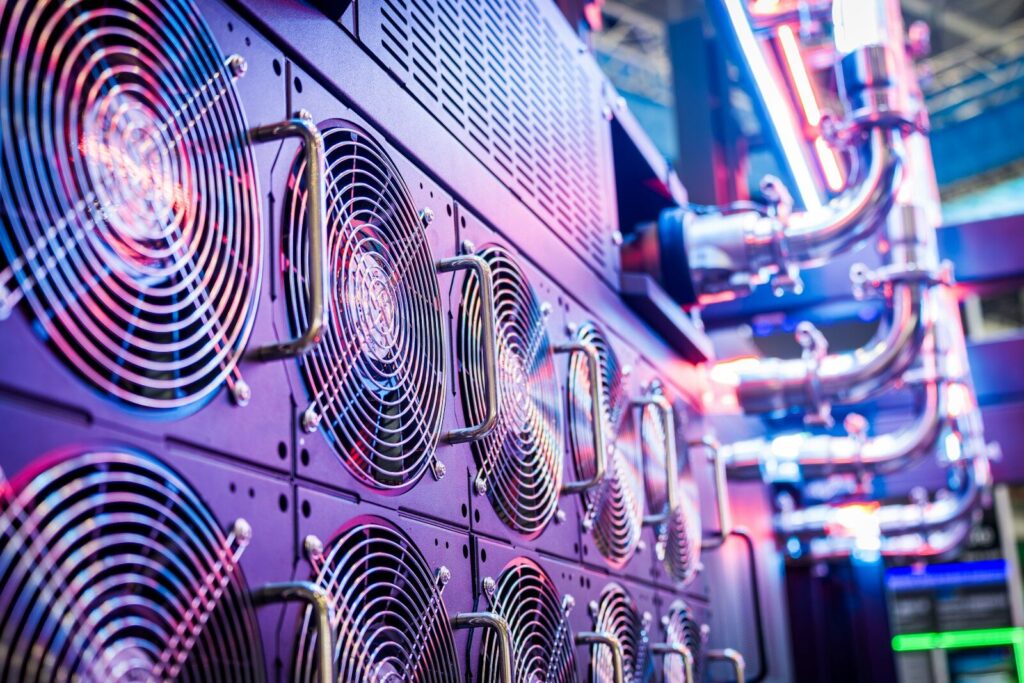
- Advanced cooling systems
- Backup power
- Physical security
- Redundant infrastructure
These facilities provide the computing power necessary to train and deploy increasingly capable AI models.
Custom AI Chips Improve Efficiency
Rather than relying solely on general-purpose processors, companies increasingly design custom AI hardware.
Benefits include:
- Improved performance
- Lower energy consumption
- Reduced operating costs
- Better workload optimization
- Faster inference
Specialized chips help companies operate AI systems more efficiently at scale.
AI Infrastructure Supports Multiple Businesses
Google’s AI investments benefit numerous services simultaneously.
These include:
- Search
- Google Cloud
- Workspace
- YouTube
- Android
- Maps
- Photos
- Enterprise AI platforms
Shared infrastructure improves efficiency across the company’s ecosystem.
Cloud Computing Drives Enterprise Growth
Businesses increasingly rely on cloud providers for AI development.
Cloud platforms offer:
- Model training
- AI deployment
- Data storage
- Analytics
- Security
- Application hosting
- Machine learning tools
Growing enterprise adoption continues increasing demand for AI infrastructure.
Energy Has Become a Critical Resource
Artificial intelligence consumes enormous amounts of electricity.
Technology companies increasingly invest in:
- Renewable energy
- Nuclear power agreements
- Grid modernization
- Battery storage
- Energy-efficient processors
- Advanced cooling
Reliable power supplies are essential for future AI expansion.
Networking Is Just as Important as Computing
AI clusters require ultra-fast communication between processors.
Critical networking technologies include:
- High-speed fiber
- Advanced switches
- Optical interconnects
- Low-latency communication
- Distributed computing systems
Efficient networking improves AI training performance.

AI Investment Creates Broader Economic Effects
Large infrastructure projects support industries including:
- Semiconductor manufacturing
- Construction
- Utilities
- Telecommunications
- Engineering
- Equipment manufacturing
- Software development
The AI economy extends well beyond technology companies themselves.
Investors Watch Return on Investment
Although companies spend billions on AI infrastructure, investors expect measurable returns.
Performance indicators include:
- Revenue growth
- Cloud adoption
- Customer retention
- AI product usage
- Operating efficiency
- Profitability
Long-term financial performance remains an important measure of AI success.
Competition Is Driving Spending Higher
Technology companies continue competing aggressively in:
- AI research
- Cloud computing
- Enterprise software
- Search
- Productivity tools
- AI assistants
Competition encourages ongoing investment in infrastructure and innovation.
Sustainability Matters
As AI infrastructure expands, companies increasingly emphasize:
- Energy efficiency
- Carbon reduction
- Water conservation
- Sustainable construction
- Renewable electricity
- Circular economy practices
Environmental responsibility has become an important part of long-term infrastructure planning.
AI Is Becoming an Enterprise Platform
Organizations increasingly deploy AI across:
- Customer service
- Marketing
- Finance
- Manufacturing
- Healthcare
- Education
- Scientific research
Growing enterprise demand supports continued infrastructure investment.
Risks Still Exist
Large capital investments involve challenges such as:
- Technological change
- Regulatory uncertainty
- Rising construction costs
- Supply chain disruptions
- Slower customer adoption
- Competitive pressure
Successful execution remains essential.
The Future of AI Infrastructure
Industry experts expect continued investment in:
- More efficient processors
- Larger AI clusters
- Edge computing
- Quantum research
- Smarter data centers
- Sustainable infrastructure
- Advanced networking
Infrastructure innovation will continue supporting future AI capabilities.
The Bigger Picture
Google’s expanding capital investments illustrate how artificial intelligence has evolved into one of the most infrastructure-intensive industries in the global economy. Success in AI now depends not only on developing advanced algorithms but also on building the computing platforms, semiconductor technologies, networking systems, and energy infrastructure capable of supporting them at scale.
These investments are reshaping the broader technology landscape. Data centers, custom AI chips, cloud computing platforms, renewable energy projects, and high-speed networks have become strategic assets that influence competitiveness across multiple industries. Companies willing to make substantial long-term investments are positioning themselves to support the next generation of AI-powered services for consumers and enterprises alike.
While the financial commitment is significant, the potential rewards are equally substantial. Organizations that successfully combine infrastructure investment with responsible AI development, operational efficiency, and customer-focused innovation are likely to play a leading role in shaping the future of digital transformation.
Ultimately, the AI revolution is becoming as much about physical infrastructure as software innovation. Google’s investment strategy demonstrates that the future of artificial intelligence will be built not only in research laboratories but also in the data centers, semiconductor facilities, and energy networks that power intelligent technologies around the world.
Frequently Asked Questions (FAQs)
1. What is capital expenditure (capex) in the technology industry?
Capital expenditure refers to long-term investments in physical assets such as data centers, servers, networking equipment, AI chips, buildings, and infrastructure that support future business growth.
2. Why are technology companies spending so much on AI?
Advanced AI requires enormous computing resources, including specialized processors, cloud infrastructure, networking systems, electricity, and cooling technologies to train and operate increasingly sophisticated models.
3. How do AI investments benefit Google’s business?
AI infrastructure supports Google’s search engine, cloud services, enterprise software, Android ecosystem, YouTube, advertising platforms, and many other products by improving performance and enabling new capabilities.
4. What industries benefit from AI infrastructure spending?
Semiconductor manufacturers, construction firms, utilities, telecommunications providers, networking companies, engineering firms, cloud providers, and renewable energy developers all benefit from increased AI investment.
5. Why is AI infrastructure considered a long-term investment?
Data centers, custom chips, networking equipment, and energy systems provide computing capacity for many years, allowing companies to support future AI innovation, enterprise growth, and digital transformation while generating long-term business value.
Sources The New York Times

