

Artificial intelligence is advancing at an unprecedented pace, transforming industries, economies, and daily life. As AI systems become more capable of reasoning, creating content, writing software, and assisting with complex tasks, public discussion has increasingly shifted from whether AI will change the world to how society should manage that change.
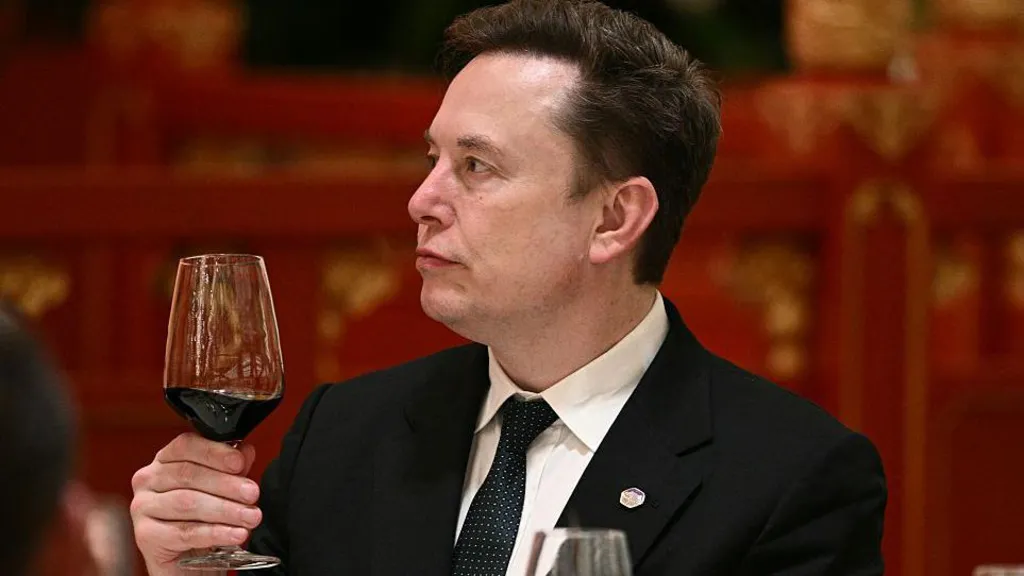
Among the most influential voices in this debate is Elon Musk, who has long expressed both enthusiasm for AI’s transformative potential and concern about its long-term risks. His comments encouraging people to “enjoy the ride” while acknowledging rapid technological progress reflect a broader conversation taking place across governments, technology companies, universities, and research institutions worldwide.
The central question is no longer simply about building more powerful AI. It is about ensuring that innovation progresses responsibly while maximizing the benefits of artificial intelligence and minimizing potential economic, social, and ethical risks.
Why AI Is Advancing So Quickly
Several breakthroughs have accelerated AI development over the past few years.
Key factors include:
- Larger language models
- More powerful AI processors
- Cloud computing
- Massive datasets
- Better machine learning algorithms
- Open-source AI development
- Increased private investment
Together, these advances have dramatically expanded what AI systems can accomplish.
The Opportunities Created by AI
Artificial intelligence has the potential to improve many aspects of society.
Major applications include:
- Healthcare diagnostics
- Drug discovery
- Scientific research
- Personalized education
- Manufacturing automation
- Financial analysis
- Agricultural optimization
- Climate modeling
Many experts believe AI could become one of the largest productivity drivers in modern economic history.
Why Some Experts Express Concern
Despite its potential, AI also introduces significant challenges.
Common concerns include:
- Job displacement
- Cybersecurity threats
- Deepfakes and misinformation
- Privacy protection
- Bias in AI systems
- Autonomous decision-making
- Concentration of technological power
Managing these risks requires ongoing research and responsible governance.
AI Is Not Human Intelligence
Modern AI can produce impressive results, but it differs fundamentally from human cognition.
Current AI systems:
- Recognize patterns
- Predict likely responses
- Analyze large datasets
- Generate content
They do not possess consciousness, emotions, self-awareness, or independent motivations in the human sense.
Understanding these limitations is essential for realistic public expectations.
Economic Transformation Is Already Underway
Businesses across industries increasingly use AI to improve productivity.
Applications include:
- Customer support
- Software development
- Marketing
- Manufacturing
- Logistics
- Healthcare administration
- Financial services
Many routine tasks are becoming increasingly automated, allowing employees to focus on higher-value work.
AI Will Change Jobs More Than Eliminate Them
Historically, technological revolutions have reshaped employment rather than eliminating work altogether.
AI is expected to:
- Automate repetitive tasks
- Create new occupations
- Increase productivity
- Shift workforce skill requirements
- Encourage lifelong learning
Workers who combine technical knowledge with human-centered skills are likely to remain in strong demand.
Responsible AI Development Matters
Technology companies increasingly emphasize:
- AI safety
- Transparency
- Human oversight
- Security
- Privacy
- Explainability
- Accountability
Responsible development helps build public confidence while reducing unintended risks.
Governments Are Developing AI Policies
Countries worldwide are introducing frameworks covering:
- AI regulation
- Consumer protection
- Data privacy
- National security
- Competition policy
- Intellectual property
- Safety standards
The challenge is encouraging innovation without unnecessarily restricting technological progress.
Infrastructure Supports AI Growth
Powerful AI systems require enormous investments in:
- Data centers
- AI chips
- Cloud computing
- Networking equipment
- Electricity
- Cooling systems
Infrastructure has become as important as software innovation in determining AI leadership.
Open Source Is Accelerating Innovation
Open-source AI models enable:
- Academic research
- Startup innovation
- Global collaboration
- Faster experimentation
- Lower development costs
However, open access also raises questions about responsible deployment and misuse prevention.
AI Safety Research Continues Expanding
Researchers are actively studying:
- Model alignment
- Robust evaluation
- Risk assessment
- Red-team testing
- Explainable AI
- Secure deployment
Safety engineering is becoming an increasingly important field alongside AI capability research.
Human Skills Remain Essential
Even as AI grows more capable, people continue contributing qualities that machines cannot easily replicate.
These include:
- Creativity
- Empathy
- Ethical reasoning
- Leadership
- Strategic thinking
- Complex interpersonal communication
These strengths will remain valuable across nearly every profession.
International Cooperation Is Increasing
Although nations compete in AI development, many organizations collaborate on:
- Technical standards
- Scientific research
- AI safety
- Healthcare applications
- Climate science
Global cooperation can help address challenges that transcend national borders.
Public Trust Will Shape AI Adoption
Long-term success depends on whether users trust AI systems.
Organizations must demonstrate:
- Reliability
- Security
- Transparency
- Fairness
- Privacy protection
Trust is becoming as important as technological capability.
The Future Will Likely Be Human-AI Collaboration
Most experts expect AI to augment rather than completely replace human capabilities.
The future workplace is likely to combine:
- AI automation
- Human creativity
- Intelligent decision support
- Collaborative problem-solving
- Continuous learning
The greatest value often emerges when humans and AI complement one another.
The Bigger Picture
The debate surrounding artificial intelligence reflects one of the most important technological transitions of the modern era. AI promises extraordinary opportunities to improve healthcare, education, scientific research, manufacturing, business productivity, and countless other fields. At the same time, it raises legitimate concerns about employment, privacy, cybersecurity, misinformation, ethics, and long-term governance.
Public figures such as Elon Musk contribute to this discussion by highlighting both the excitement surrounding AI innovation and the need to consider its broader societal implications. Their differing perspectives underscore that artificial intelligence is not simply a technical issue but also an economic, political, and philosophical one.
Ultimately, the future of AI will depend less on whether the technology continues advancing—which appears highly likely—and more on how responsibly governments, businesses, researchers, and society choose to develop and deploy it. Success will require balancing innovation with safety, encouraging competition while maintaining public trust, and ensuring that the benefits of AI are shared as broadly as possible.
Rather than viewing AI solely through the lens of optimism or fear, the coming decades may be best understood as an opportunity to shape one of humanity’s most powerful technologies in ways that strengthen human potential while addressing the challenges that accompany rapid technological change.
Frequently Asked Questions (FAQs)
1. Why is Elon Musk often associated with AI discussions?
Elon Musk has been a prominent voice on artificial intelligence for many years. He has expressed optimism about AI’s transformative potential while also advocating for research into AI safety, governance, and responsible development.
2. Will artificial intelligence replace all human jobs?
Most experts do not expect AI to replace all jobs. Instead, AI is likely to automate specific tasks, transform many professions, and create new career opportunities while increasing demand for skills such as creativity, critical thinking, leadership, and adaptability.
3. What are the biggest risks associated with AI?
Frequently discussed risks include job displacement, misinformation, cybersecurity threats, privacy concerns, algorithmic bias, misuse of autonomous systems, and the concentration of technological power among a small number of organizations.
4. How can AI benefit society?
AI has the potential to improve healthcare, accelerate scientific discovery, enhance education, optimize manufacturing, strengthen environmental research, increase productivity, and support better decision-making across many industries.
5. Why is AI safety receiving so much attention?
As AI systems become more powerful and integrated into critical sectors, researchers and policymakers are working to ensure these technologies remain reliable, transparent, secure, and aligned with human values while minimizing unintended consequences.
Sources BBC

