
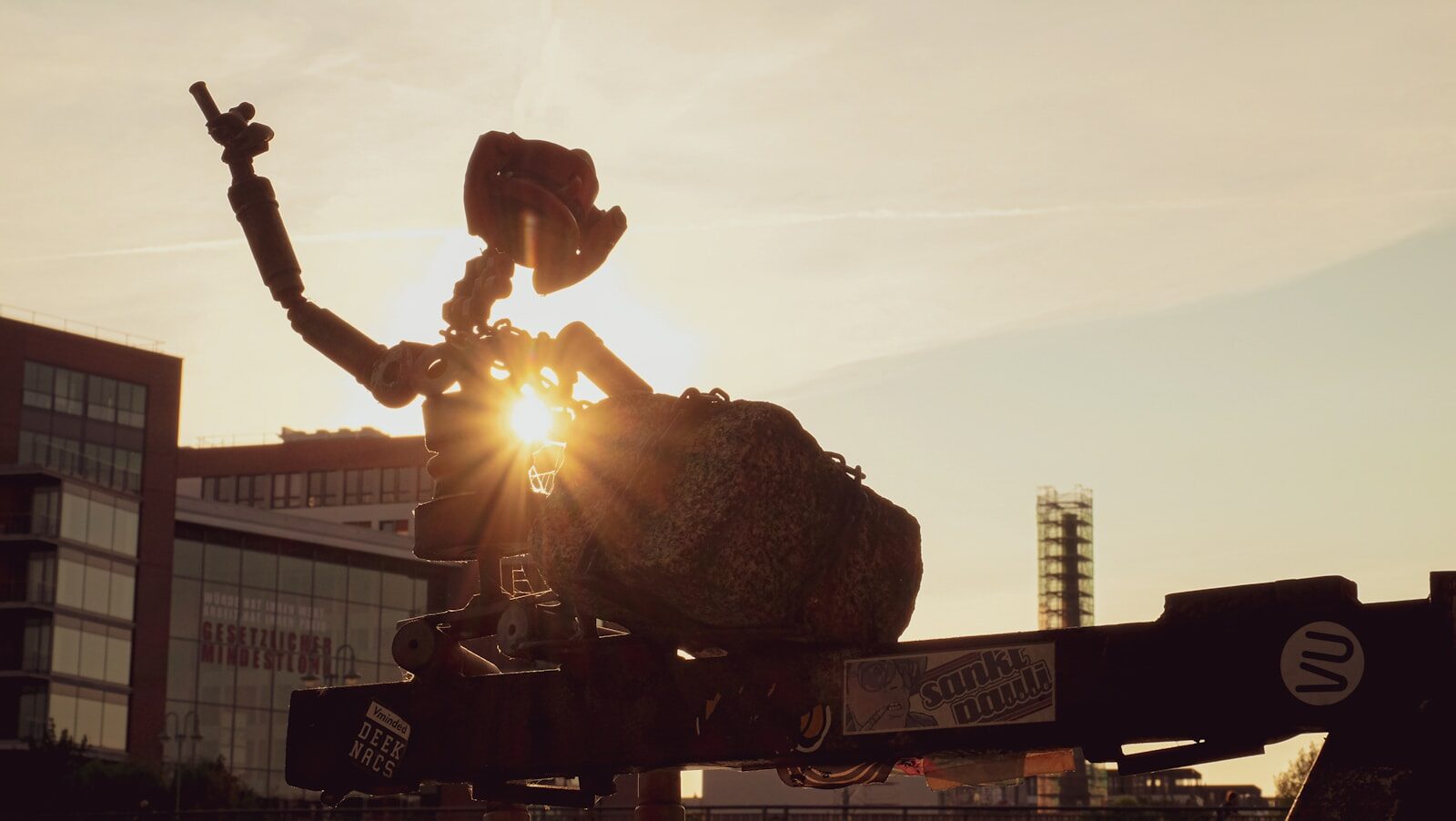
When Robots Start Running With Humans
A humanoid robot running a half marathon sounds like a stunt.
A headline.
A gimmick.
A tech demo.
But it’s not.
👉 It’s a signal that robots are moving beyond labs—and into the real, unpredictable world.
And that changes everything.
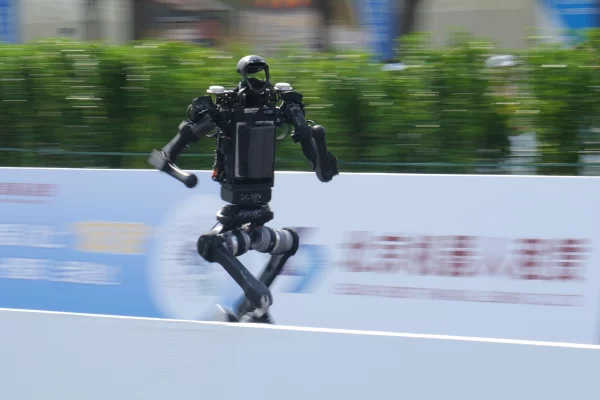
🏃 The Milestone: Robots Enter Endurance Territory
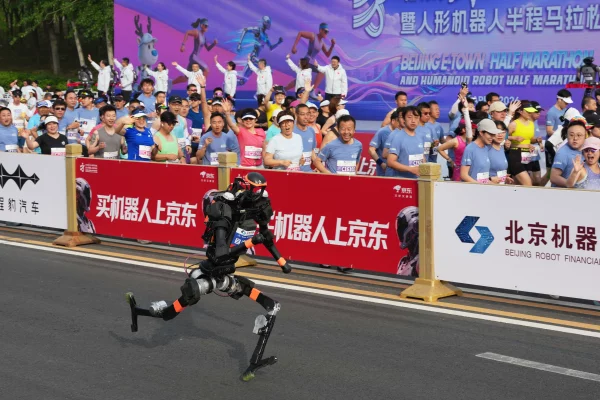
In a recent breakthrough, a humanoid robot successfully completed a half marathon—one of the most physically demanding real-world tests.
This wasn’t just about movement.
👉 It was about:
- Endurance
- Stability
- Adaptation over long distances
Why this matters:
Running for kilometers requires:
- Continuous balance
- Energy efficiency
- Real-time adjustments
👉 These are extremely difficult for robots.
🤖 What Makes Running So Hard for Robots?
Humans run naturally.
Robots don’t.
1. Balance and Coordination
Each step requires:
- Precise weight shifting
- Real-time corrections
👉 One small miscalculation = fall.
2. Energy Efficiency
Humans are:
- Naturally optimized for endurance
Robots:
- Consume significant power
- Must manage energy carefully
3. Terrain Adaptation
Real-world environments include:
- Uneven surfaces
- Obstacles
- Changing conditions
👉 Robots must constantly adjust.
4. Mechanical Stress
Running puts strain on:
- Joints
- Motors
- Structural components
👉 Long-distance performance tests durability.
🔍 What the Original Article Didn’t Fully Explore
Let’s go deeper into why this achievement matters beyond the race:
1. Endurance Is the Next Frontier in Robotics
Most robots excel at:
- Short, controlled tasks
But struggle with:
- Long-duration activity
👉 This milestone shows progress in:
Sustained real-world performance.
2. The Human-Like Movement Breakthrough
Running is not just mechanical.
It involves:
- Rhythm
- Timing
- Coordination
👉 Achieving this brings robots closer to:
Natural human movement.
3. Real-World Testing vs Lab Success
Lab environments are:
- Controlled
- Predictable
A half marathon is:
👉 Uncontrolled and dynamic
👉 This proves:
Robots can handle real-world complexity.
4. Implications for Robotics Beyond Sports
This isn’t about racing.
It’s about applications like:
- Disaster response
- Search and rescue
- Military operations
- Delivery and logistics
👉 Anywhere endurance matters.
5. The Data Advantage
Running generates:
- Massive movement data
- Performance insights
👉 This improves:
- Future robot design
- AI training models
⚠️ The Limitations: We’re Not There Yet
Despite progress:
- Robots are still slower than humans
- Efficiency is lower
- Costs are high
👉 This is a milestone—not a finish line.
🧠 The Bigger Picture: From Motion to Autonomy
Running is just one step.
The ultimate goal is:
👉 Fully autonomous robots that can:
- Move
- Decide
- Adapt
This requires combining:
- Physical intelligence (movement)
- Artificial intelligence (decision-making)
👉 The marathon is part of a much larger journey.
🏢 Who Benefits From This Progress?
1. Robotics Companies
2. AI Researchers
3. Industries needing automation
4. Governments and defense sectors
👉 The impact goes far beyond sports.
🛠️ What Needs to Improve Next
✅ Battery life
✅ Speed and efficiency
✅ Durability
✅ Real-time adaptability
👉 These are key for real-world deployment.
🔮 The Future: Robots in Motion Everywhere
We’re moving toward a world where robots can:
- Walk among us
- Work alongside humans
- Handle complex environments
Next milestones may include:
- Full marathons
- Obstacle navigation
- Multi-task endurance challenges
👉 Each step brings robots closer to everyday life.
❓ Frequently Asked Questions
1. Why is running a big deal for robots?
Because it requires:
- Balance
- Endurance
- Real-time adaptation
2. Are robots faster than humans?
Not yet.
👉 Humans still outperform robots in speed and efficiency.
3. What can this technology be used for?
- Rescue missions
- Industrial work
- Logistics
4. Are humanoid robots common now?
No—but they are rapidly developing.
5. What’s the biggest challenge?
👉 Combining endurance with intelligence.
6. What’s next after this milestone?
More advanced movement and real-world applications.

🔥 Final Thought
A robot finishing a half marathon isn’t just a technical achievement.
It’s a glimpse into a future where machines don’t just compute…
👉 They move, adapt, and operate in our world.
And once robots can keep up with us physically…
👉 The next question won’t be what they can do—
It will be what we still do better.
Sources NPR

