
The Hidden Cost of the AI Boom
AI is powering the future.
Smarter apps.
Faster decisions.
Bigger breakthroughs.
But behind the scenes?
👉 AI is consuming enormous amounts of electricity—and quietly straining the global power grid.
And here’s the real problem:
👉 We already have solutions.
👉 We’re just not implementing them fast enough.

⚡ The Reality: AI Runs on Power—A Lot of It
Every AI system depends on:
- Massive data centers
- High-performance chips (GPUs)
- Continuous processing
What that means:
- Huge electricity demand
- Constant cooling requirements
- 24/7 energy consumption
👉 Training large AI models alone can use as much electricity as:
- Thousands of homes
- Entire small towns
📈 Why AI Energy Demand Is Exploding
1. Bigger Models
AI systems are becoming:
- Larger
- More complex
- More computationally intense
👉 More intelligence = more energy.
2. More Users
Millions of people now use AI daily.
👉 Every query requires:
- Processing
- Compute power
- Energy
3. Always-On Infrastructure
AI services must be:
- Available instantly
- Running constantly
👉 No downtime = constant power draw.
4. Global AI Competition
Countries and companies are racing to:
- Build bigger models
- Deploy more infrastructure
👉 This accelerates energy consumption worldwide.
⚠️ The Problem: The Power Grid Isn’t Ready
Power grids were designed for:
- Predictable demand
- Traditional industries
AI introduces:
- Sudden spikes
- High-density energy use
- Regional overload risks
👉 Result:
- Strain on infrastructure
- Potential outages
- Increased costs
🔍 What the Original Article Didn’t Fully Explore
Let’s go deeper into the structural challenges:
1. Data Centers Are Clustering
AI data centers are often built in:
- Specific regions
- Near tech hubs
👉 This creates:
Localized energy pressure, not evenly distributed demand.
2. Cooling Is a Massive Energy Drain
AI systems generate heat.
Cooling them requires:
- Water
- Electricity
- Advanced systems
👉 Sometimes:
Cooling uses almost as much energy as computation itself.
3. Renewable Energy Isn’t Scaling Fast Enough
While companies aim to use:
- Solar
- Wind
👉 Challenges include:
- Intermittent supply
- Storage limitations
- Infrastructure gaps
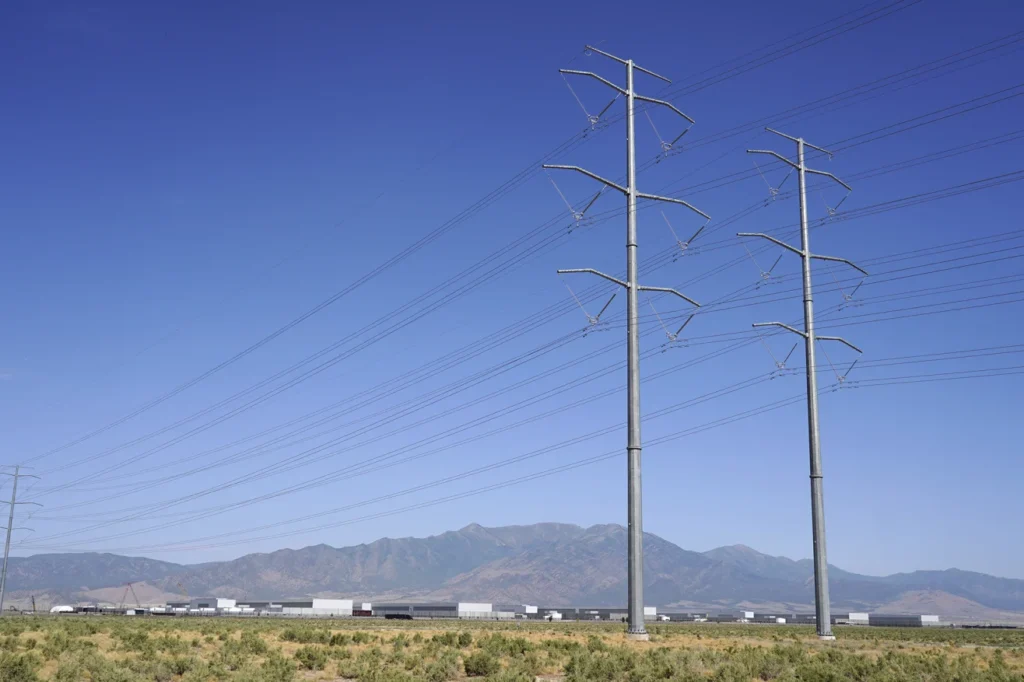
4. Grid Modernization Is Slow
Upgrading power grids requires:
- Government approval
- Massive investment
- Long timelines
👉 AI growth is faster than grid upgrades.
5. Economic Incentives Are Misaligned
Energy solutions exist—but:
- They’re expensive
- Require coordination
- Don’t provide immediate returns
👉 Companies prioritize:
Speed and scale over sustainability.
🛠️ The Solutions Exist—So What’s Holding Them Back?
✅ 1. Smarter Data Center Placement
Build near renewable energy sources
✅ 2. Energy-Efficient AI Models
Design systems that use less compute
✅ 3. Advanced Cooling Technologies
Use liquid cooling or alternative methods
✅ 4. Renewable Energy Integration
Power AI with clean energy
✅ 5. Grid Upgrades
Modernize infrastructure
👉 All possible.
👉 Not happening fast enough.
⚖️ The Trade-Off: Innovation vs Sustainability
AI growth brings:
- Economic opportunity
- Technological progress
- Competitive advantage
But also:
- Energy strain
- Environmental impact
- Infrastructure pressure
👉 The challenge is balancing both.
🧩 Who Is Responsible?
1. Tech Companies
- Build efficient systems
- Invest in clean energy
2. Governments
- Upgrade infrastructure
- Set regulations
3. Energy Providers
- Expand capacity
- Improve grid resilience
👉 This is a shared responsibility.
🔮 The Future: A Power-Hungry AI World
If trends continue:
👉 AI could become one of the largest energy consumers globally.
Possible outcomes:
Scenario 1: Sustainable Growth
- Clean energy adoption
- Efficient systems
- Stable grids
Scenario 2: Energy Crisis Pressure
- Grid overload
- Rising costs
- Slower AI expansion
👉 The path depends on decisions made today.
❓ Frequently Asked Questions
1. Why does AI use so much electricity?
Because it requires:
- Massive computation
- Continuous processing
- Cooling systems
2. Is AI bad for the environment?
It can be—if energy use isn’t managed properly.
3. Are there solutions to reduce energy use?
Yes:
- Efficient models
- Renewable energy
- Better infrastructure
4. Why aren’t solutions being implemented quickly?
Due to:
- Cost
- Complexity
- Slow policy changes
5. Will AI cause power shortages?
Possible in some regions if demand outpaces supply.
6. What’s the biggest takeaway?
👉 AI’s growth depends on energy—and energy is becoming the bottleneck.
🔥 Final Thought
AI is shaping the future.
But that future runs on electricity.
And right now…
👉 The biggest limit to AI isn’t intelligence—
It’s power.
Sources CNN

