
Artificial intelligence is rapidly reshaping social media, and for millions of parents around the world, the transformation is raising urgent new concerns about child safety online.
Platforms once dominated by human-generated posts are increasingly filled with AI-created images, videos, chatbots and automated accounts. While these technologies can enable creativity and innovation, they also introduce new risks for younger users—ranging from misinformation and manipulation to sophisticated scams and harmful content.
Parents, educators and regulators are now grappling with a difficult reality: the digital environments children grow up in are becoming partially controlled by machines capable of generating endless streams of convincing but synthetic content.
Understanding how AI is changing social media is becoming an essential part of protecting the next generation online.

How AI Is Transforming Social Media
Artificial intelligence is now deeply embedded in nearly every aspect of modern social media platforms.
AI systems are used to:
- recommend posts and videos through algorithms
- generate images, videos and text content
- power conversational chatbots
- moderate harmful content
- create virtual influencers and digital characters
In recent years, generative AI tools have dramatically expanded the ability to produce realistic media at scale.
This means users—including children—may increasingly encounter content that looks authentic but was created entirely by algorithms.
New Risks for Children Online
While social media has long presented safety challenges for young users, AI introduces new types of risks that parents and policymakers are only beginning to understand.
AI-Generated Scams
Fraudsters can now create convincing fake profiles, messages or voice recordings to manipulate children or teenagers.
AI-generated impersonations may mimic:
- friends or family members
- celebrities or influencers
- trusted authority figures
These scams can be difficult for young users to recognize.
Deepfakes and Synthetic Media
AI can generate highly realistic images or videos depicting people saying or doing things that never happened.
For children and teenagers, this can lead to:
- cyberbullying through manipulated media
- reputational harm
- emotional distress
Deepfake technology also raises concerns about non-consensual image manipulation.
AI Chatbots Interacting With Children
Some social platforms and apps include conversational AI characters designed to interact with users.
While these systems can be entertaining or educational, they may also:
- provide inaccurate information
- encourage excessive screen time
- create emotional dependency
Experts emphasize the importance of transparency when children interact with AI systems.
Algorithmic Amplification
AI recommendation systems determine what content appears in social media feeds.
These algorithms may unintentionally amplify:
- harmful trends
- misleading information
- extreme or sensational content
Because algorithms prioritize engagement, they sometimes push content that captures attention—even if it may not be healthy for young audiences.
The Challenge for Parents
For parents, monitoring children’s online experiences has become more complicated as technology evolves.
Unlike earlier internet risks, AI-generated content can be highly convincing and difficult to identify.
Parents often face several challenges:
- understanding how AI works
- keeping up with rapidly changing platforms
- distinguishing real from synthetic content
- guiding children in responsible technology use
Many experts recommend focusing on digital literacy rather than relying solely on restrictions.
Teaching Kids AI Awareness
Helping children understand artificial intelligence may be one of the most effective ways to protect them online.
Key skills include:
- recognizing that not all online content is created by humans
- questioning the accuracy of digital information
- understanding how algorithms influence what they see
- identifying potential scams or manipulative messages
Teaching critical thinking can help young users navigate digital environments more safely.
What Social Media Companies Are Doing
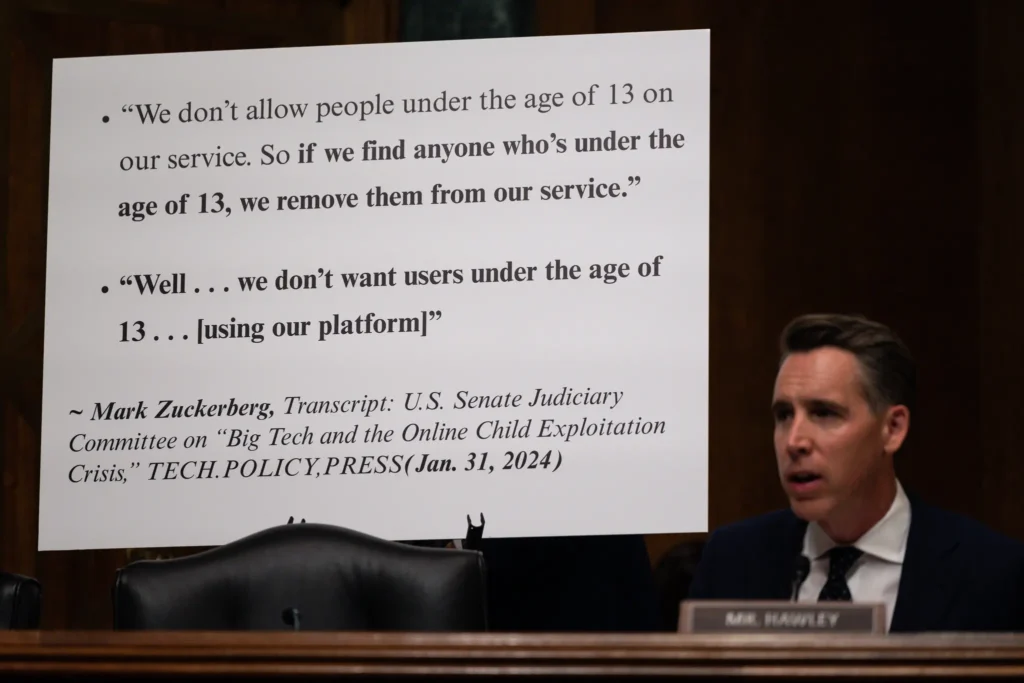
Technology companies are under increasing pressure to address AI-related risks for children.
Some platforms are experimenting with safety measures such as:
- labeling AI-generated content
- restricting certain AI features for younger users
- improving automated moderation systems
- implementing stronger identity verification tools
However, critics argue that these efforts often lag behind the rapid pace of AI development.
The Role of Governments and Regulation
Governments around the world are beginning to explore regulations aimed at protecting children online.
Potential policy measures include:
- requiring transparency for AI-generated content
- strengthening privacy protections for minors
- regulating deepfake technologies
- imposing safety standards for social media platforms
Balancing innovation with child safety is becoming a major focus for policymakers.
The Future of AI and Childhood
Artificial intelligence will likely continue shaping how young people interact with the internet.
Future developments may include:
- AI companions designed specifically for children
- personalized educational content on social platforms
- advanced parental monitoring tools
- stronger content moderation powered by AI itself
The challenge will be ensuring that these technologies support healthy development rather than undermining it.
Frequently Asked Questions (FAQ)
Q: Why are parents concerned about AI on social media?
AI can generate convincing fake content, scams and deepfakes that may be difficult for children to recognize.
Q: What are deepfakes?
Deepfakes are AI-generated videos or images that make it appear someone said or did something they never actually did.
Q: Are social media companies regulating AI content?
Some platforms are introducing labeling systems and safety features, but policies are still evolving.
Q: How can parents protect their children online?
Teaching digital literacy, monitoring platform use and discussing online safety are key strategies.
Q: Can AI chatbots interact safely with children?
They can provide helpful information, but they may also produce inaccurate responses or encourage excessive engagement.
Q: Should children avoid AI tools entirely?
Not necessarily. Learning how AI works can help children use technology responsibly.
Q: Will AI make social media safer or more dangerous?
It could do both. AI can improve content moderation but also enables new forms of manipulation and misinformation.

Conclusion
Artificial intelligence is transforming social media faster than many families can keep up with.
For children growing up in this new digital landscape, the line between human and machine-generated content is becoming increasingly blurred.
Protecting young users will require collaboration between parents, educators, technology companies and governments. More importantly, it will require helping children develop the critical thinking skills needed to navigate a world where not everything they see online is real.
In the age of AI, digital safety is no longer just about managing screen time—it is about understanding the technology shaping the internet itself.
Sources The New York Times