
In 2025, a powerful shift is unfolding in global markets: green energy stocks are emerging as some of the strongest performers of the year. What’s driving this surge isn’t just climate ambition or sustainability branding — it’s the explosive growth of artificial intelligence, cloud computing, and data-heavy technologies that are dramatically increasing global electricity demand.
As AI data centers, electric vehicles, and digital infrastructure consume unprecedented amounts of power, investors are increasingly backing renewable energy producers, grid infrastructure companies, and clean-tech innovators positioned to supply the electricity of the future.
This article explores why green stocks are outperforming, which segments are benefiting most, what risks remain, and how this trend could shape markets for years to come.
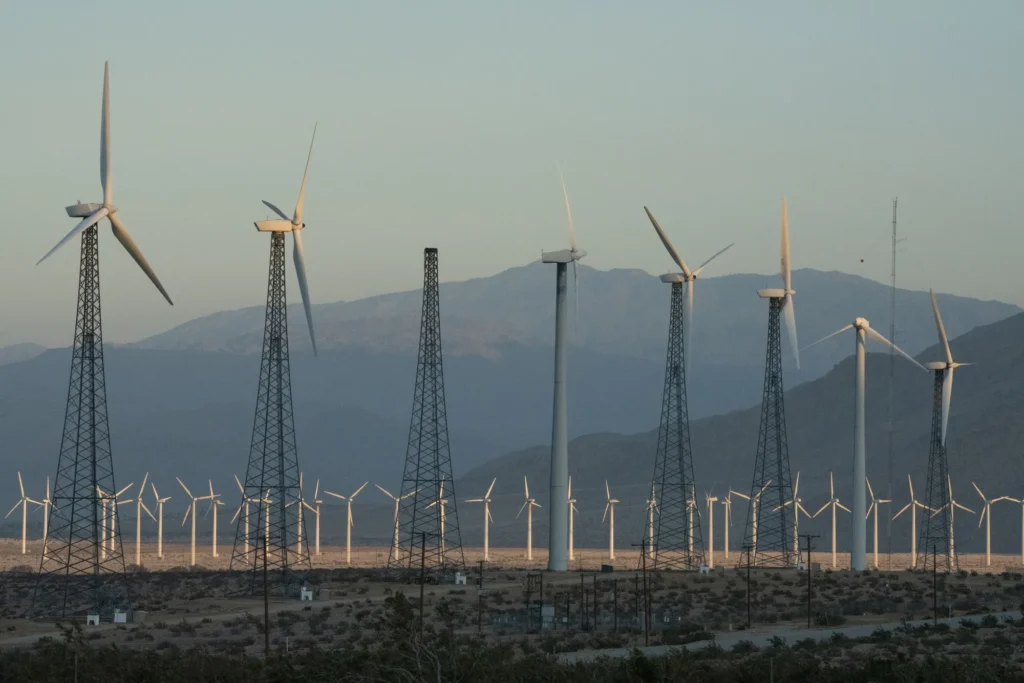
Why Green Stocks Are Outperforming in 2025
1. AI Is Creating a Massive New Energy Appetite
Artificial intelligence isn’t just software — it’s infrastructure. Training and running large AI models requires enormous computing power, and that power demand is rising faster than many energy forecasts anticipated. Data centers now rival entire cities in electricity usage, pushing utilities and energy producers to expand capacity quickly.
Clean energy companies are well-positioned because:
- new data centers often seek renewable power contracts
- tech firms face pressure to meet sustainability targets
- renewable generation can scale faster than traditional plants
2. Clean Energy Is Beating Broader Market Benchmarks
Clean energy indexes and renewable-focused stocks have outpaced many traditional market benchmarks in 2025. This marks a reversal from earlier years when green stocks lagged amid rising interest rates and supply-chain issues.
The difference now: energy demand growth is structural, not cyclical.
The Bigger Forces Powering the Rally
A. Electrification Beyond AI
AI is only part of the story. Electricity demand is also rising due to:
- electric vehicles
- heat pumps and building electrification
- industrial automation
- digital services expansion
Together, these trends are creating a long-term growth runway for power generation and grid investment.
B. Renewables Are Now Cost-Competitive
Solar, wind, and battery storage costs have continued to fall. In many regions, new renewable projects are cheaper than fossil fuel alternatives — even without subsidies. This makes green energy financially attractive, not just environmentally responsible.
C. Investors Are Rotating Toward “Real Assets”
After years of tech-stock volatility, investors are showing renewed interest in:
- utilities
- infrastructure
- energy systems
These businesses offer tangible assets, long project pipelines, and predictable cash flows — appealing traits in uncertain markets.
D. Energy Security Is Back on the Agenda
Geopolitical tensions and supply disruptions have made energy independence a priority. Renewables reduce reliance on imported fuels and help stabilize long-term power costs, making them strategically attractive to governments and corporations alike.
Which Green Energy Sectors Are Benefiting Most
1. Renewable Utilities
Companies that generate electricity from wind, solar, and hydro are central beneficiaries. Their long-term power contracts and regulated revenue models make them especially attractive during periods of market uncertainty.
2. Grid Infrastructure and Electrification
A growing power supply means nothing without delivery. Firms building transmission lines, substations, transformers, and smart grids are seeing strong demand as aging infrastructure struggles to handle higher loads.
3. Energy Storage and Batteries
Renewables are intermittent by nature. Battery and storage technologies are essential for balancing supply and demand, making this one of the fastest-growing segments in the clean energy ecosystem.
4. Distributed and Alternative Power Solutions
Fuel cells, microgrids, and on-site generation systems are gaining attention — especially for data centers and industrial users seeking reliable, low-carbon power sources.

What the Headlines Often Miss
Green Stocks Aren’t Just a Climate Bet
In 2025, clean energy investing is less about ethics and more about infrastructure necessity. Power demand is rising whether governments hit climate targets or not — and renewables are the fastest, most scalable option.
Not All Green Stocks Are Equal
Some companies have surged on hype alone. Others face:
- permitting delays
- grid connection bottlenecks
- supply chain constraints
- overextended balance sheets
Selective investing matters more than ever.
The Grid Is the Real Bottleneck
Even with ample renewable generation, outdated grids can slow progress. That’s why grid technology may ultimately outperform power generation itself.
Risks Investors Should Watch
1. Valuation Pressure
Rapid price gains raise the risk of corrections, especially if earnings fail to match expectations.
2. Policy Shifts
Renewables benefit from supportive regulation. Political changes can introduce uncertainty, particularly in markets dependent on incentives.
3. Infrastructure Delays
Permitting, land access, and grid upgrades can slow deployment timelines and affect returns.
4. Interest Rate Sensitivity
Energy projects are capital-intensive. Higher borrowing costs can pressure margins, even with strong demand.
Where Green Stocks Fit in a Portfolio
For many investors, green energy now represents:
- a long-term growth theme
- exposure to infrastructure and utilities
- diversification away from pure tech risk
Access can come through:
- individual stocks
- clean-energy ETFs
- infrastructure funds
- sustainability-focused portfolios
The key is patience and diversification.
Frequently Asked Questions
Why are green stocks rising now?
Because electricity demand is surging, driven by AI, electrification, and digital infrastructure — not just climate policy.
Is AI really affecting energy markets that much?
Yes. Data centers consume enormous power, and demand is accelerating rapidly.
Are renewables profitable without subsidies?
In many regions, yes. Falling costs have made solar and wind competitive on their own.
Are green stocks safe investments?
They carry risks like any sector, especially after sharp rallies. Long-term fundamentals are strong, but volatility remains.
Which areas offer the most opportunity?
Grid infrastructure, energy storage, and large-scale renewable utilities are seen as particularly critical.
Could fossil fuel companies benefit too?
Some may, especially those pivoting toward gas or low-carbon solutions, but renewables are capturing most of the growth narrative.
Is this a short-term trend?
Most analysts see this as a multi-year structural shift, not a temporary rally.

Final Thoughts
The defining investment story of 2025 isn’t just artificial intelligence — it’s who powers it.
As AI, electrification, and digital services drive unprecedented energy demand, green stocks are no longer niche or idealistic investments. They are becoming core infrastructure plays at the heart of the modern economy.
The clean energy transition isn’t happening after the tech boom.
It’s happening because of it.
For investors, that makes green energy not just a moral choice — but a strategic one.
Sources Bloomberg