
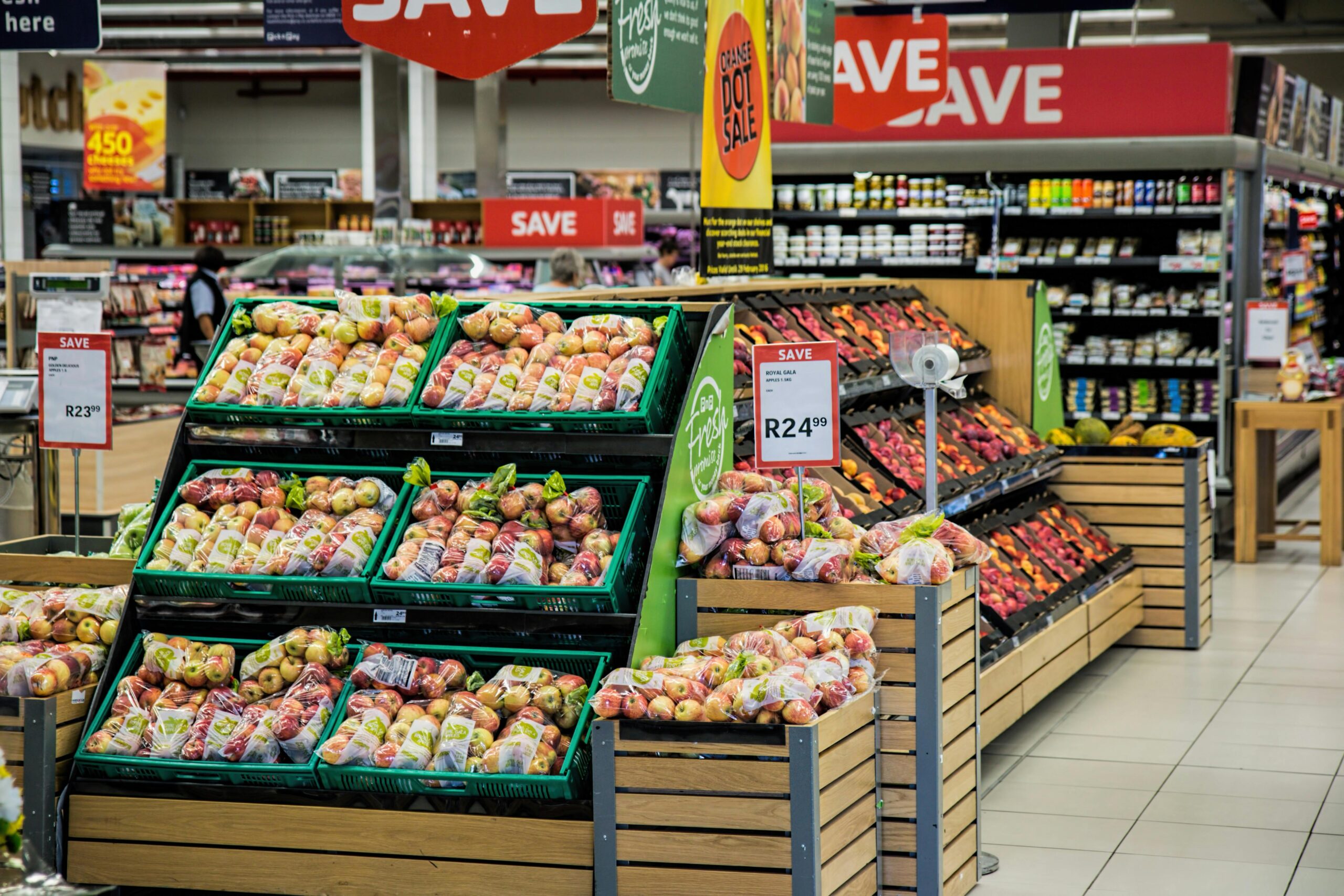
Imagine walking into a grocery store…
And the price you see isn’t the same as the person next to you.
Not because of a sale.
Not because of a coupon.
But because of you.
Your data. Your habits. Your behavior.
This isn’t science fiction anymore.
It’s the growing reality of surveillance pricing—and it’s starting to reshape how everyday essentials like groceries are priced.
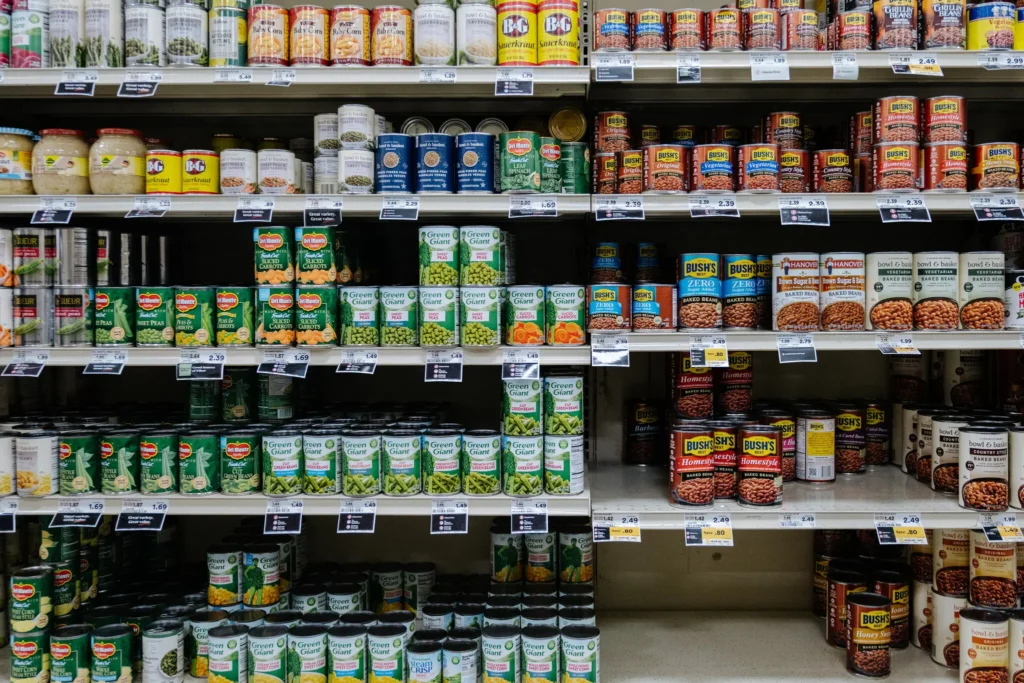
What Is Surveillance Pricing?
Surveillance pricing uses data to adjust prices based on individual customers.
Retailers analyze:
- Purchase history
- Location
- Shopping patterns
- Online behavior
- Loyalty program data
Then, prices can be:
- Customized
- Adjusted in real time
- Targeted to specific individuals
Why Grocery Stores Are Exploring It
Grocery stores operate on thin profit margins.
To stay competitive, they are turning to:
Data-driven pricing strategies powered by AI
1. Maximizing Revenue
If a system predicts:
- You’re willing to pay more
It may:
- Show higher prices
- Offer fewer discounts
2. Competing More Precisely
Instead of broad discounts, stores can:
- Target specific customers
- Personalize promotions
3. Reducing Waste
Dynamic pricing can:
- Lower prices for items nearing expiration
- Adjust demand in real time
How It Works Behind the Scenes
Surveillance pricing relies on a combination of technologies:
1. AI Algorithms
Analyze massive datasets to predict:
- Buying behavior
- Price sensitivity
2. Digital Price Tags
Electronic shelf labels allow:
- Instant price changes
- Real-time updates
3. Loyalty Programs
These provide detailed insights into:
- Individual shopping habits
- Frequency and preferences
4. Online Tracking
Retailers may also use:
- App activity
- Website behavior
- Location data
Why Maryland (and Others) Are Paying Attention
Concerns around surveillance pricing are growing.
Some lawmakers are questioning:
- Is this fair?
- Is it transparent?
- Should it be regulated?
Maryland has become a focal point in discussions about:
Protecting consumers from data-driven price discrimination
The Core Concern: Fairness
At the heart of the debate is a simple question:
Should two people pay different prices for the same item?
Supporters say:
- It’s just smarter pricing
Critics argue:
- It creates inequality
- It exploits consumer data
The Privacy Problem
Surveillance pricing depends on data.
Lots of it.
This raises concerns about:
- How data is collected
- Who has access to it
- How it’s used
Many consumers don’t realize:
Their shopping behavior is being analyzed this deeply
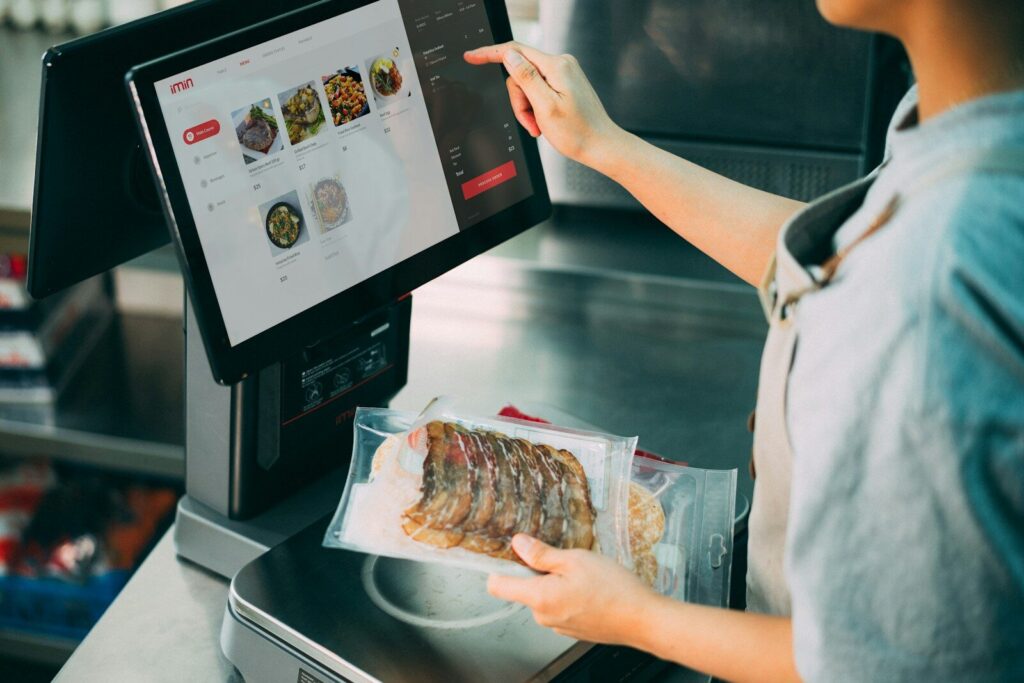
The Risk of Price Discrimination
AI could unintentionally—or intentionally—create pricing differences based on:
- Income level
- Neighborhood
- Shopping habits
This could lead to:
- Higher prices for certain groups
- Reduced access to discounts
Are We Already Seeing This?
In some forms, yes.
Examples include:
- Personalized coupons
- Online dynamic pricing
- App-exclusive deals
Surveillance pricing is:
An evolution of these practices—just more advanced
The Business Perspective
From a retailer’s point of view, this approach offers:
Benefits:
- Higher efficiency
- Better targeting
- Increased profits
But it also carries risks:
- Customer backlash
- Regulatory action
- Loss of trust
The Consumer Perspective
For shoppers, the experience could become:
More Personalized:
- Relevant deals
- Tailored offers
But Also More Uncertain:
- Prices may vary
- Transparency decreases
- Trust becomes an issue
The Bigger Trend: Data-Driven Everything
Surveillance pricing is part of a larger shift:
Data is becoming the foundation of how businesses operate
From:
- Advertising
- Entertainment
- Finance
Now extending into:
- Everyday essentials like food
What Could Happen Next?
1. Increased Regulation
Governments may:
- Limit how data is used
- Require transparency
2. Consumer Pushback
Shoppers may demand:
- Fair pricing
- Clear policies
3. Industry Standards
Retailers may adopt:
- Ethical guidelines
- Transparent pricing practices
How Consumers Can Protect Themselves
While options are limited, you can:
- Be cautious with loyalty programs
- Review app permissions
- Compare prices across stores
- Stay informed
Frequently Asked Questions (FAQ)
1. What is surveillance pricing?
It’s a pricing strategy that uses personal data to adjust prices for individual customers.
2. Is this legal?
It depends on the region. Laws are still evolving.
3. Are grocery stores already doing this?
Some forms exist, but widespread implementation is still emerging.
4. How do stores get my data?
Through:
- Loyalty programs
- Apps
- Online activity
5. Is this the same as discounts or coupons?
Not exactly. Discounts are typically broad, while surveillance pricing is personalized.
6. Can I avoid it?
Partially—by limiting data sharing, but it’s difficult to avoid completely.
7. What’s the biggest takeaway?
Prices may no longer be fixed—
They may be tailored to you.
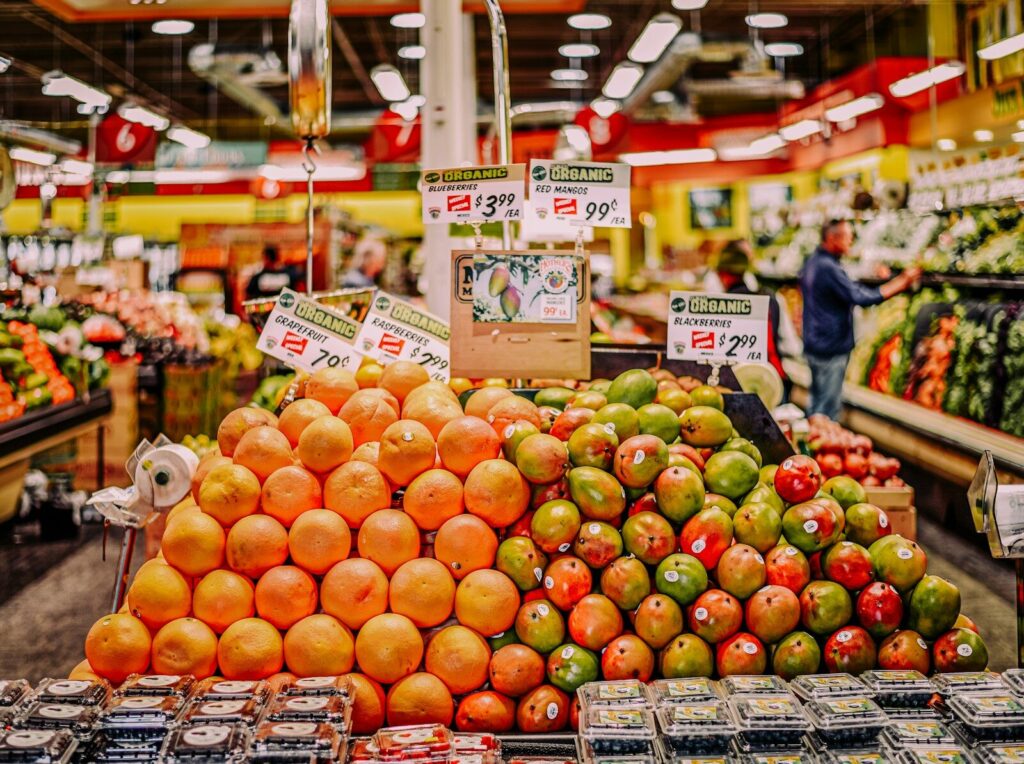
Final Thoughts
Surveillance pricing represents a major shift in how we think about everyday purchases.
What used to be simple:
- A price tag on a shelf
Is becoming:
- A dynamic, data-driven decision
And as AI continues to evolve, one question becomes more important than ever:
Should technology decide what you pay—or should pricing remain the same for everyone?
Sources The New York Times

