
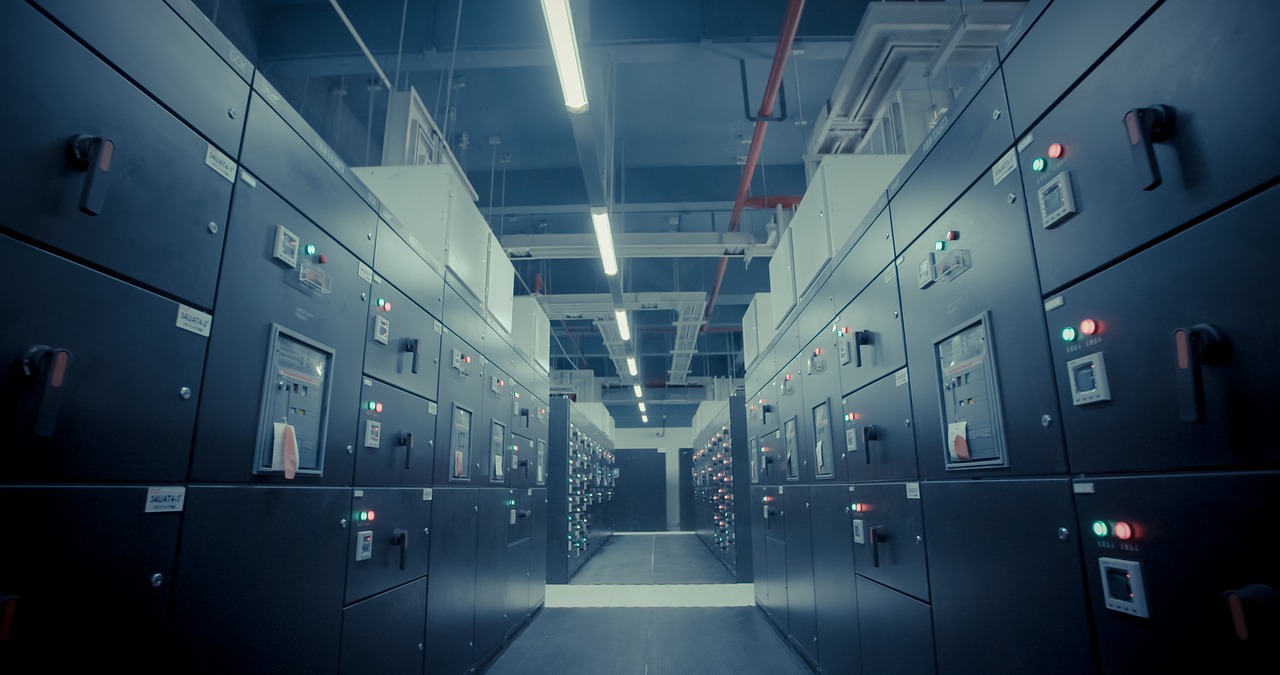
Artificial intelligence may feel invisible.
But behind every AI tool, chatbot, or smart system lies something very physical:
Massive data centers—powered by energy, infrastructure, and human labor.
And now, as AI demand explodes, a new tension is emerging:
Labor unions vs. the rapidly expanding AI infrastructure industry
This isn’t just about technology.
It’s about jobs, power, and who benefits from the AI boom.
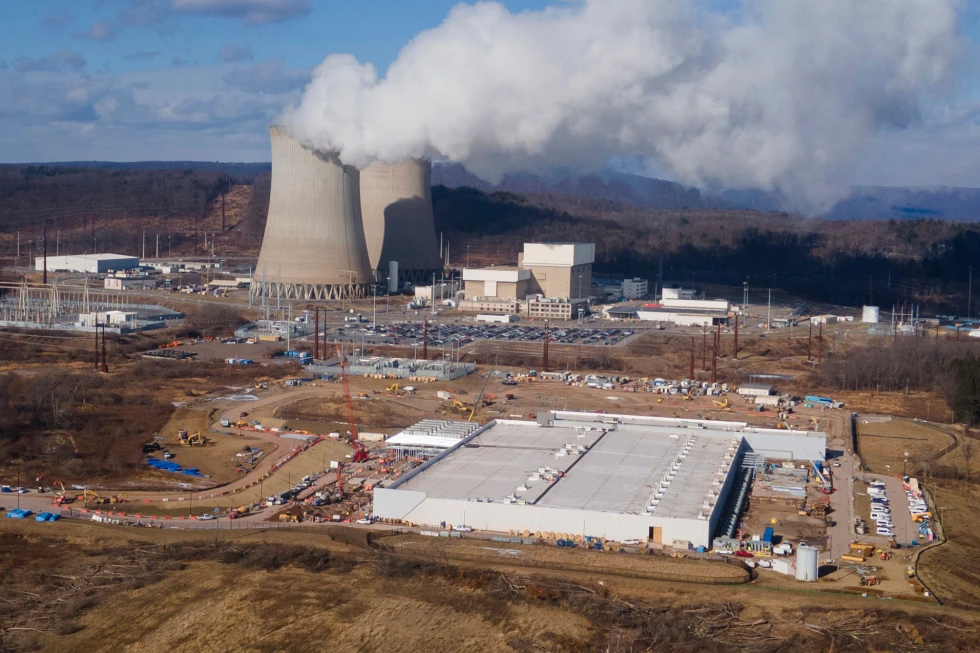
The Hidden Backbone of AI: Data Centers
AI systems don’t run in the cloud.
They run in:
- Warehouse-sized data centers
- Packed with servers and advanced chips
- Consuming enormous amounts of electricity
These facilities are:
The engine behind modern AI
Why Data Centers Are Expanding So Fast
1. Explosive AI Demand
AI applications require:
- Huge computing power
- Constant processing
- Scalable infrastructure
This leads to:
A surge in data center construction worldwide
2. Big Tech Investment
Companies like:
- Amazon
- Microsoft
Are investing billions into:
- Building new facilities
- Expanding existing ones
3. The AI Arms Race
Countries and companies are competing to:
- Build more capacity
- Secure faster systems
- Gain technological advantage
Where Labor Unions Enter the Picture
As data centers expand, so does the need for:
- Construction workers
- Electricians
- Maintenance staff
- Technical support
Labor unions are stepping in to:
Ensure these jobs are stable, well-paid, and protected
The Core Conflict: Speed vs. Worker Protections
Tech Companies Want:
- Fast construction
- Flexible labor
- Lower costs
Labor Unions Want:
- Fair wages
- Job security
- Safe working conditions
This creates tension:
How do you scale infrastructure quickly while protecting workers?
Why Unions Are Concerned
1. Temporary vs. Permanent Jobs
Many data center roles are:
- Short-term construction jobs
Unions argue:
Workers should benefit long-term from AI growth
2. Automation Risks
Ironically, AI infrastructure may:
- Reduce future labor needs
- Automate maintenance and operations
3. Working Conditions
Data center construction involves:
- Physically demanding work
- Safety risks
Unions push for:
- Strong protections
- Better oversight
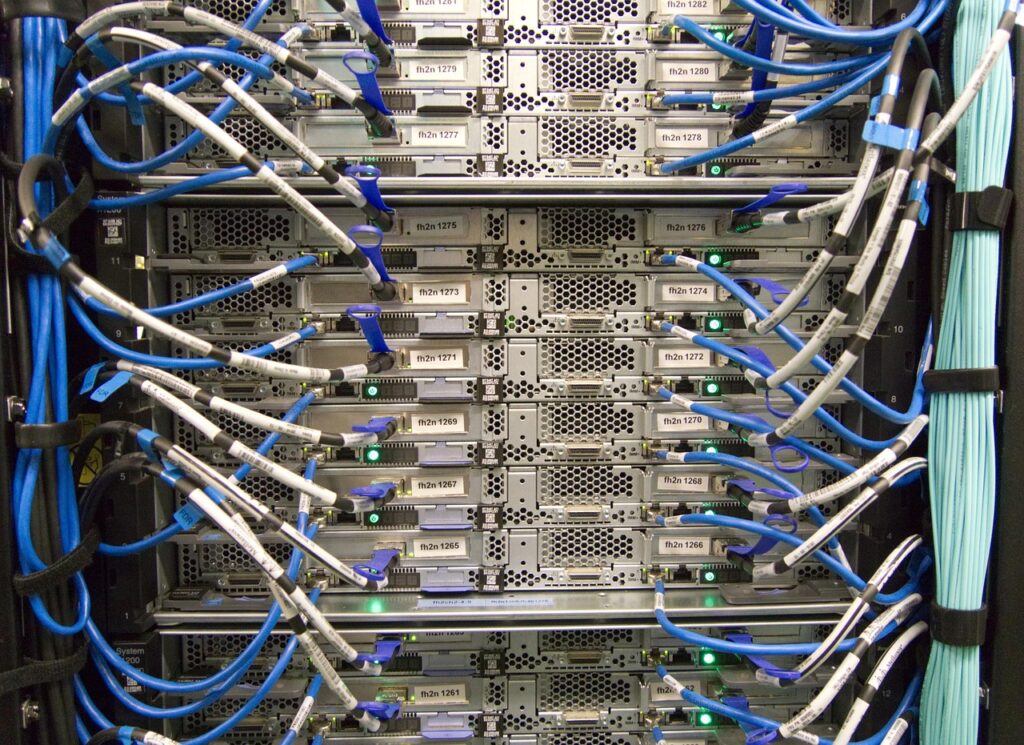
The Economic Stakes
This isn’t a small issue.
Data center expansion represents:
- Billions in investment
- Thousands of jobs
- Long-term economic impact
Communities hosting data centers may see:
Benefits:
- Job creation
- Infrastructure development
- Local investment
Challenges:
- Strain on energy resources
- Environmental concerns
- Uneven job distribution
The Energy Factor: A Growing Concern
AI data centers require massive electricity.
This raises issues like:
- Power grid strain
- Increased energy costs
- Environmental impact
Labor groups and communities are asking:
Who bears the cost of powering AI?
The Environmental Dimension
Data centers also impact:
- Water usage (for cooling)
- Carbon emissions
- Land use
This adds another layer to the debate:
Growth vs sustainability
The Bigger Picture: Who Wins the AI Economy?
At its core, this debate is about:
Distribution of value
As AI generates:
- Profits for companies
- Productivity gains
The question becomes:
- Do workers benefit equally?
- Or does value concentrate at the top?
Government’s Role
Policymakers are increasingly involved.
They may:
- Set labor standards
- Regulate data center development
- Offer incentives for fair practices
What This Means for the Future
The outcome of this tension could shape:
1. Job Quality in the AI Era
Will jobs be:
- Stable and well-paid?
Or: - Temporary and limited?
2. Speed of AI Expansion
Stronger labor protections could:
- Slow development
But:
- Improve long-term sustainability
3. Public Perception of AI
If workers feel excluded:
- Resistance to AI may grow
The Opportunity: A More Balanced AI Economy
If managed well, this moment could lead to:
- Better jobs
- Fairer wages
- Stronger communities
But it requires:
Collaboration between tech companies, workers, and policymakers
Frequently Asked Questions (FAQ)
1. What are AI data centers?
Large facilities that house servers and infrastructure needed to run AI systems.
2. Why are labor unions involved?
To ensure workers benefit from the growth of AI infrastructure.
3. What jobs do data centers create?
- Construction
- Maintenance
- Technical support
4. Are these jobs long-term?
Some are temporary, especially construction roles, which is a key concern.
5. How do data centers affect the environment?
They consume large amounts of:
- Energy
- Water
6. Who benefits most from AI infrastructure?
Currently, large tech companies—but the distribution of benefits is being debated.
7. What’s the biggest takeaway?
AI isn’t just digital—
It’s built on real-world labor, resources, and infrastructure—and those come with trade-offs.
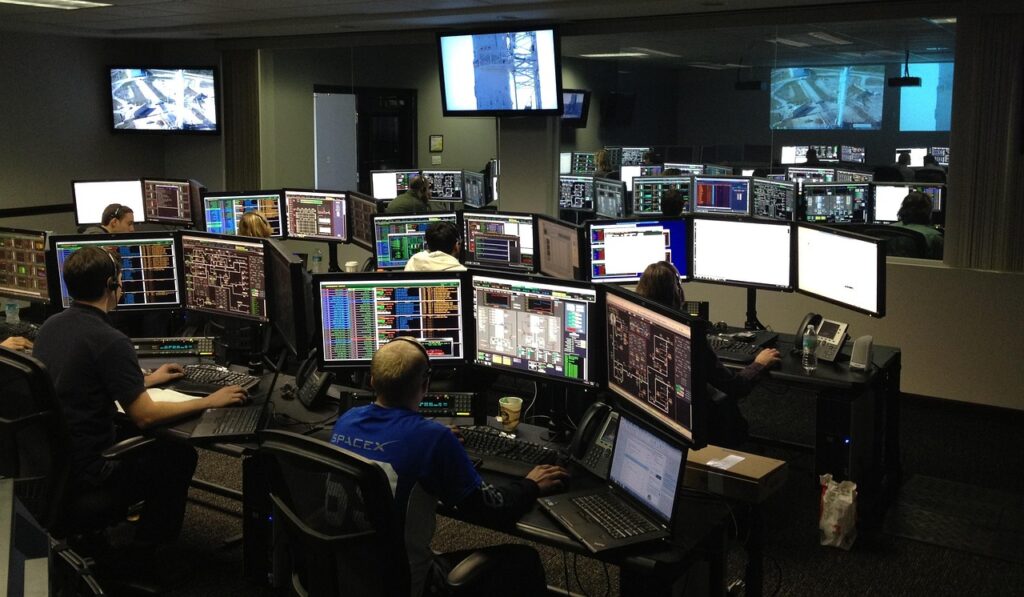
Final Thoughts
The AI revolution is often described in terms of algorithms and software.
But its foundation is physical.
- Buildings
- Power
- Workers
And as this foundation expands, so do the questions:
- Who builds it?
- Who benefits?
- And who decides the rules?
Because in the end:
The future of AI won’t just be shaped by technology—
It will be shaped by people, power, and priorities.
Sources AP News

